Click on any image to view in Browser full size. Click ‘Back’ button (<-) to return.
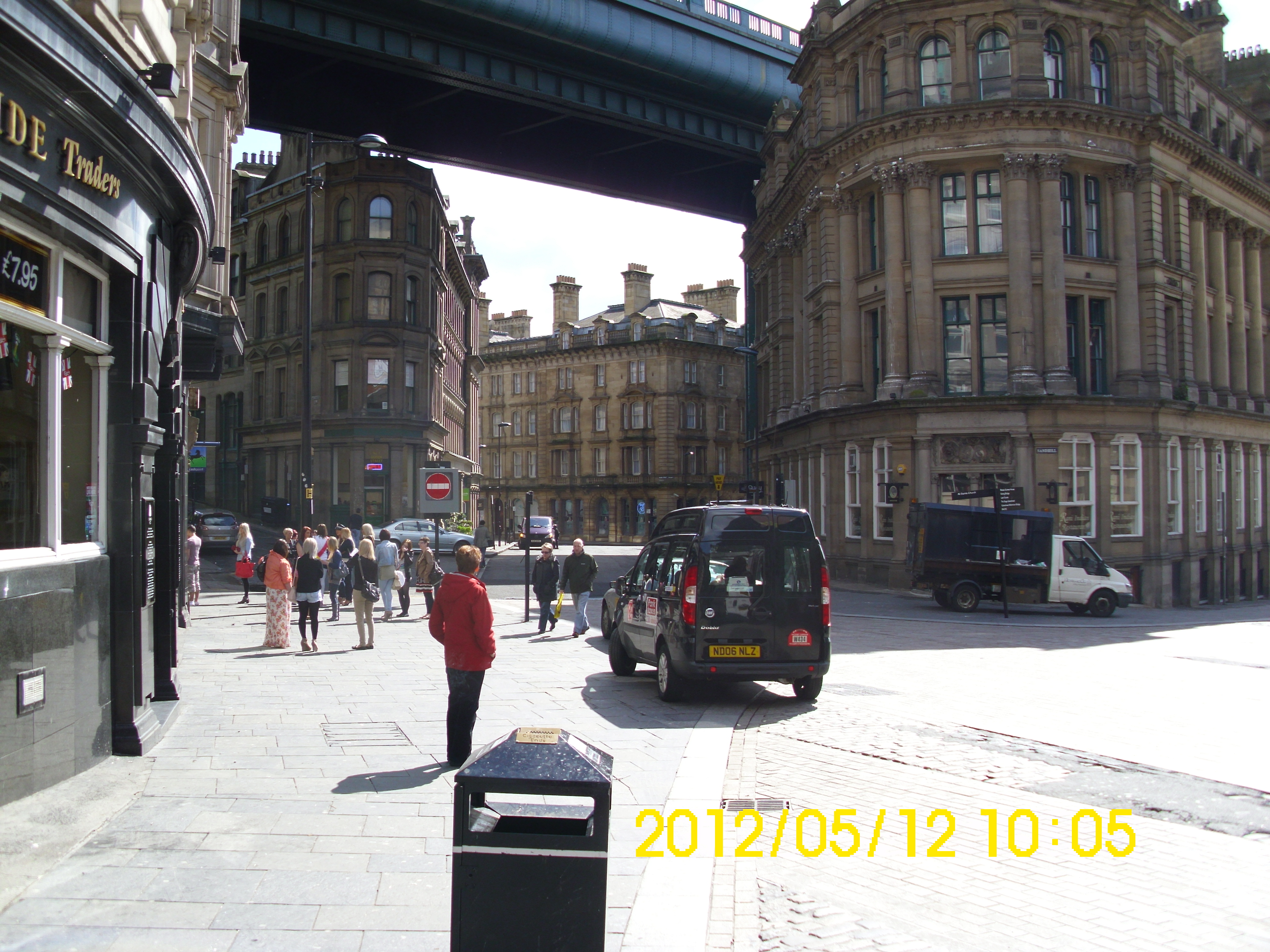
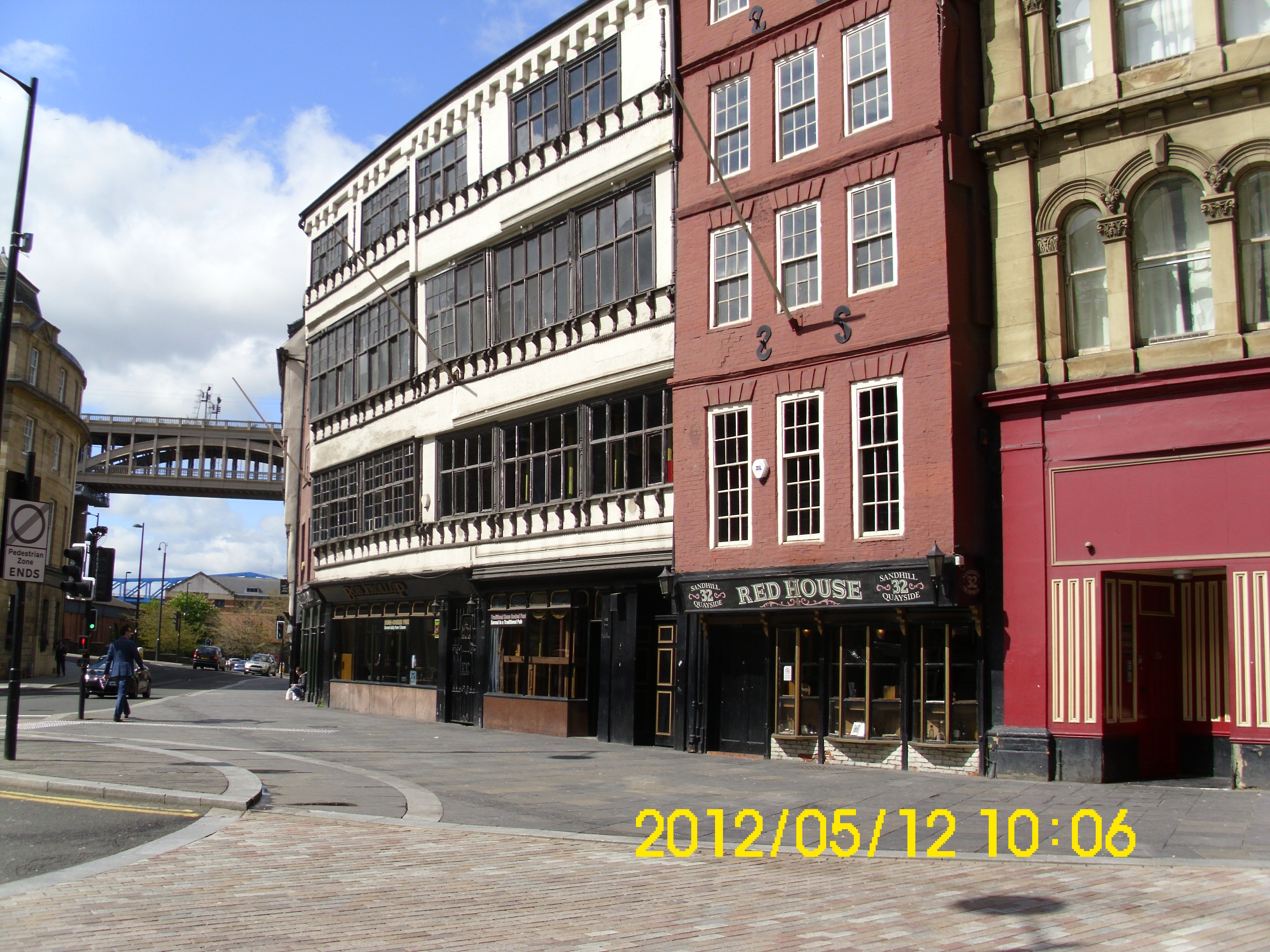
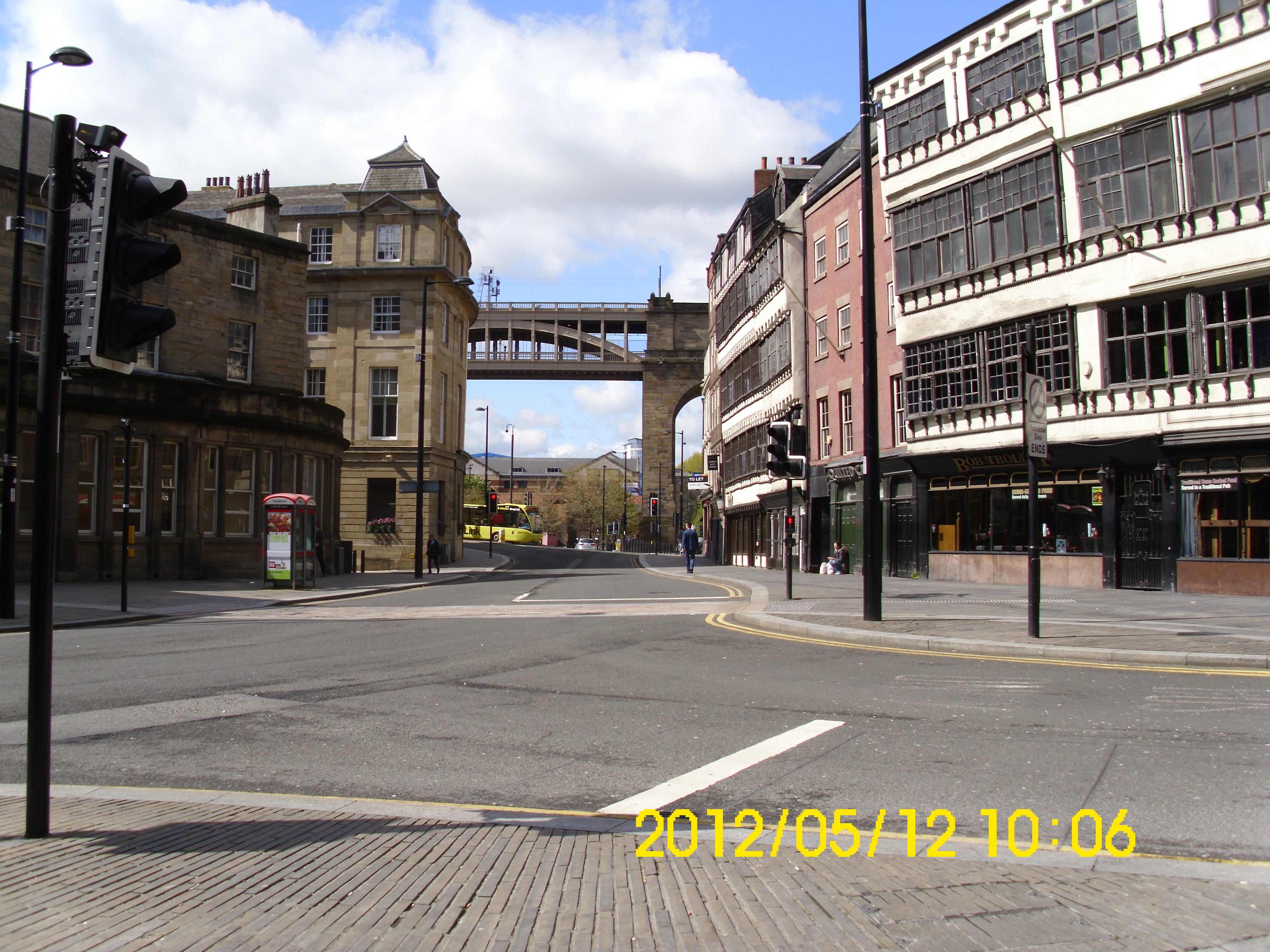
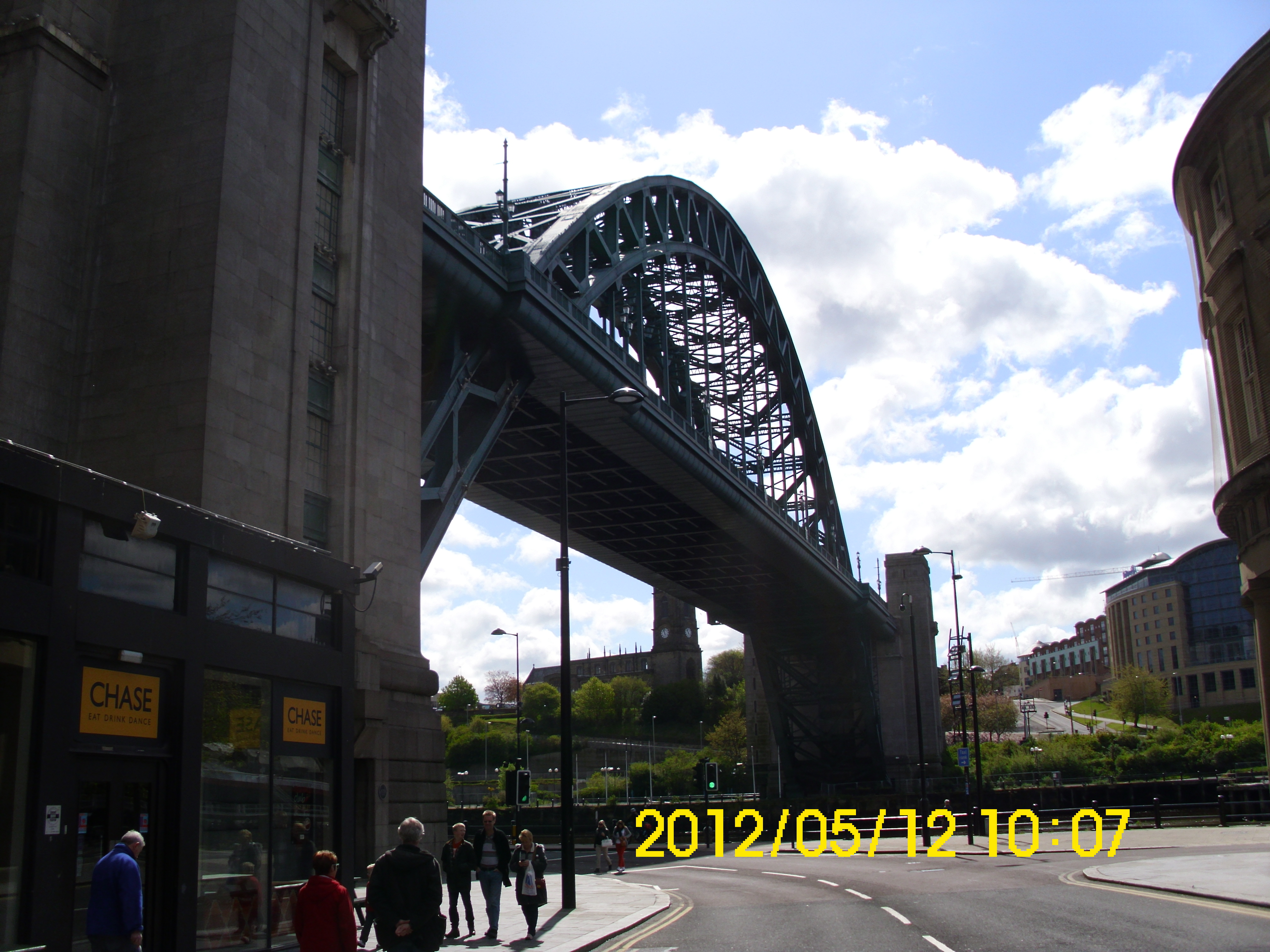
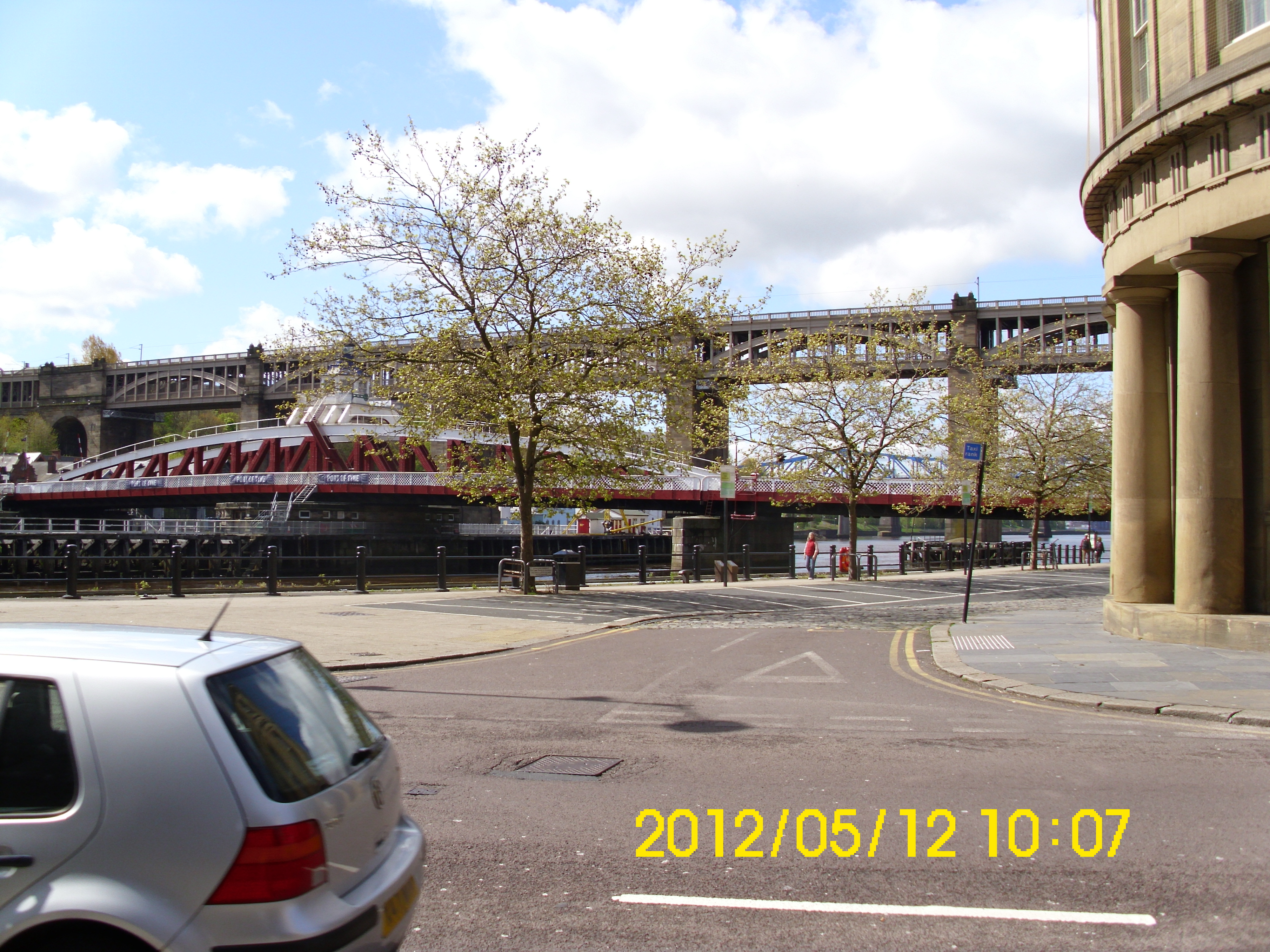
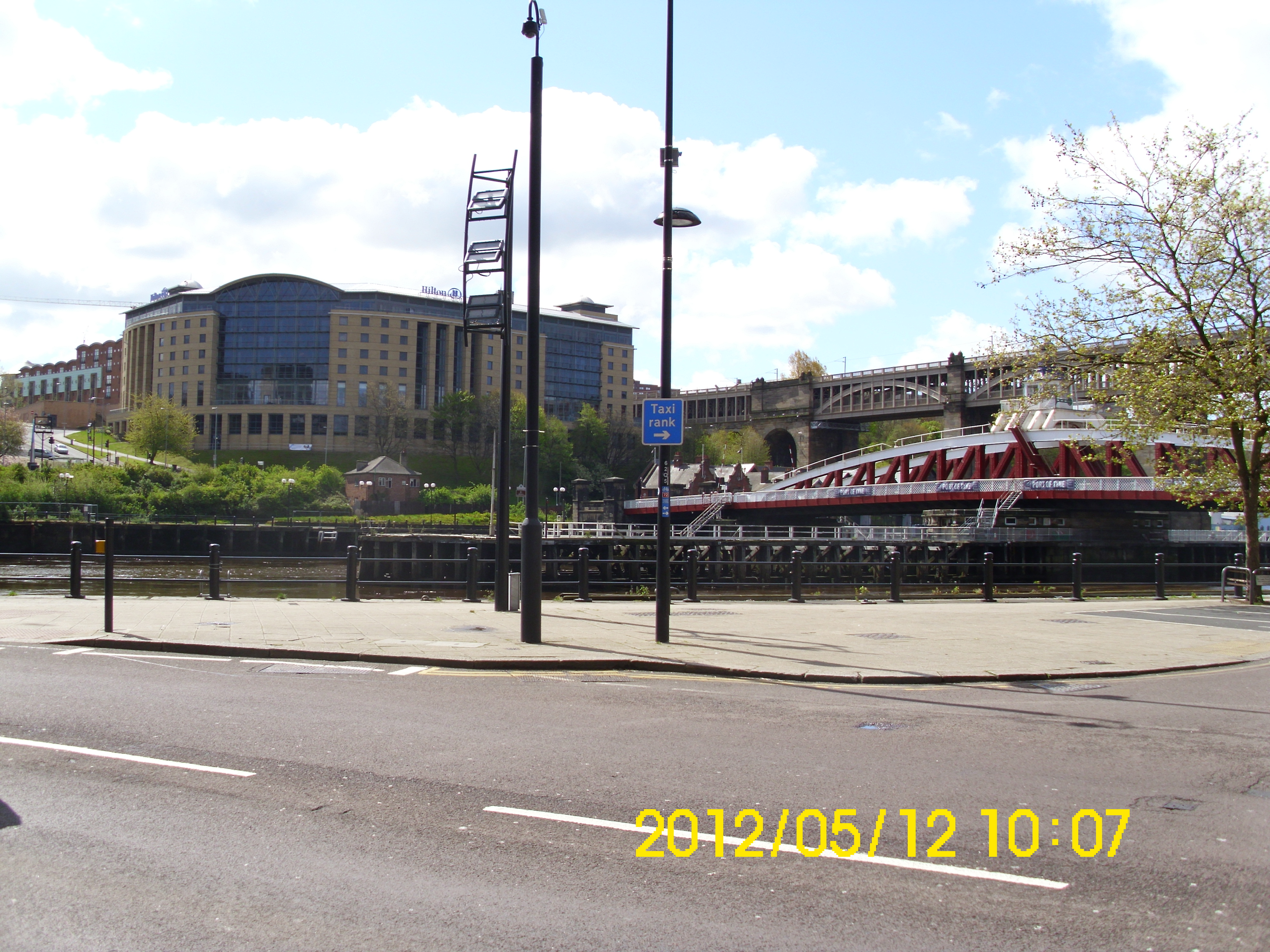
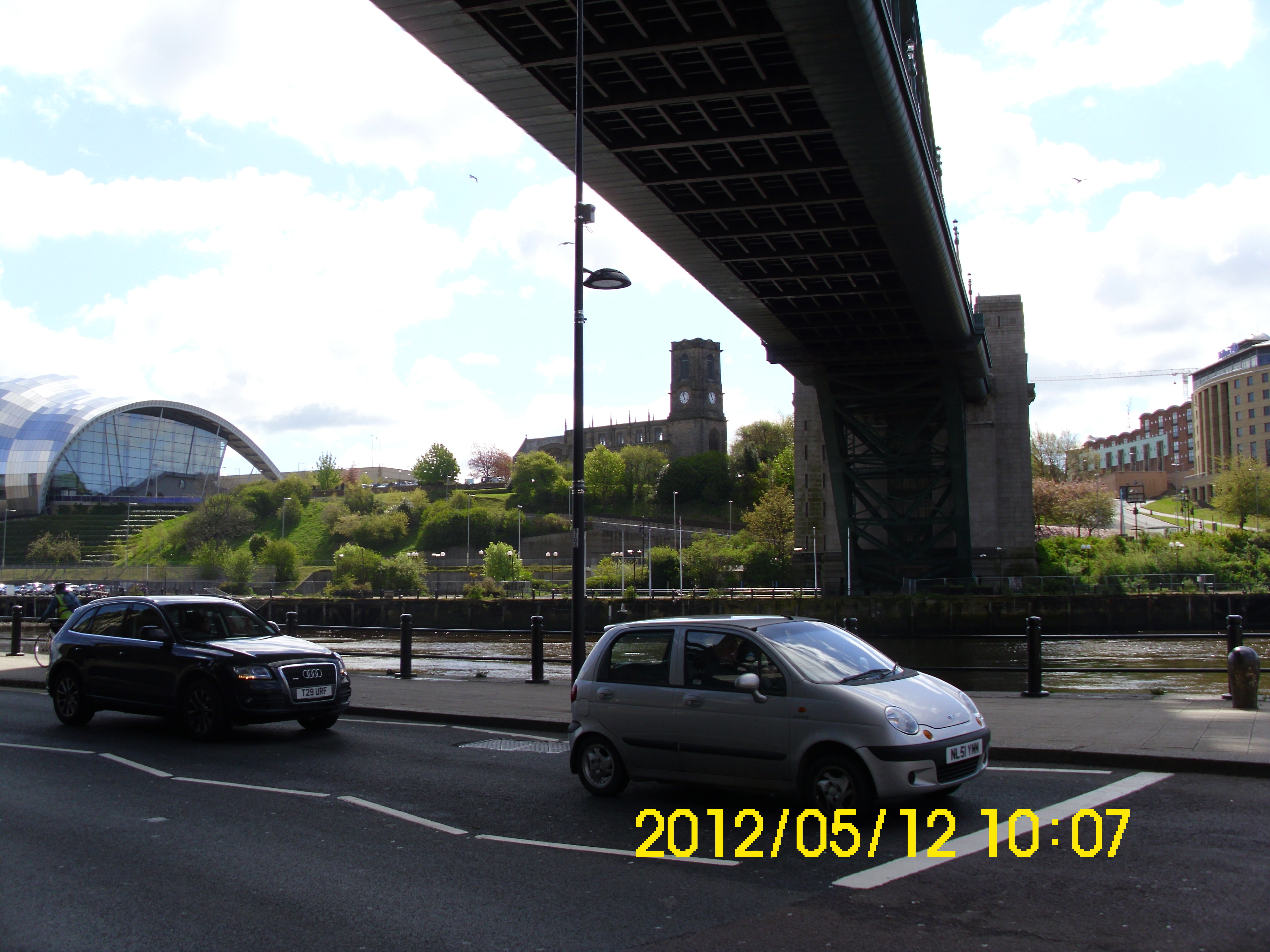
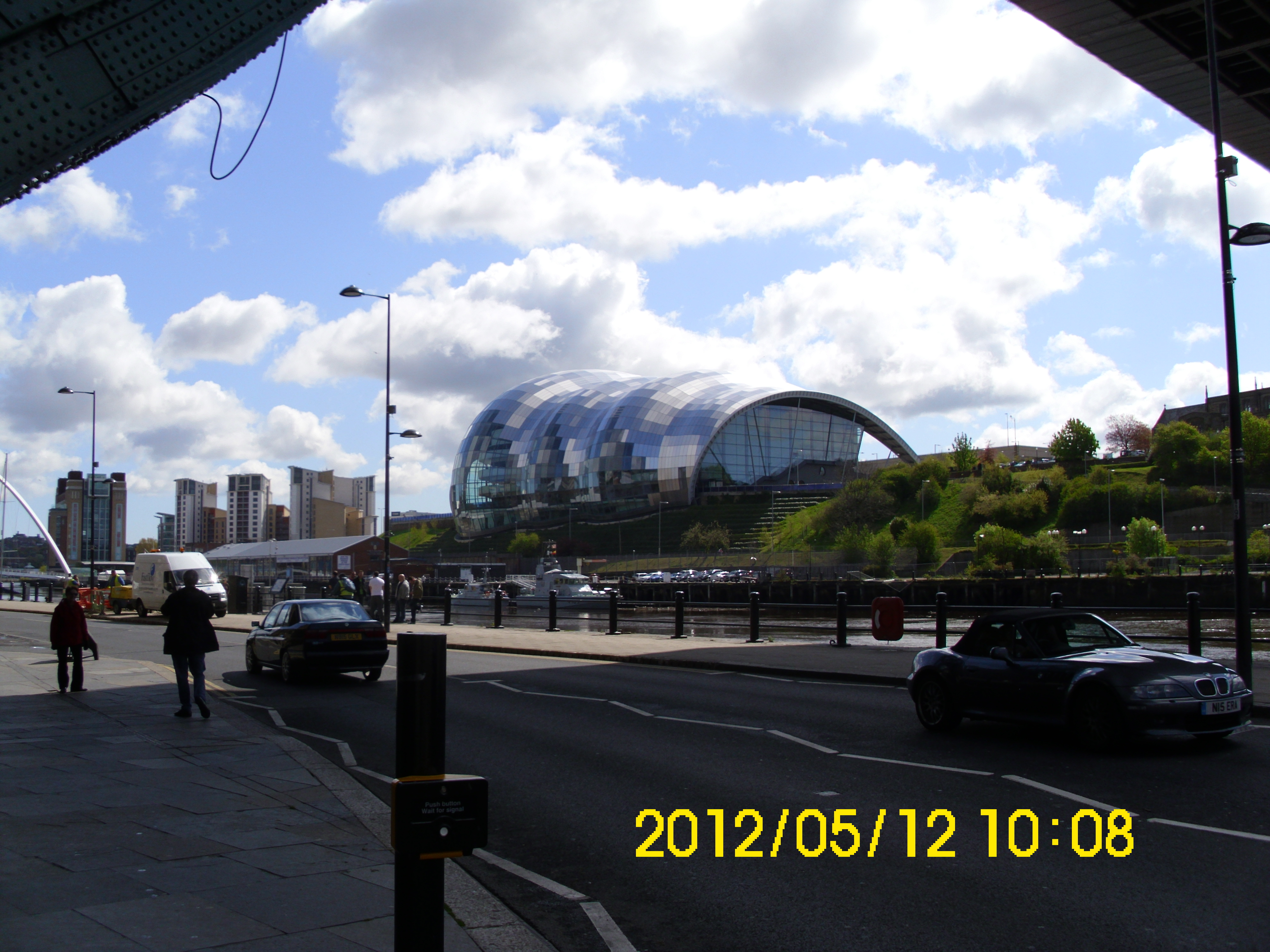
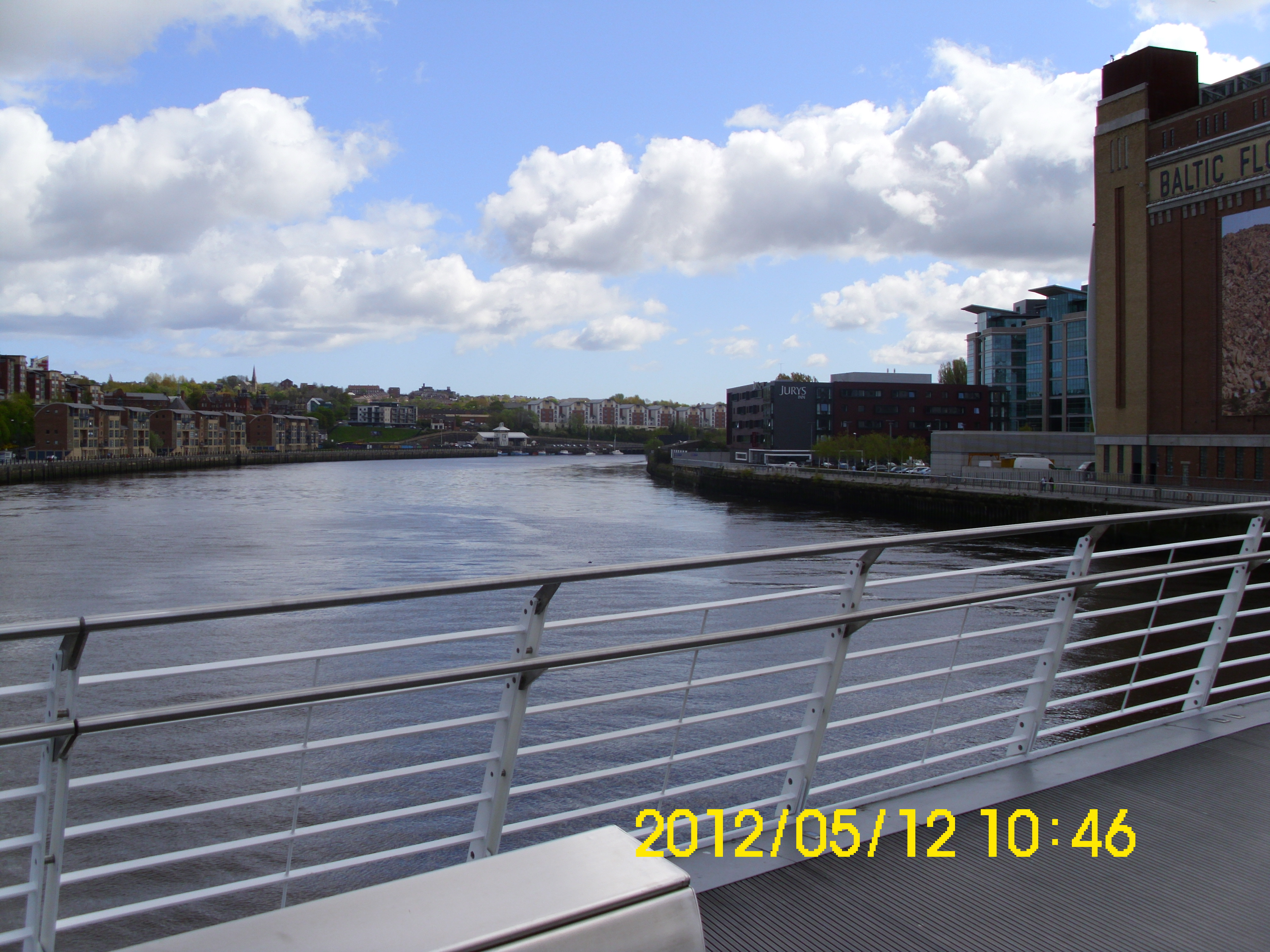
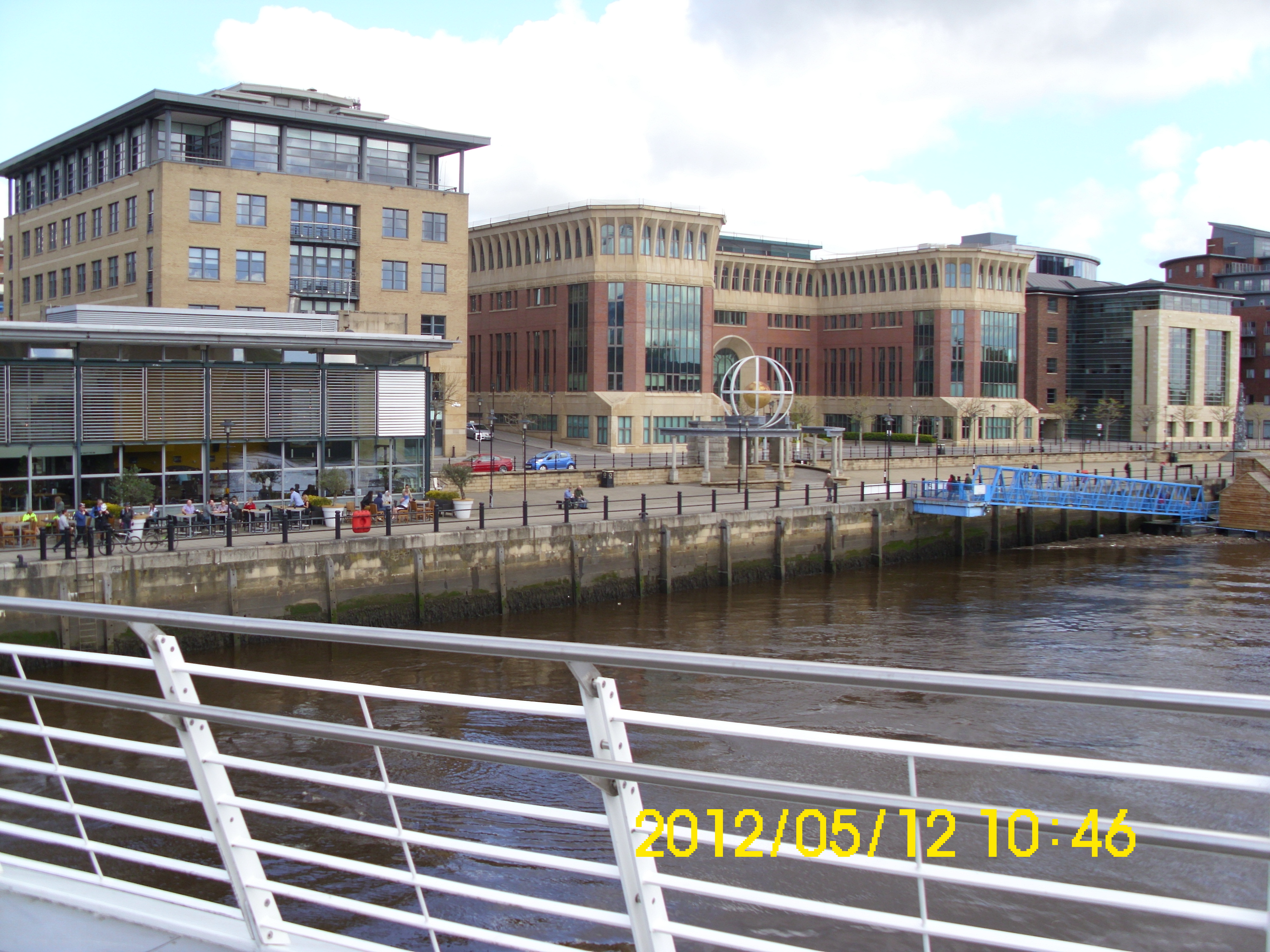
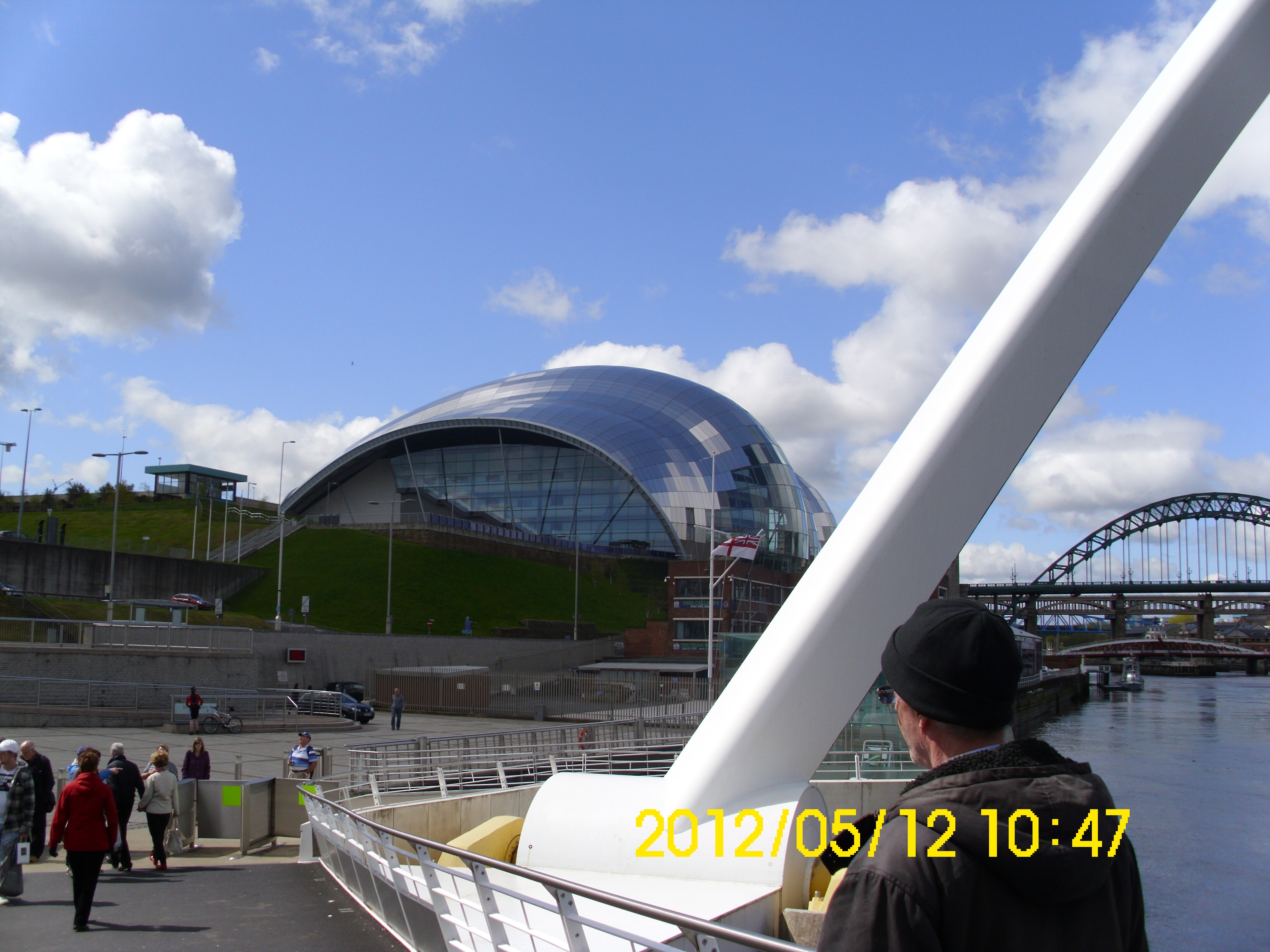
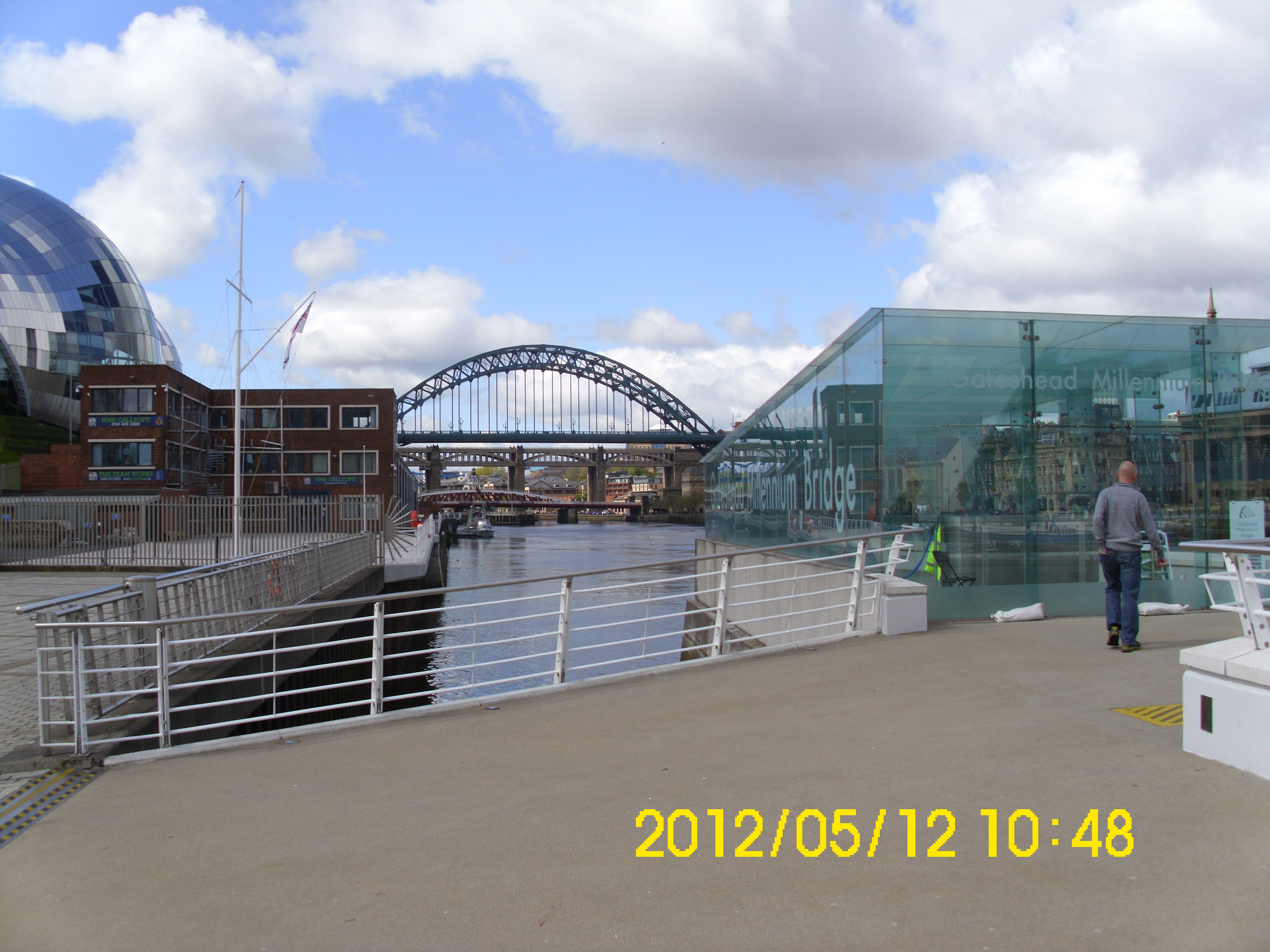
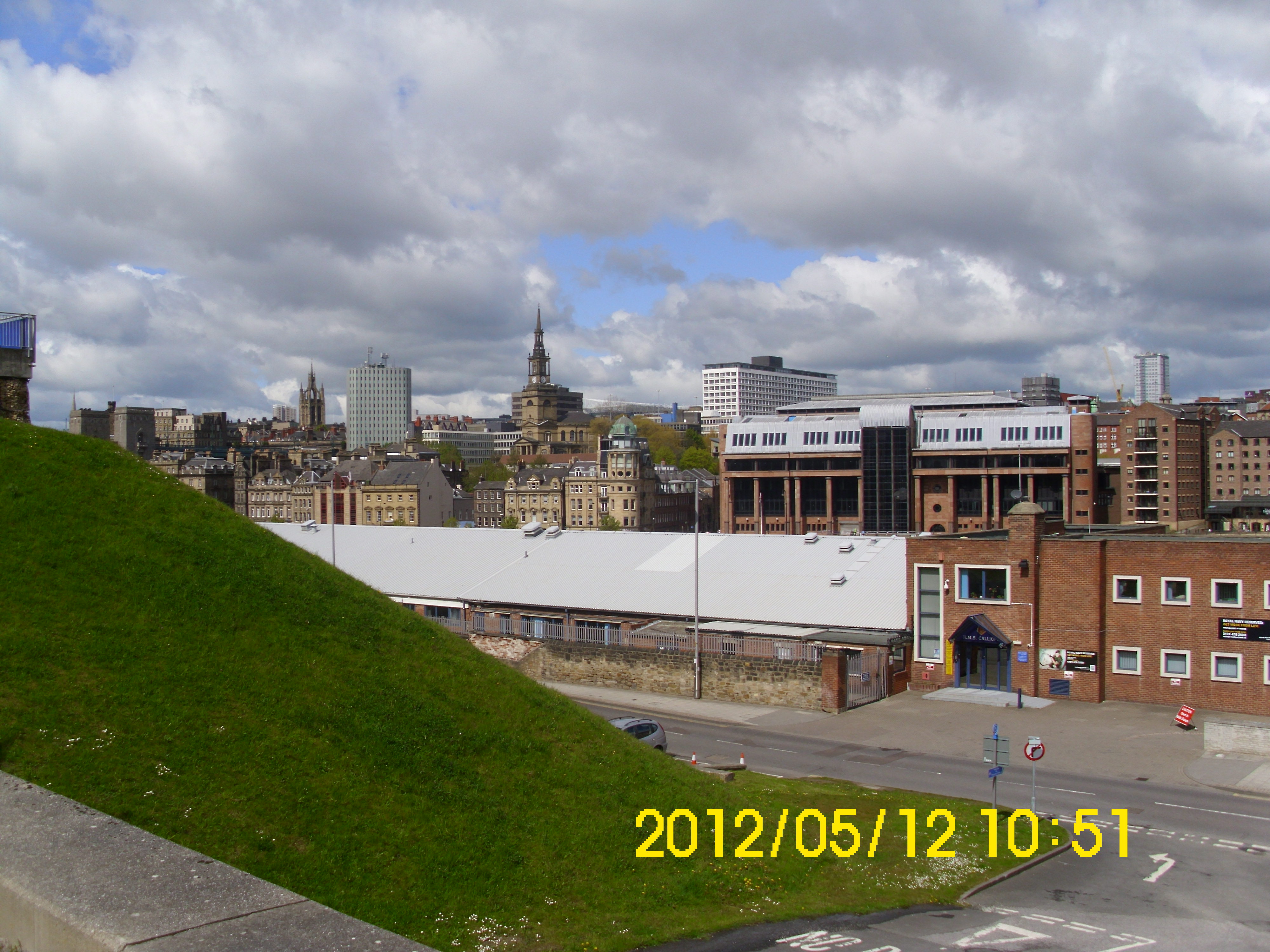
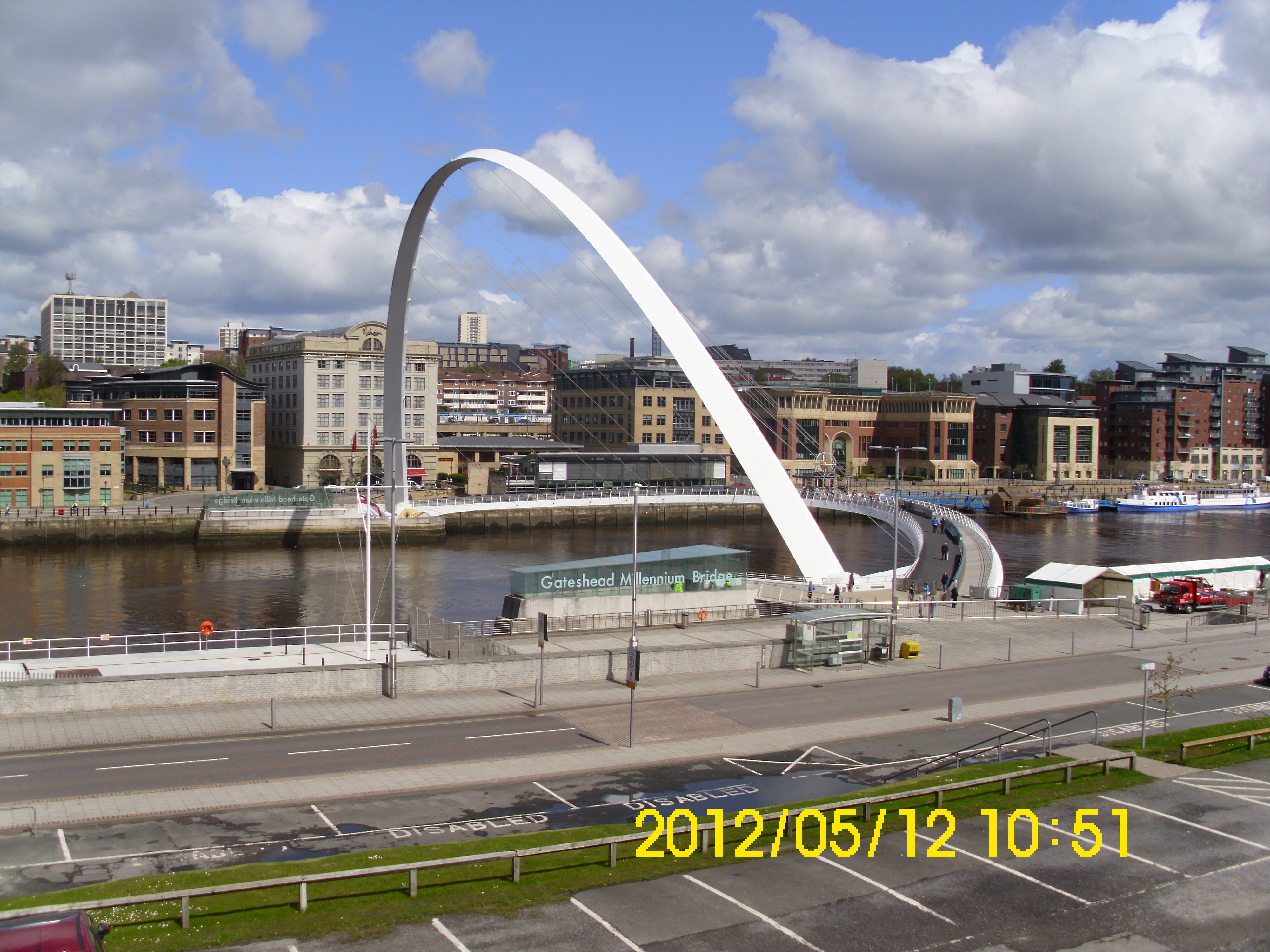
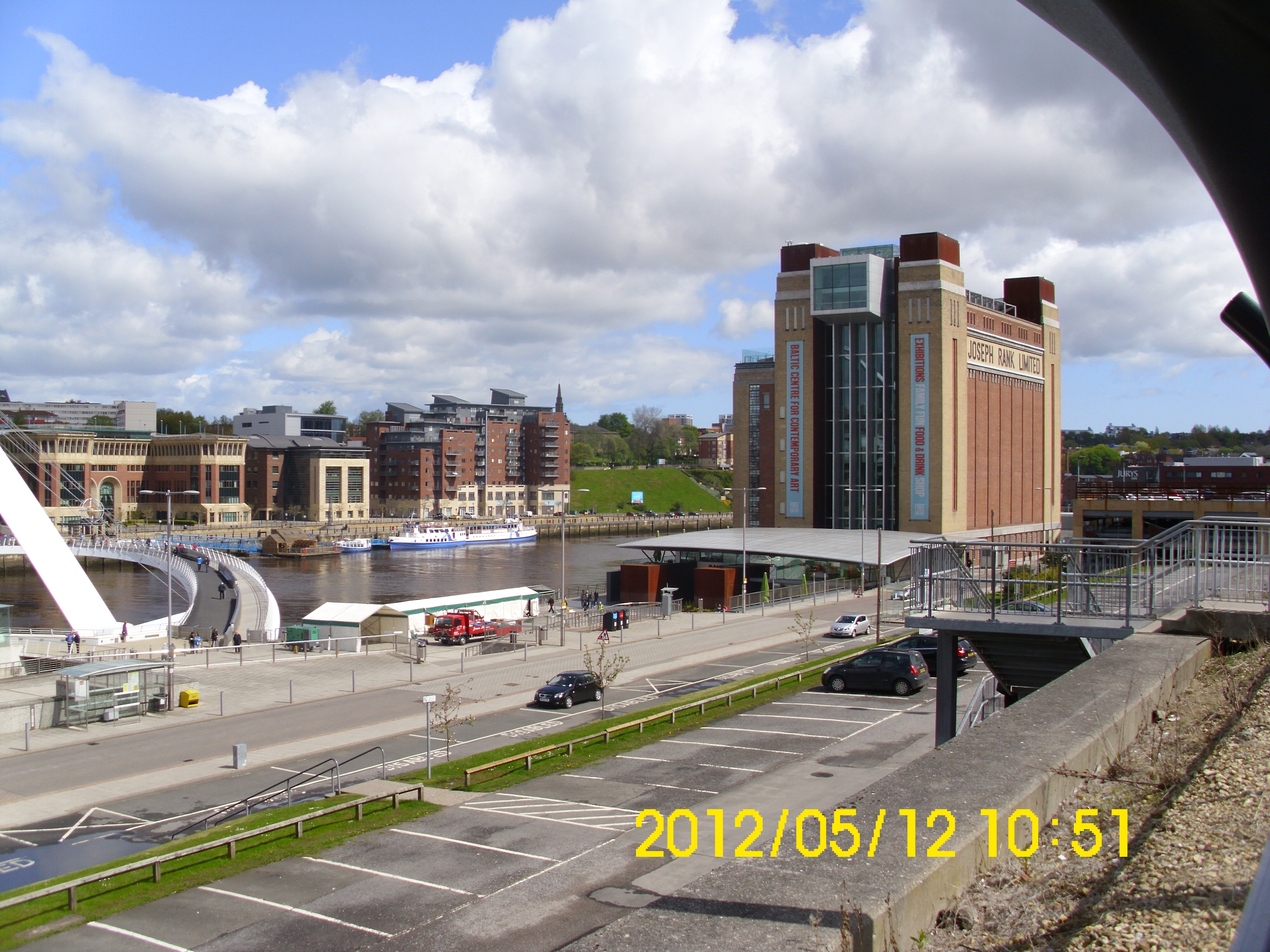
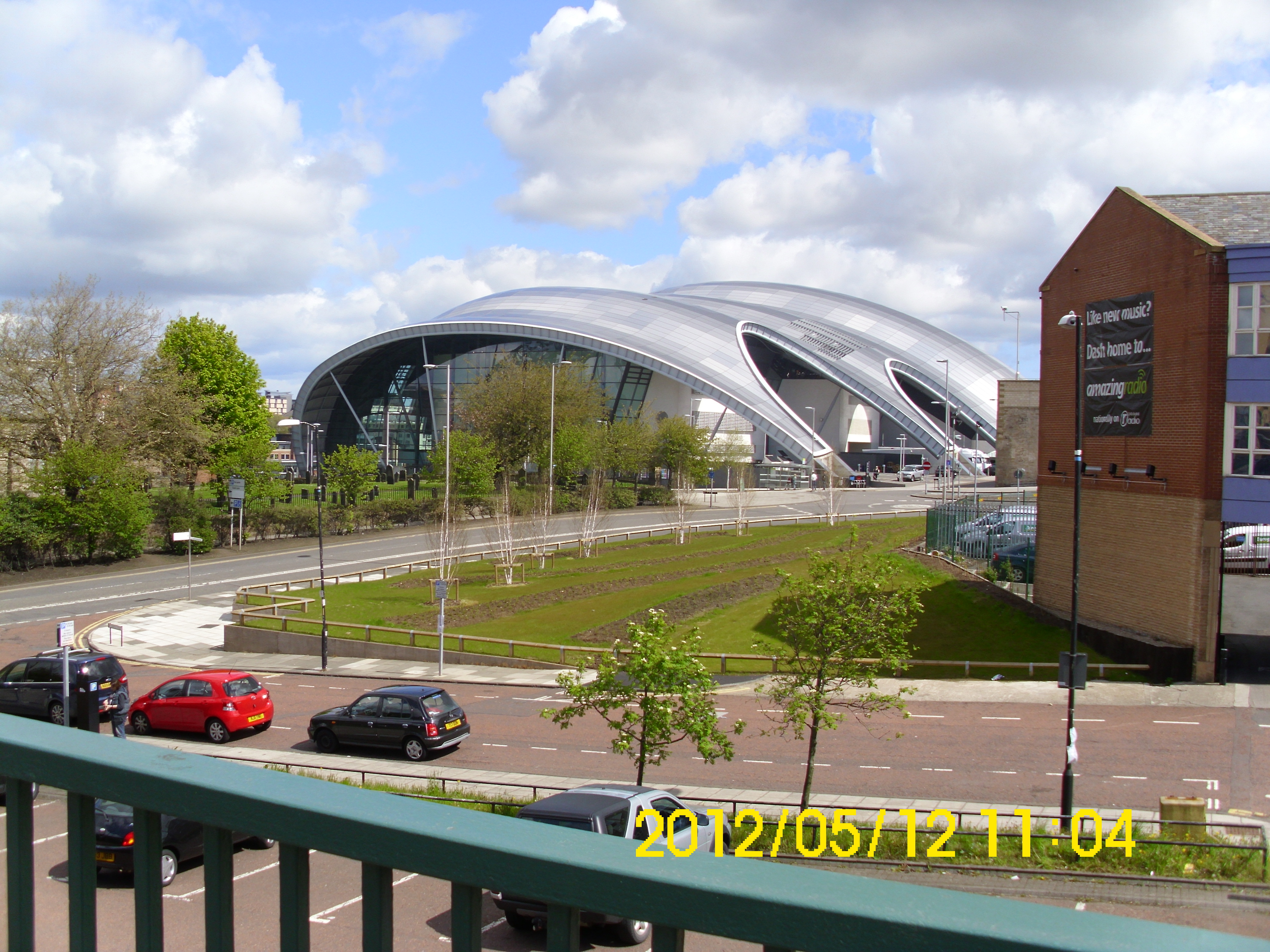
Click on any image to view in Browser full size. Click ‘Back’ button (<-) to return.
Qual o preço das culturas ‘de rendimento’ de eucalipto em Portugal?
Que o “verdadeiro” custo de transformar uma grande parte de Portugal numa monocultura NÃO é suportado pelos investidores capitalistas na produção de papel, é demasiado evidente.
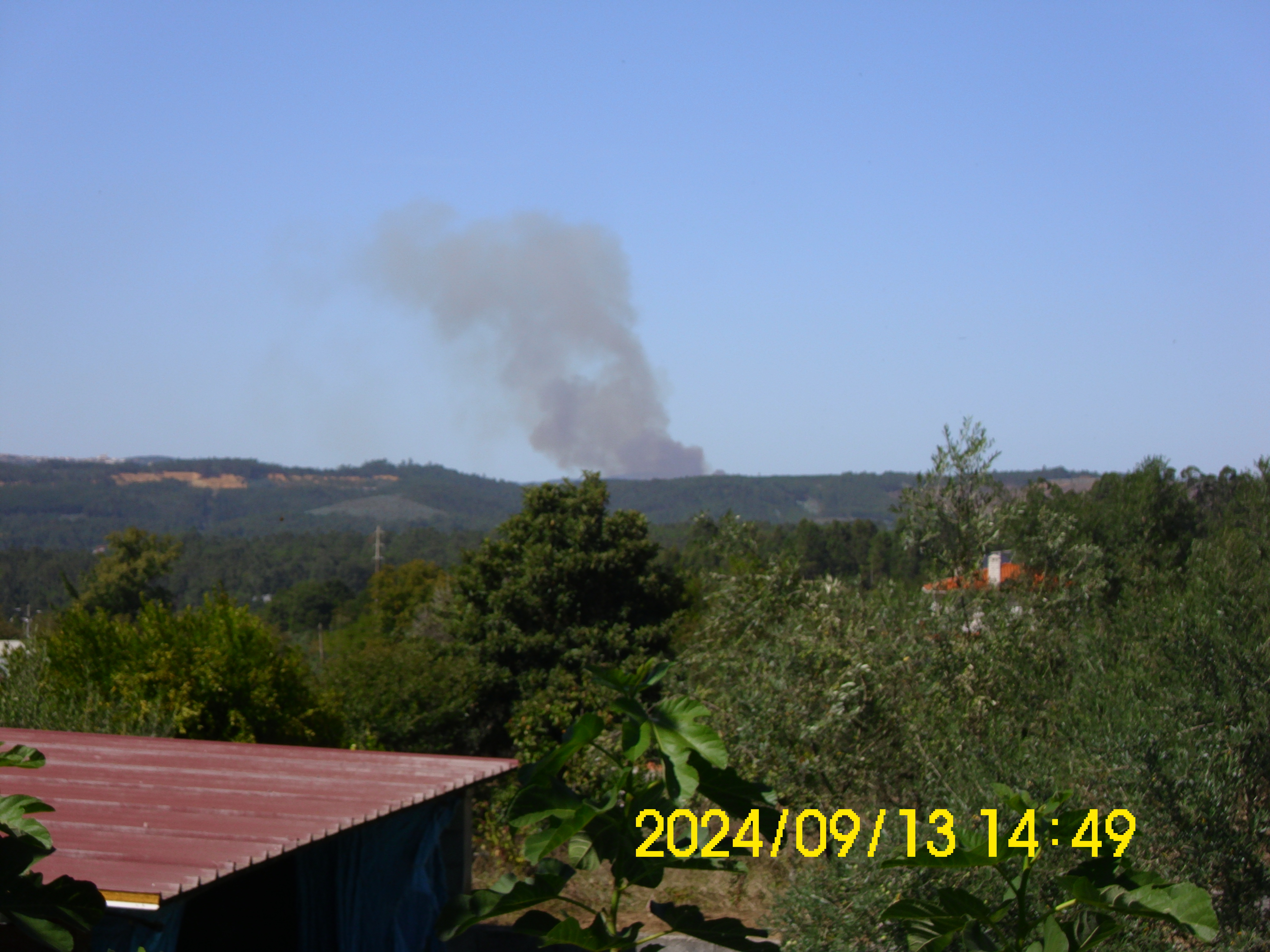
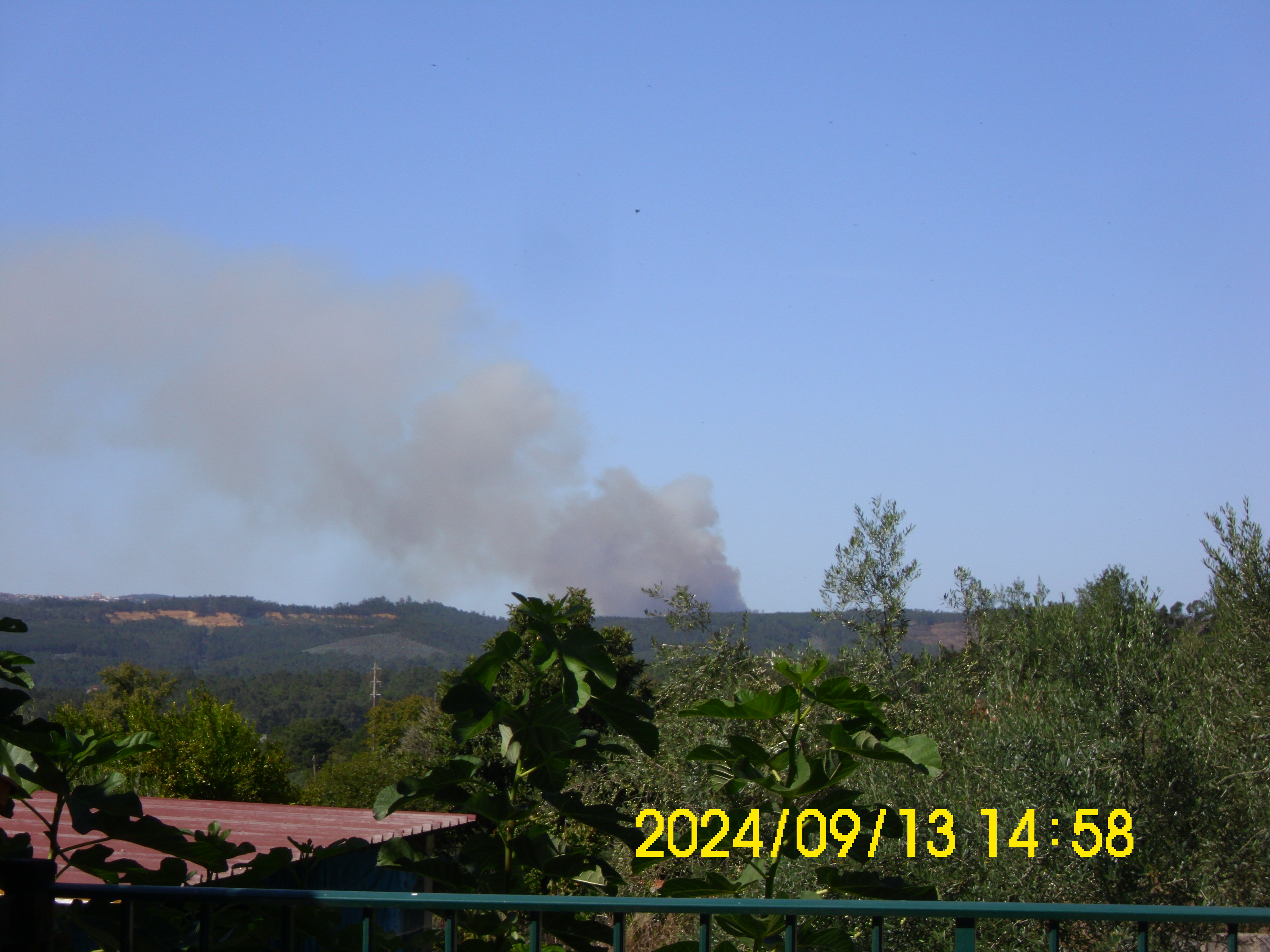
Porcarias nojentas transportadas pelo ar. algumas delas ainda ardem, fazem visitas indesejadas aos habitantes próximos e libertam enormes quantidades de CO2 para a atmosfera.
Este ‘seguro’ é pago ao produtor para cobrir as suas perdas, enquanto que NADA é pago aos residentes locais pelos danos colaterais nas suas propriedades e na sua saúde, não é nada menos que uma vergonha.
Tive de proteger os meus painéis solares contra a queda de cinzas quentes há apenas alguns anos e apagar a relva fumegante nas proximidades no meu jardim.
Nessa ocasião saí de Tabuas e passei o resto do dia na costa, onde eu e o meu adorável cão pudemos respirar.
Os efeitos desta poluição podem ser observados em todas as aldeias do Centro de Portugal – feios rastos de fuligem pelas paredes.
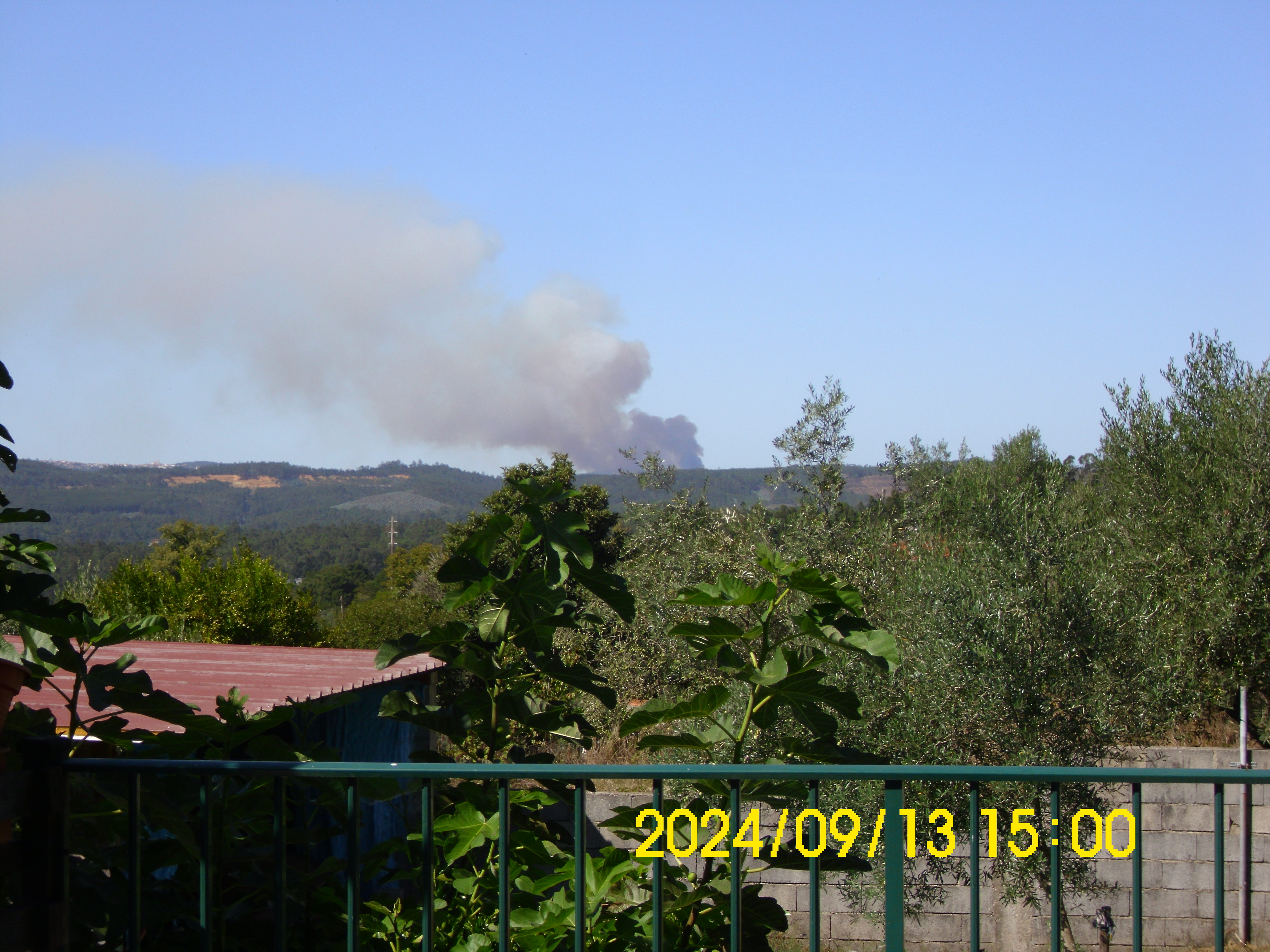
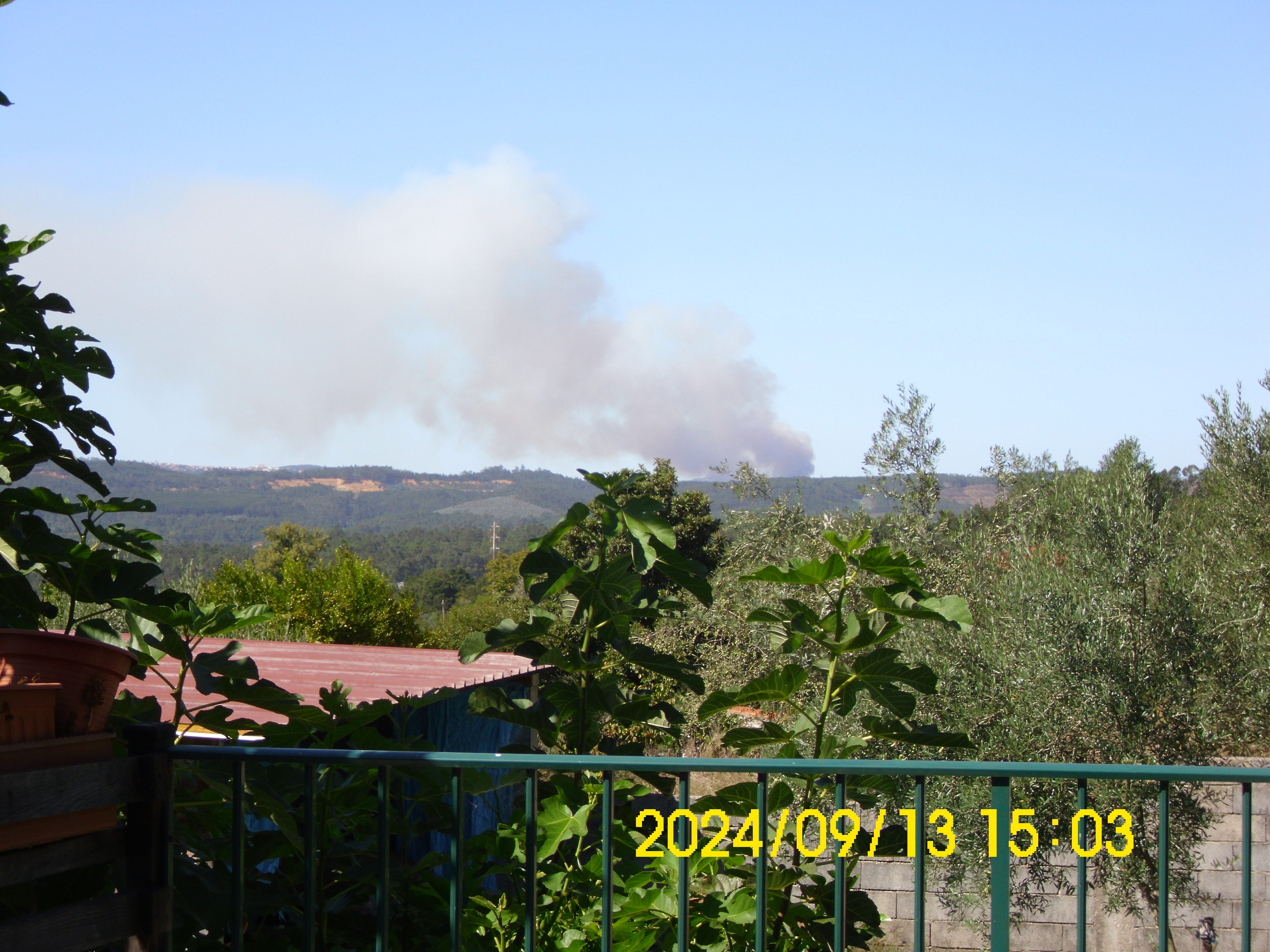
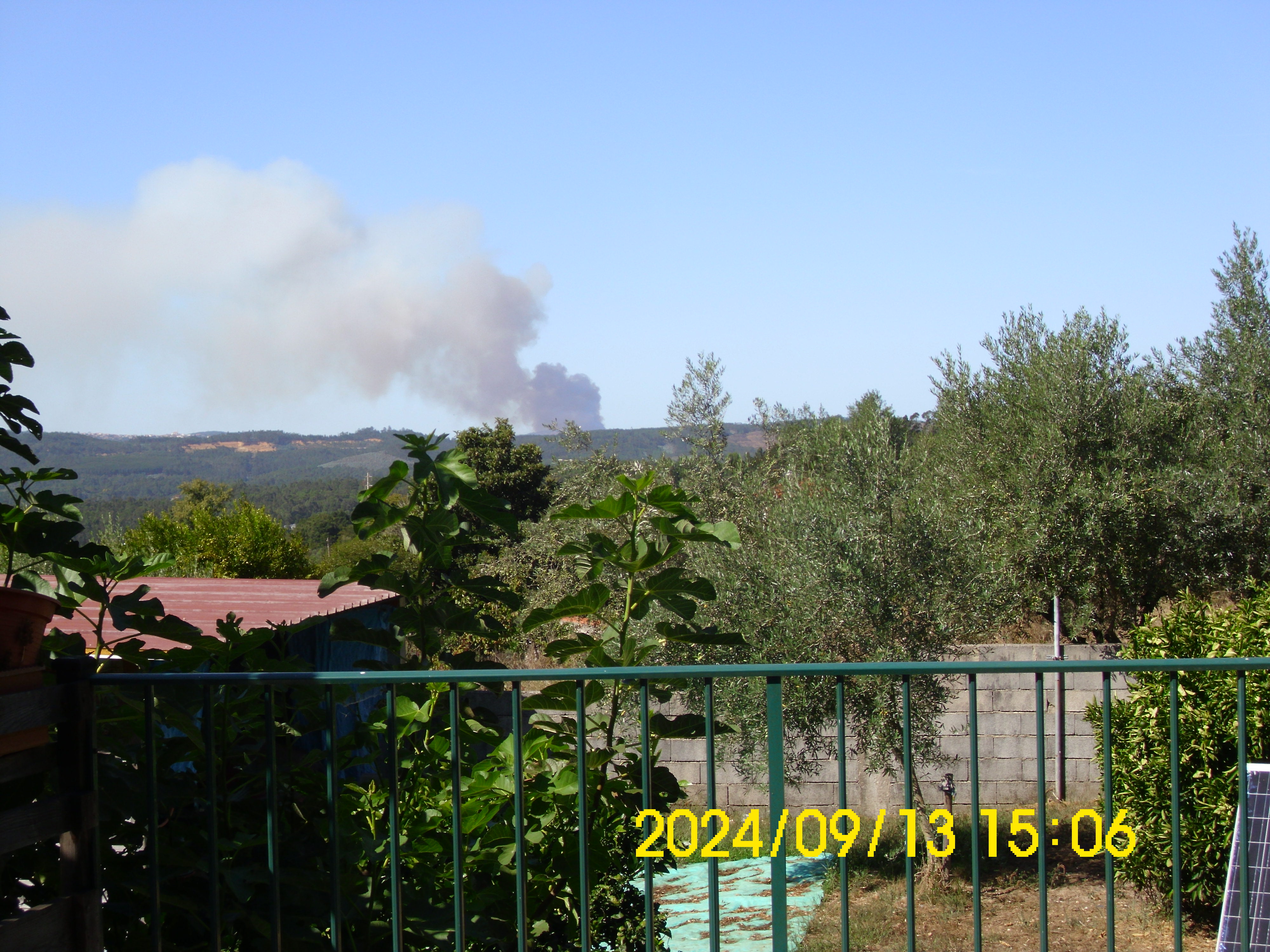
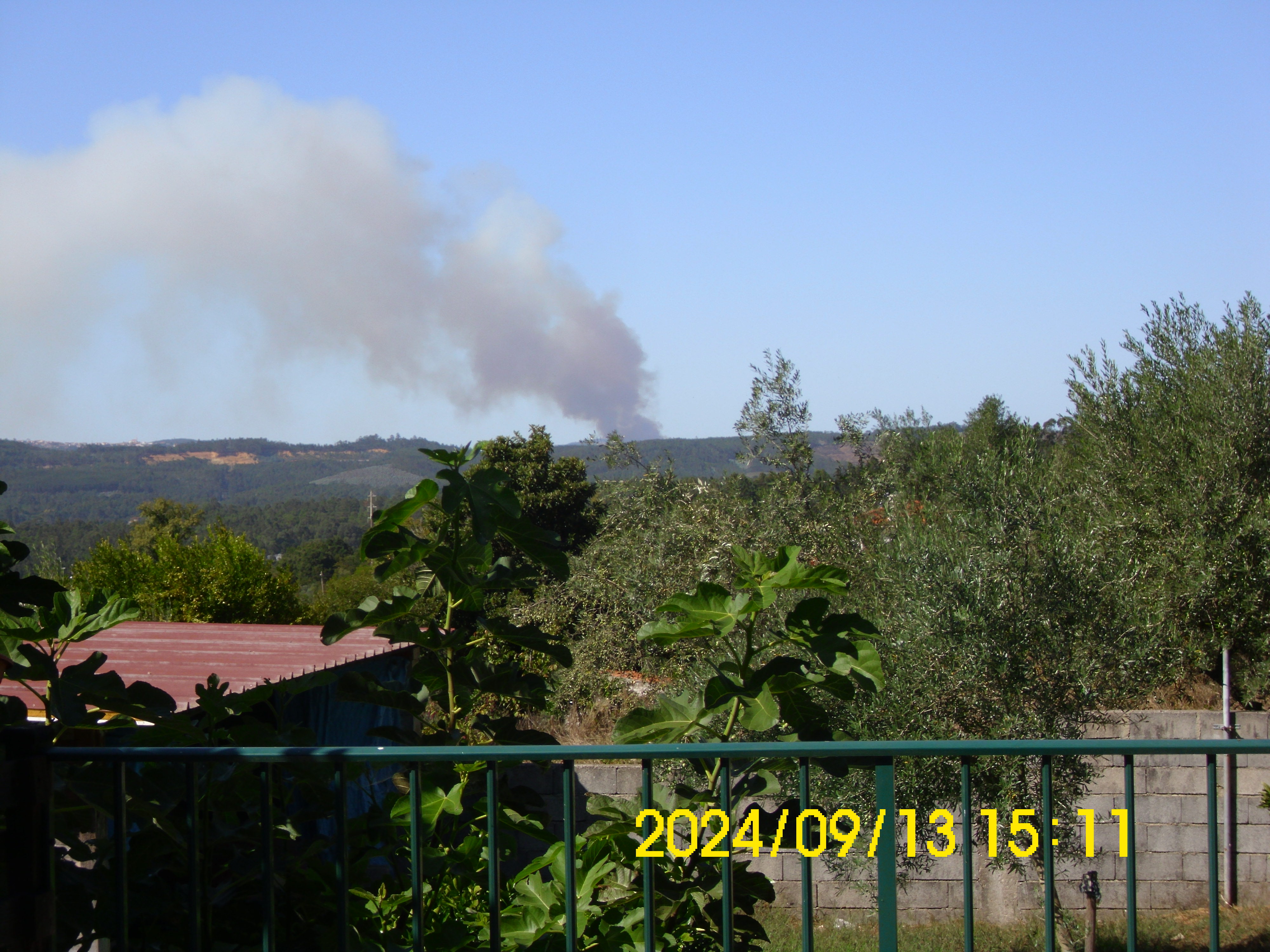
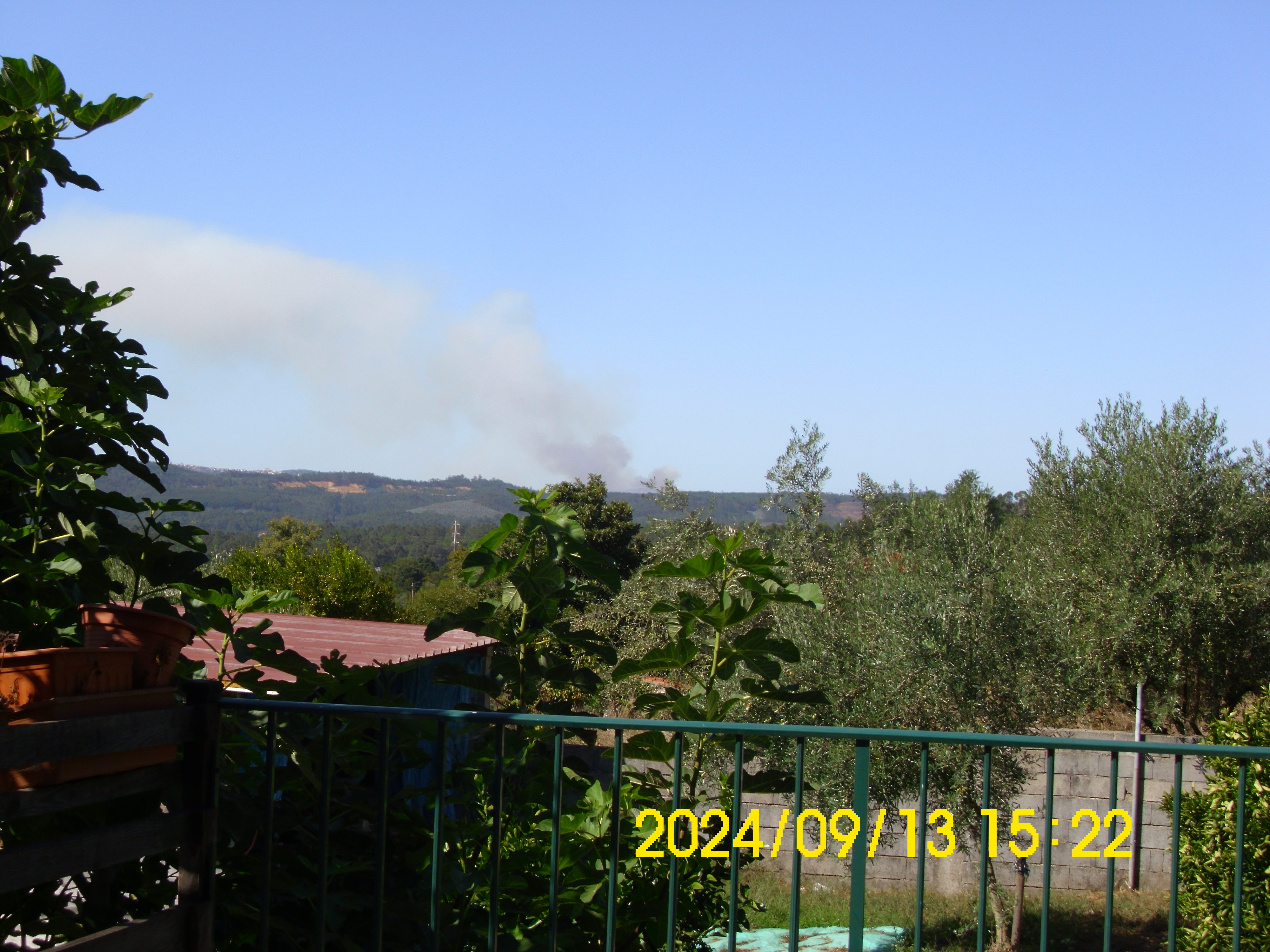
O incêndio a que se refere o título deste blogue ocorreu junto ao Fundão, do outro lado da Serra Estrella.
As fotos estão aqui: Fundao Fire
Árvore do dinheiro ou uma abominação?
[English]
What price the ‘cash’ crops of Eucalyptus in Portugal?
That the ‘true’ cost of turning a large part of Portugal into a mono-culture is NOT borne by the Capitalist investors in paper manufacture, is all too apparent.
Filthy airborne crap. some of it still burning, pays unwelcome visits to the denizens nearby, and releases enormous quantities of CO2 into the atmosphere.
That ‘insurance’ is paid to the grower to cover their loss, whilst NOTHING is paid to local local residents for the collateral damage to both their property and their health is nothing short of a disgrace.
I had to protect my solar panels against falling hot ash only a few years ago, and douse smoldering nearby grass in my garden.
On that occasion, I left Tabuas, and spent the rest of the day at the coast, where myself and my lovely dog could breathe.
The effects of this pollution can be see in every village in Central Portugal – unsightly soot trails down walls.
The fire referred to in the title of this blog was close to Fundao, the other side of the Serra Estrella.
Photos are here: Fundao Fire
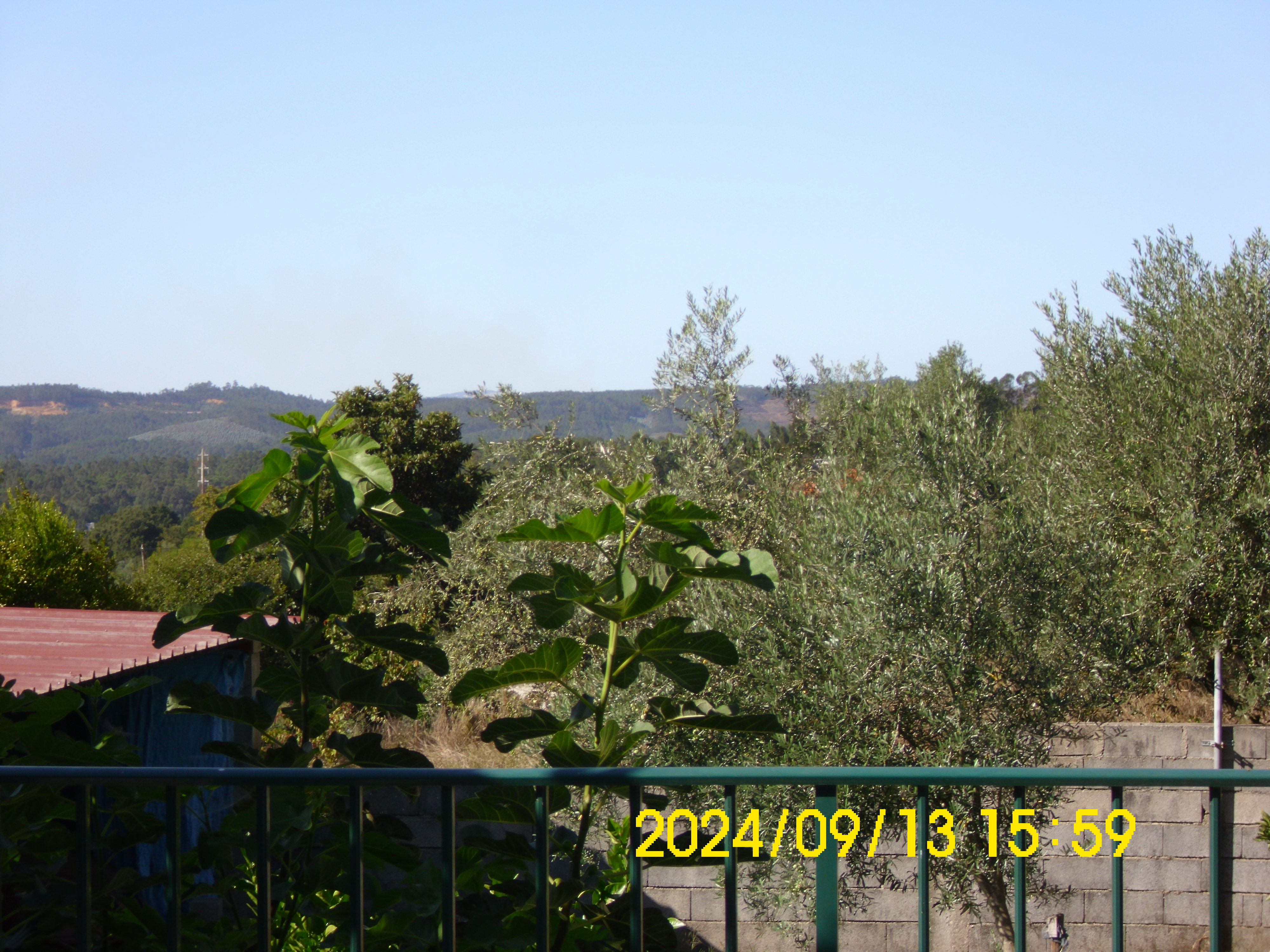
Fotos tiradas do meu quintal (voltado aproximadamente a Norte) em Tabuas, um pouco a sul de Miranda Do Corvo.
Photos taken from my back garden (facing roughly North) from Tabuas, a little south of Miranda Do Corvo.

This story tells of a man who has adopted a life of helping homeless and vulnerable girls, and of waging a dark and ruthless private war on the human traffickers and criminals who prey on them. His chance encounter with a young Serbian woman, and his experience of her growing unconditional love for him, reveal to him that emotionally, he is as broken and beaten as the girls he is trying to help.
Warning: The story contains adult subject matter, several explicit scenes of an intimate sexual nature, and descriptions of human jeopardy, and is not suitable for minors, or those who are easily offended.
Download/Read in Browser: The Carlson Imperative Book 1
Click on above to show full screen on your browser. Click ‘Back’ button (<-) to return.
Foreword. My electricity bills are significant, and this is to be expected, but they should also reflect that I power most of my equipment from a DC suppy, which is supplemented by a solar PVP system.
I’ve already conducted tests in the ground floor of my house, and I’m at a loss as to compare these with my supplier’s readings. A comprehensive record of my usage needs to be made, and has prompted the purchase of a clamp-driven, wifi-based unit.
To access this I have looked at Google ‘Home Assistant’. Oh Dear! Yes, the device is supported, but outputting information? that woudd seem to take over a whole display on computer or ‘phone.
The ‘protocols’ and ‘implementation’ on git, look like a bad nightmare. Home Assistant? I’m not so sure, it isn’t for me. But on this occasion, I will use it – sparingly.
‘Getting to the point’ – as Jeff Lynne once sung. I do not believe that Google ‘Home Assistant’ is for me in a general sense.
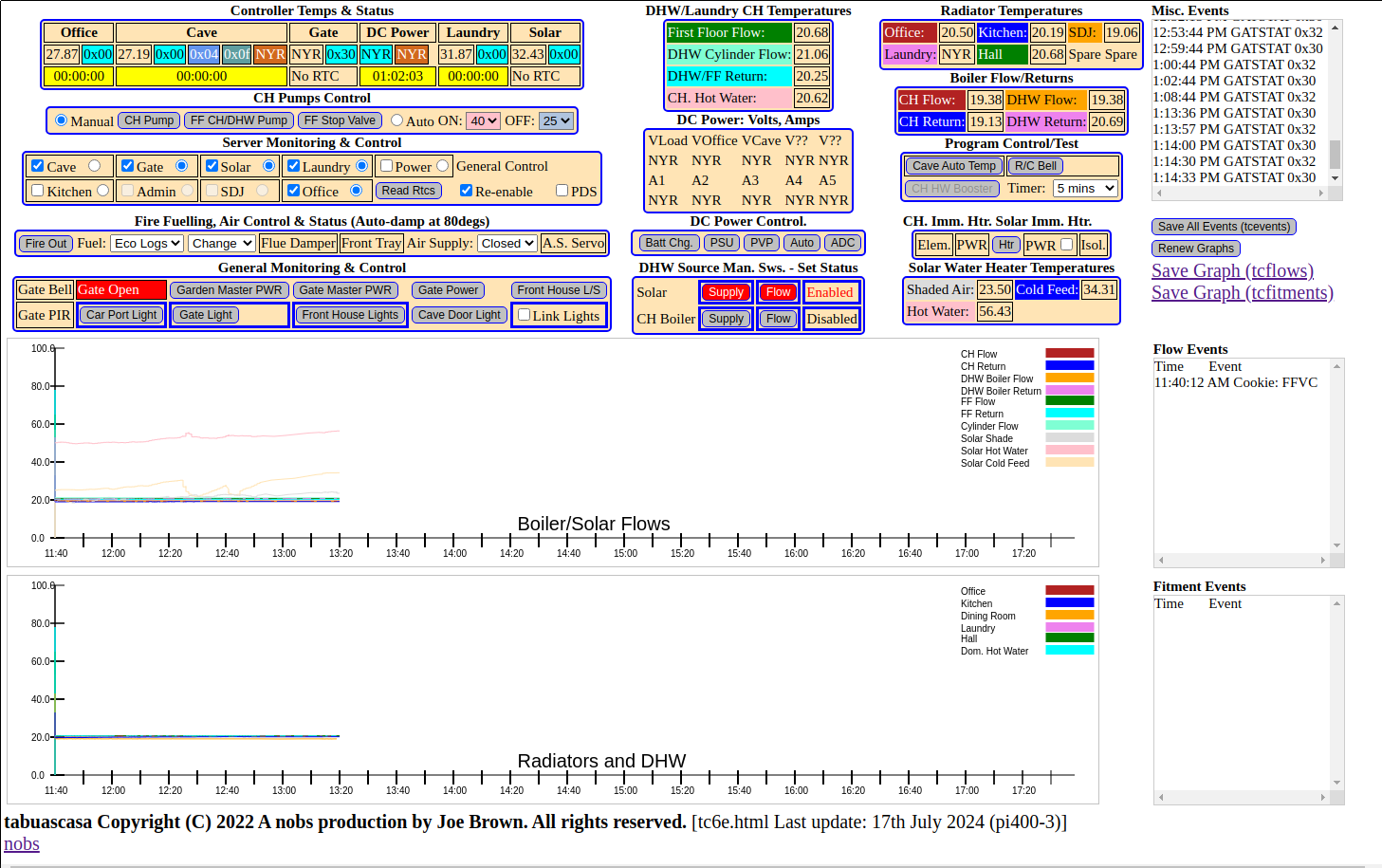
Later, I will post some screenshots of the mains monitor in use.
See here.
History – quite a long one.
I emigrated to Portugal in the back end of 2012. I had purchased and moved in to a house situated in a small hamlet near Miranda Do Corvo.
The house had been constructed around 10 years before, but never really ‘finished’ off.
It being winter, my first priority was central heating.
This, I both designed, and installed myself, the details I will spare you.
Rather than having to rely solely on ‘manual’ control of pumps etc., I carved a controller from a raspberry pi, using mostly the Dallas 1-wire system. (which actually has 3 wires!)
The user interface was the crummy python interface based on Tk.
As ‘stuff’ was added to the 1-wire network, ie. switches, thermometers etc., performance suffered – badly, and reliability suffered also.
I decided to split up functionality to discrete areas of the house, so that these could be served separately by a dedicated wifi-connected server. This work began almost two years ago, and is still ongoing.
The ‘Tk’ based user interface was dumped, a new machine, raspberry pi 400 and a website (apache) installed.
Servers are implemented as ‘socket’ servers, a set of intermediate php scripts installed, and the interface demonstrated is a web page written in HTML5, javascript and jquery.
To date, this is still a ‘work in progress’
Hardware.
Servers are ESP8266-based WEMOS D1 mini, programmed in C++ on an Arduino IDE.
Thermometers are the Dallas 1-wire type:
Mains voltage ‘detection’ is implemented using opto-couplers.
Mains current ‘detection’ uses a home made ‘slit’ toroid and Hall device, to generate a ‘square’ wave (or none, if no current).
Proximity detectors are generally Hall devices, connected through a Dallas 1-wire unit.
A servo motor controls ‘fresh’ air supply to the log-burner/CH Heating unit in the ‘Cave’.
I could go on, but almost everything in the system is basic, cheap, and readily available.
Operation.
Servers are activated/de-activated by a checkbox.
Servers are invigilated every 3 seconds or so. This activity is monitored by the on/off appearance of a radio-button.
Control of pumps etc., can be automatic, based on presets, or manual, using a button.
StatusesUsually indicated by a colour change.
Technologies. HTML5, PHP, javascript, jquery, C++.
Development Environment. Pi400, Geany, Arduino IDE.
Note – No Windoze required nor desired.
Note – No 3rd party installers, packagers or similar bullshit.
For the unwary: ‘nobs’ is my ‘tag’ – yes, it means ‘No Bullshit’
Google. Google have created many useful things,many of which I use. But never forget, Google wants to make money – well nothing wrong with that, I’ll agree. But I’ll take and use the good, and ignore the bad, and Google Home Assistant would seem to be a pushed in the sales direction.
That their protocols are accepted and used for various ‘commodities;, is fine also. But they all make the same mistake – Look at your home, now cram all the infantile interfaces for each of your home ‘devices’ onto one ‘screen’. Well you can’t, but I’ve shown how much I can display and control on one screen, and here’s my challenge – do as well with ‘Google Home Assistant’.
To be continued..
This tale is true. I wish it wasn’t. It describes events that took place in my pre-pubescent days. See my remarks later, after reading below.
Uncle John
I’ve added the following to give the reader some perspective of my father’s ‘family’.
My dad had two brothers, John and David – there had been a third, Joseph, who I was informed had been in the Royal Navy, and whose life was lost when ‘Glorious’ was torpedoed by a U-boat during World War II. There was a sister, Mary, regarded I suspect, as ‘a black sheep’ by her brothers.
My retrospective on the events relating to John are, that I pondered why nothing had apparently been done to help John with his very obvious paranoia.
Did my father refer John’s fears and actions to a doctor? I strongly suspect that he did not. ‘Finger-wagging’ he was very fond of, and that, I suspect was all that his ‘talks’ consisted of.
That in succession John was in danger of electrocuting himself, seemed of no import. It took a threat of blowing himself up, together with half of the other residents of his street, before anything positive was done. This is nothing short of shameful.
As it happened, John ‘outlasted’ my father, and apparently had left his ‘worldly possessions’ to my father. This I know, by being contacted by Mary. Well I don’t believe there were many men in Gateshead with my name, so it wouldn’t have been too difficult.
I visited Mary, by then a fairly old woman. She was ‘most concerned’ that if a descendant of my Dad’s didn’t come forward, the ‘social’ would get the ‘money’.
I listened carefully, then left, and did nothing.
This post describes the design and construction of a 3-channel, 30 watts per channel, audio amplifier. Although my amp incorporates two antique HY60 power modules, construction details are given for construction using the modern TDA2050A, capable of yielding 32 watts. The amplifier is intended to be used as a Leslie Speaker Emulation driver unit, delivering power into a 3-phase speaker system, the construction of which which will form a companion post, together with a PIC microcontroller control system, also described in a separate post.
Original article posted on joebrown.org.uk around 2010
Companion posts are as follows:
Updated 29th January 2014.
You may also be interested in this: MIDIGEN – A (belated) LEMS postscript
Why The Brute?
The introduction of the power transistor some forty-odd years ago heralded the demise of valve(tube) amplifiers – at least for everyday amplification. Unlike it’s thermionic cousin however, the transistor proved to be almost totally intolerant of heat, suffering from thermal runaway which if not checked resulted in early demise. Great ugly heatsinks started appearing on the back of amplifiers – the only manifestation of activity in what was otherwise (and still is) a boring, banal box, with little to distinguish one manufacturer’s efforts from another.
Around the same time, Gateshead Town Council cleared away large areas of pre-war (yes, 1st World War) housing, and built in it’s place great ugly blocks of flats, some of which, in an effort to hide their dullness and banality, were ‘rusticised’ by arranging to have bruised concrete ridges running vertically up the walls – not a little unlike the heatsinks on the amplifiers.
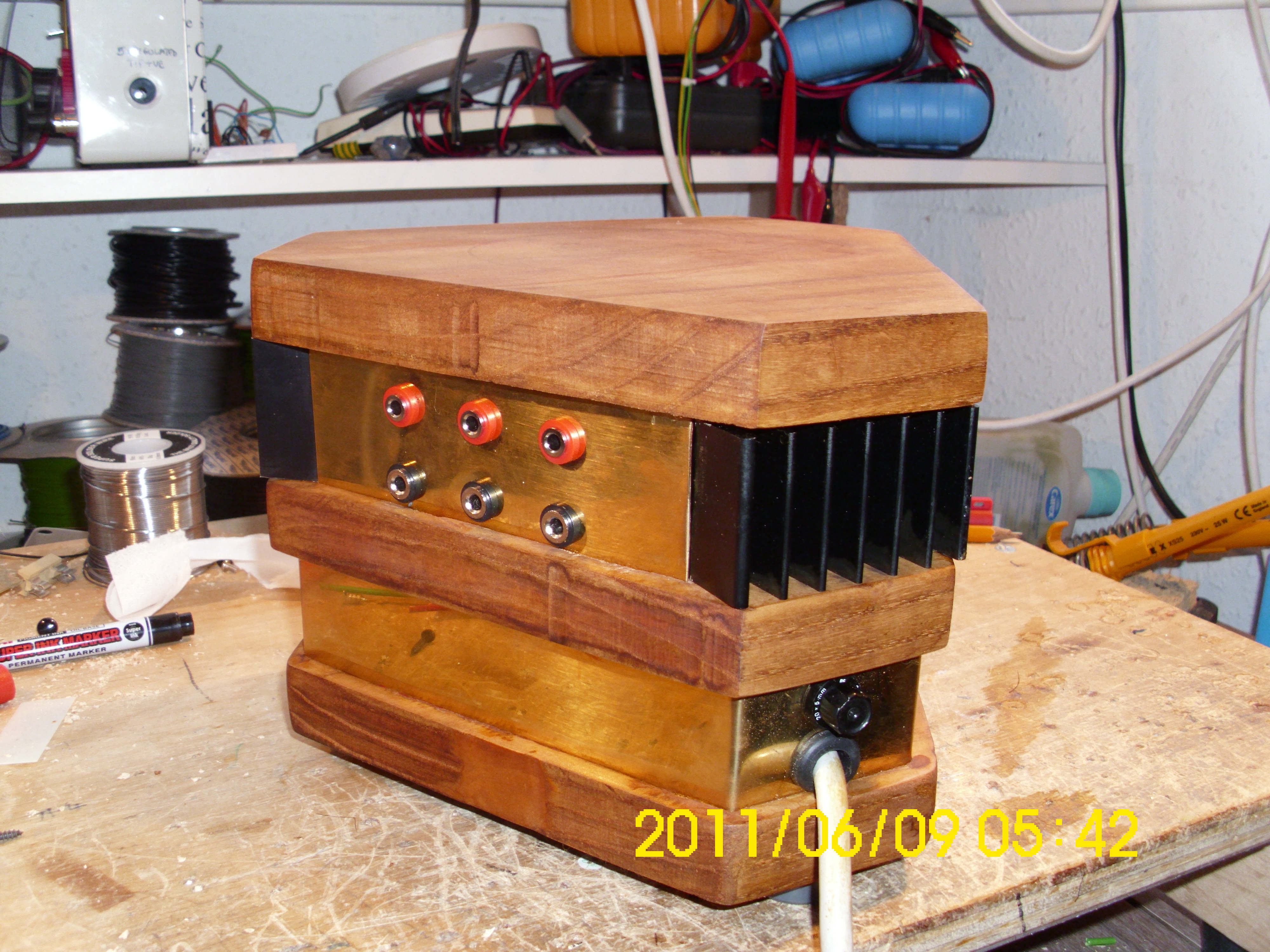
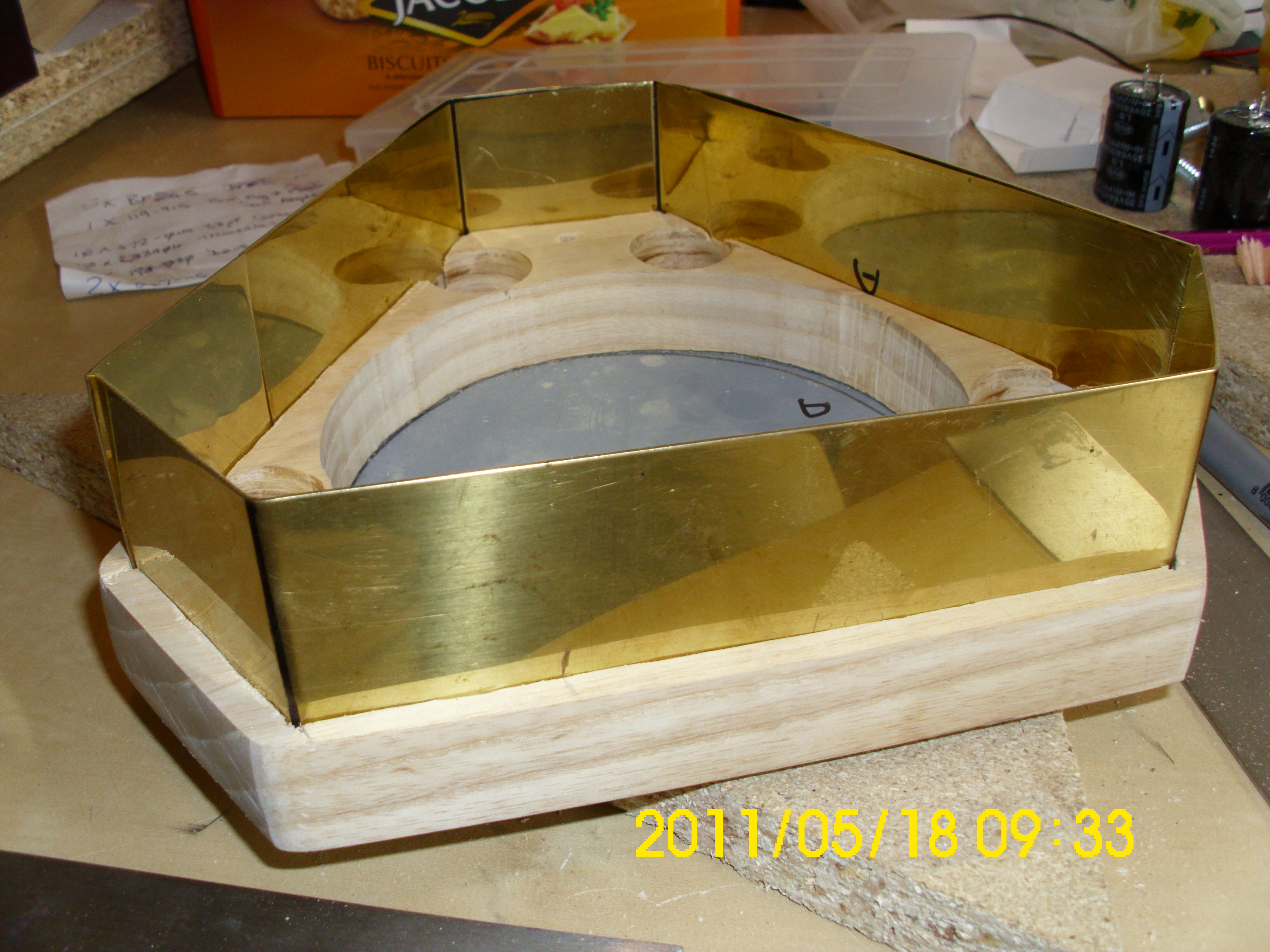
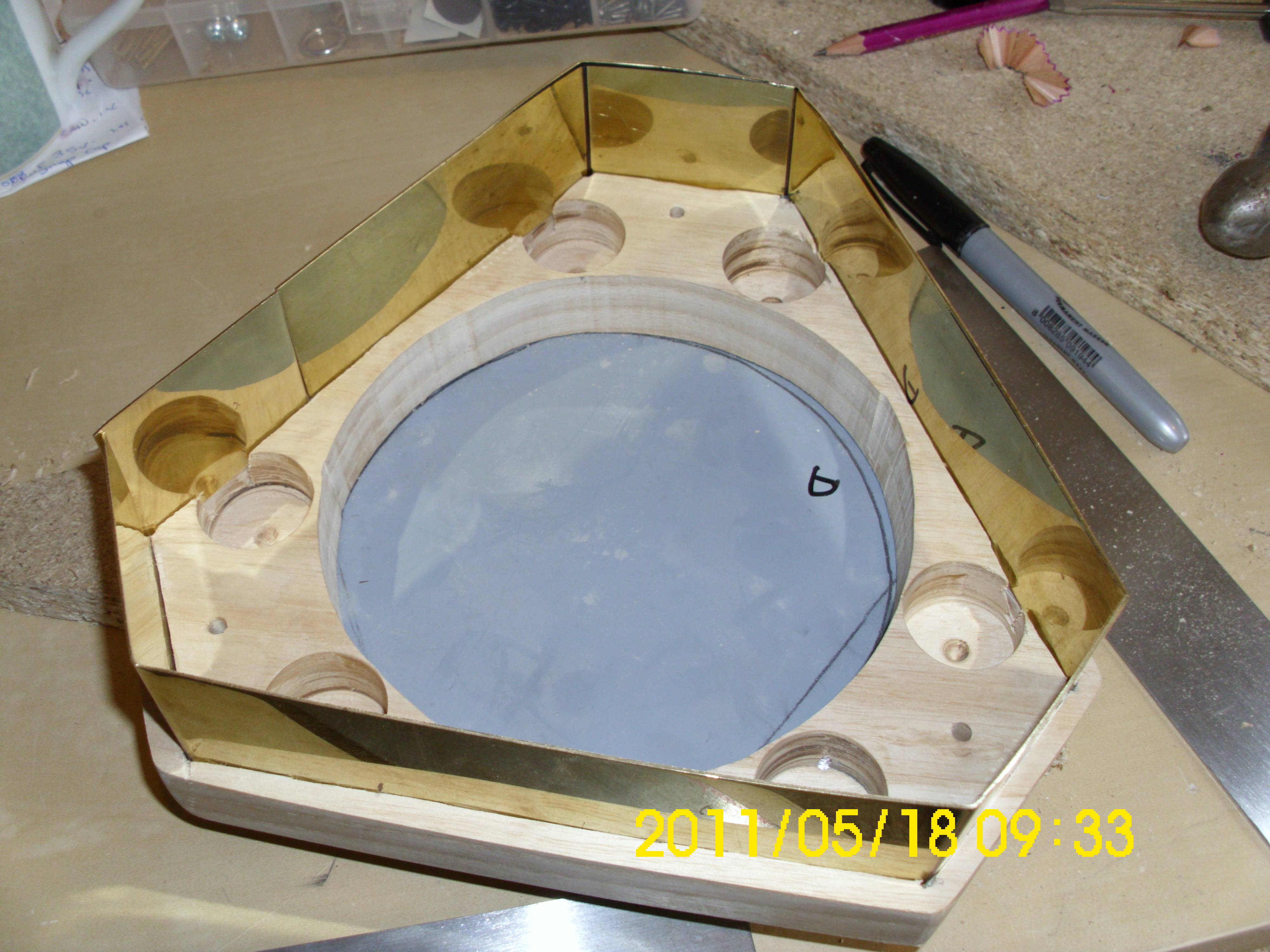
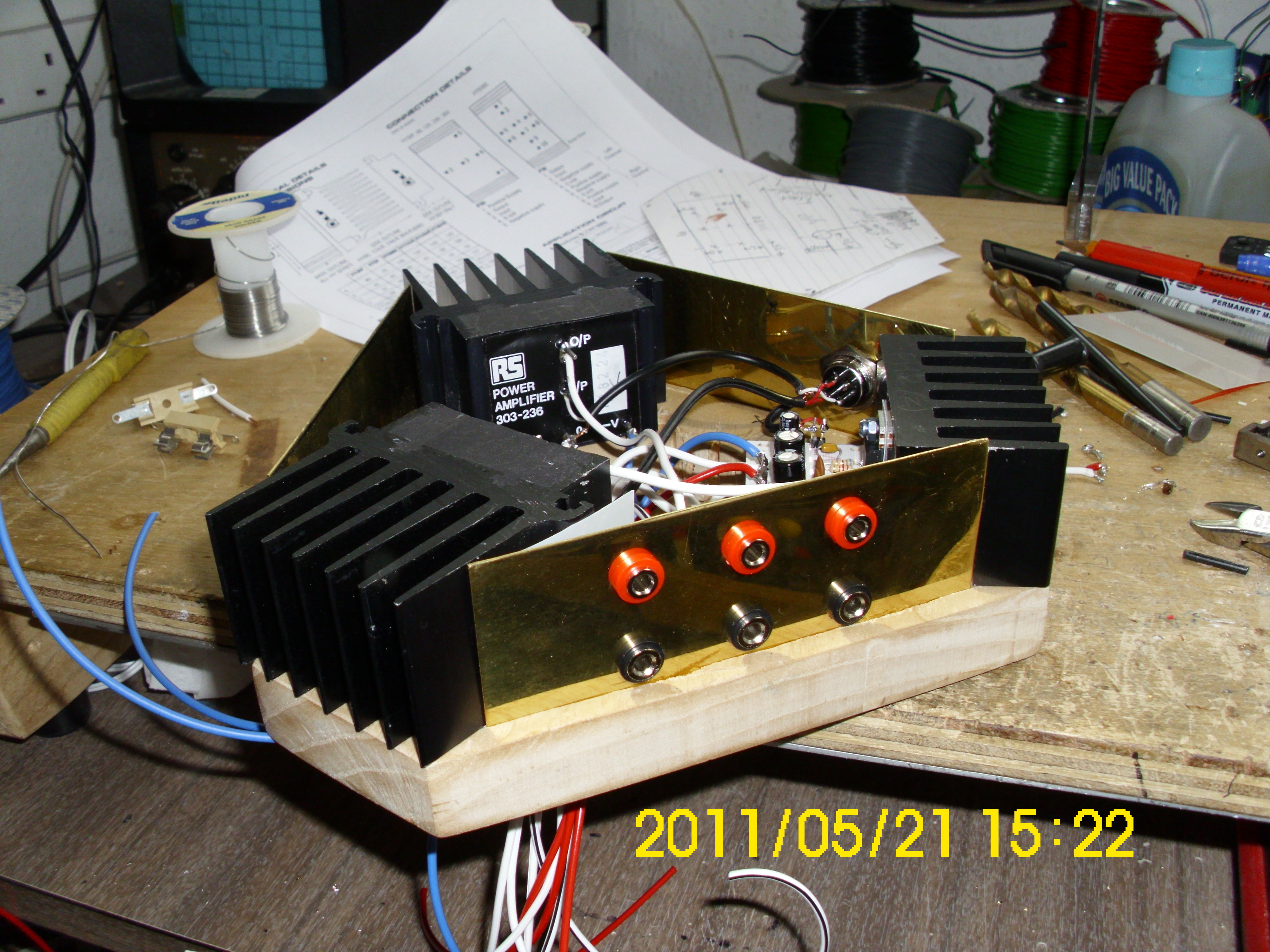
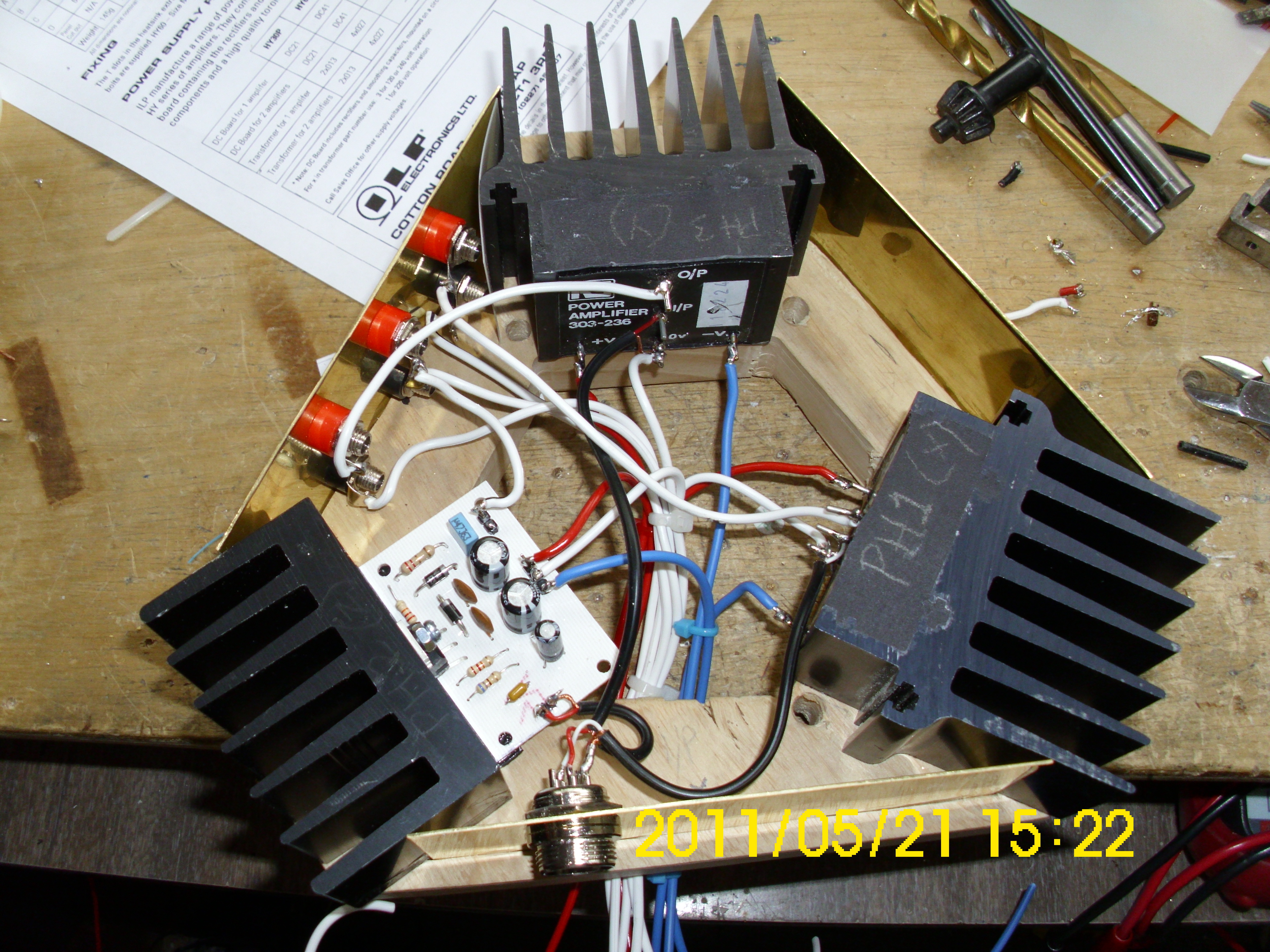
A little while ago (when this article was first posted), I received a gift of two HY60 power-amp units from a good friend, and decided to incorporate these into my Leslie speaker emulation system. I could have followed common practise and hidden the black fins on the rear of a cabinet, but decided to make a feature of these. Together with the use of a two-tiered structure, built using heavy slabs of Beech and Brass panels, I have tried to create a (back-handed) tribute to the Brutalist architecture of the age in which the HY60s were conceived.
That the result is somewhat ugly, there is no doubt, but it is also functional, the vertical construction resulting in a strong chimney effect which results in a natural flow of air both around the power transformer and up through the amplifier heatsink fins. The latter do get warm at full power, but show no signs of suffering as a result, and no fans were deemed necessary.
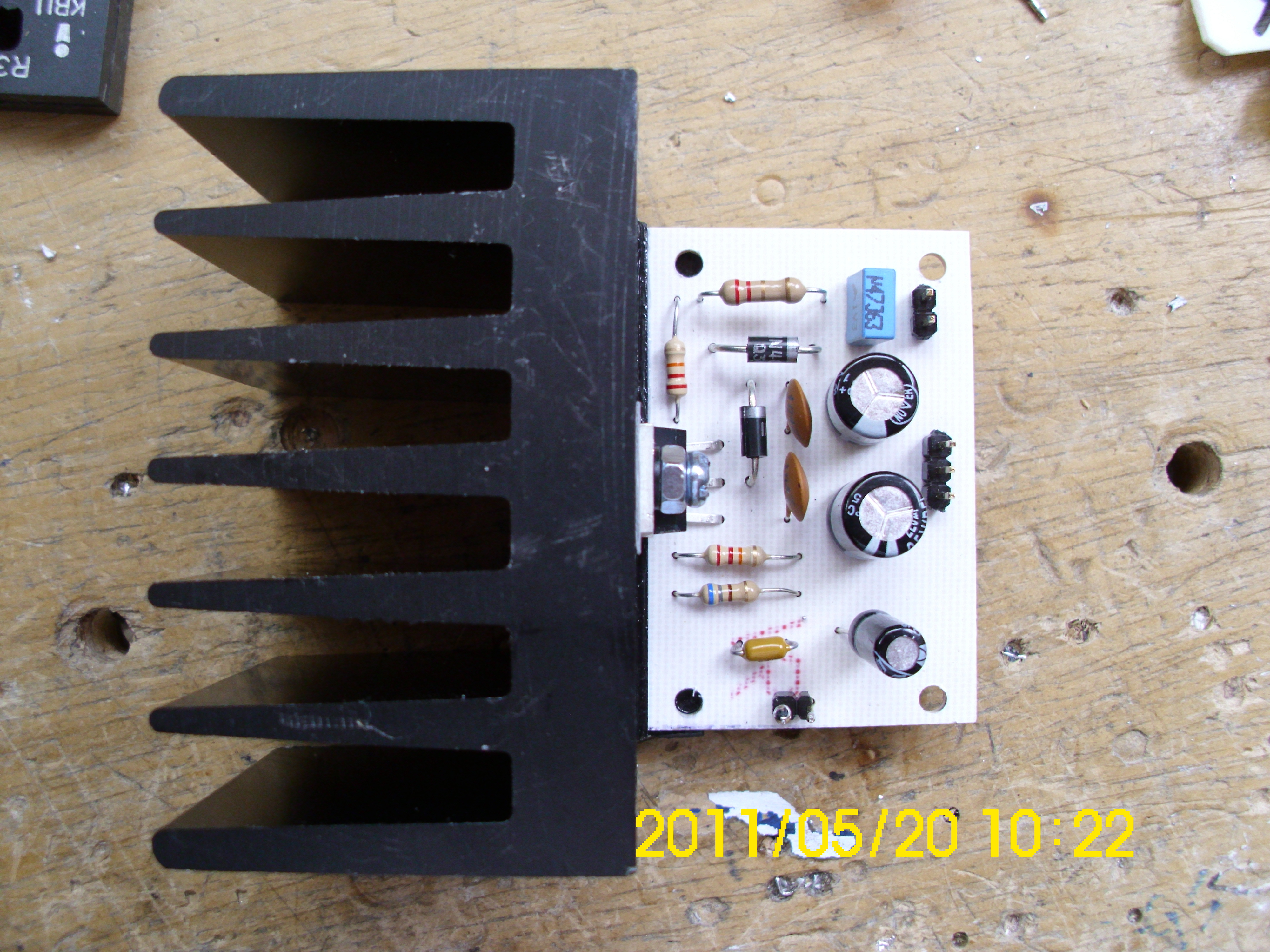
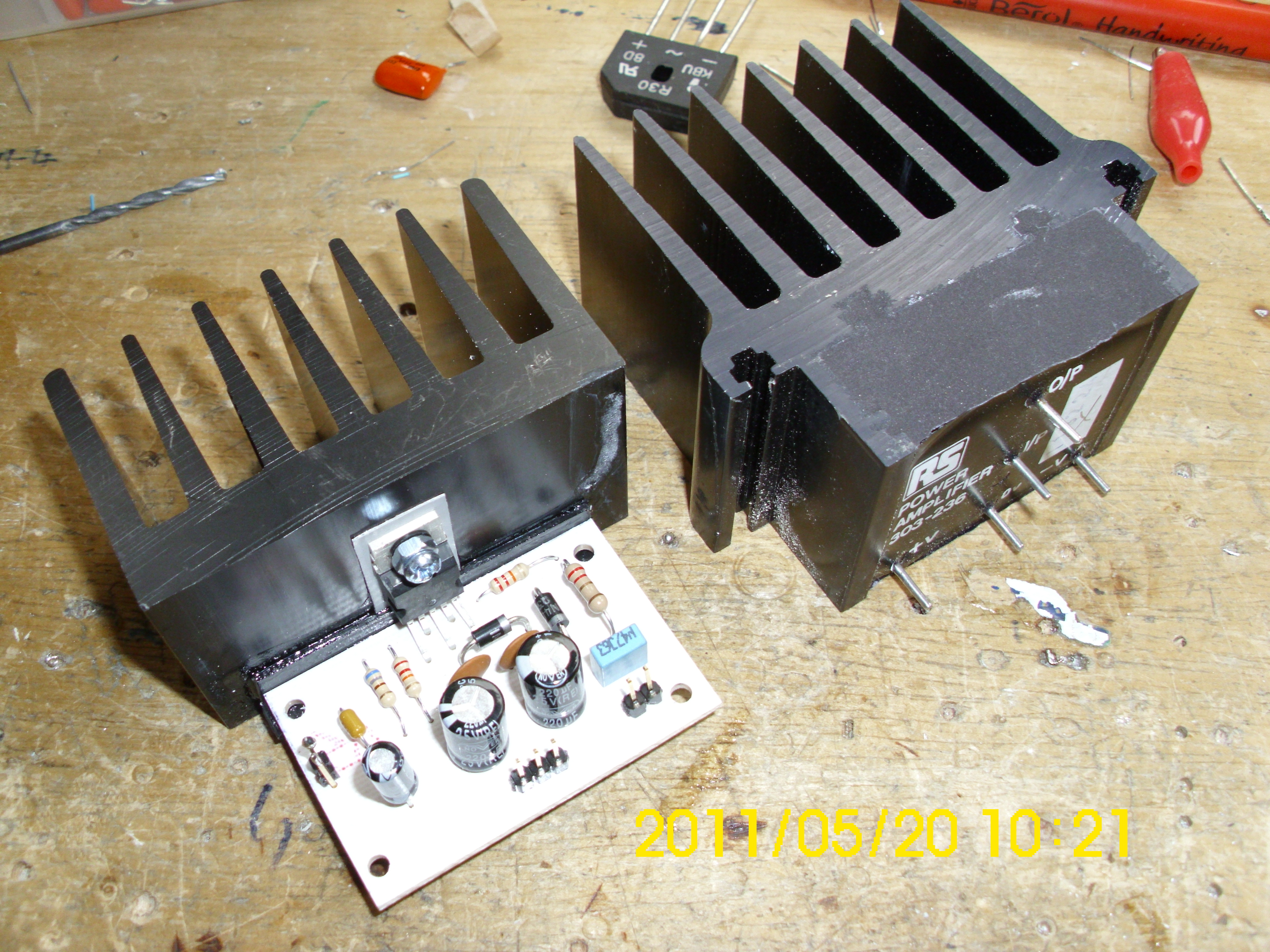
Since I needed 3 amplifier units in total, I purchased a similar-sized heatsink and built the 3rd amplifier using a modern integrated power amplifier – the TDA2050A.
The Shape
The shape of the amplifier apes that of the loudspeaker system, which is a ‘squashed’ hexagon thus:
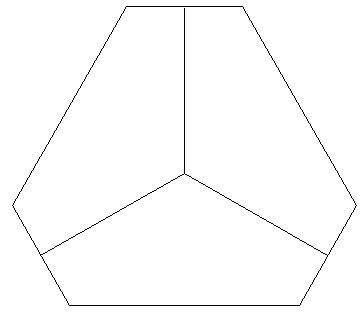
The dimensions are reduced so that the power transformer and reservoir capacitors are accomodated, and the small sides of the irregular hexagon are roughly equal to the width of the heatsinks. (2.4 inches/62mm) This results in the long sides being just a little under 6 inches/150mm in length. The central dividing lines in the above drawing should be ignored, as these are not used in the amplifier unit.
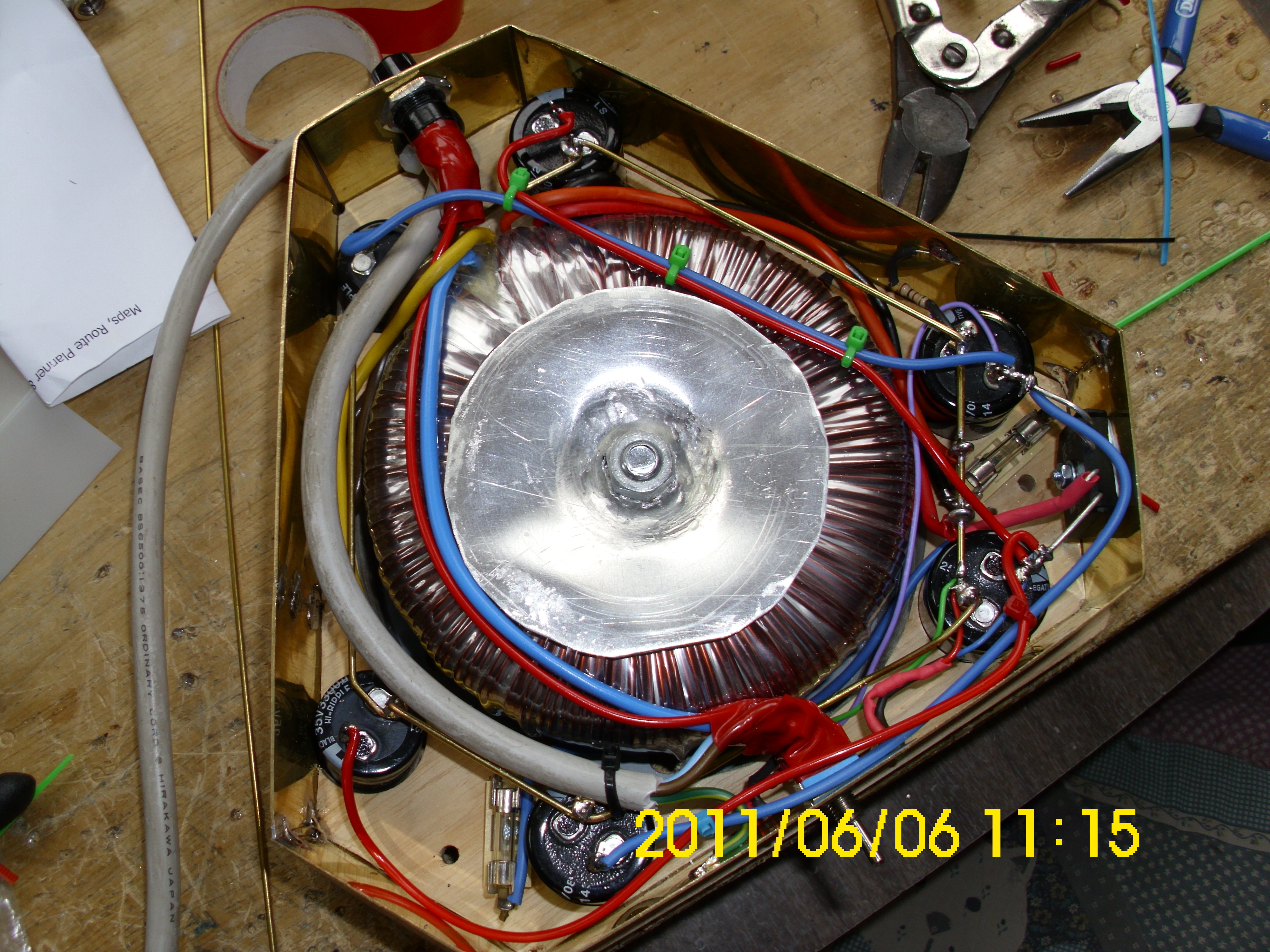
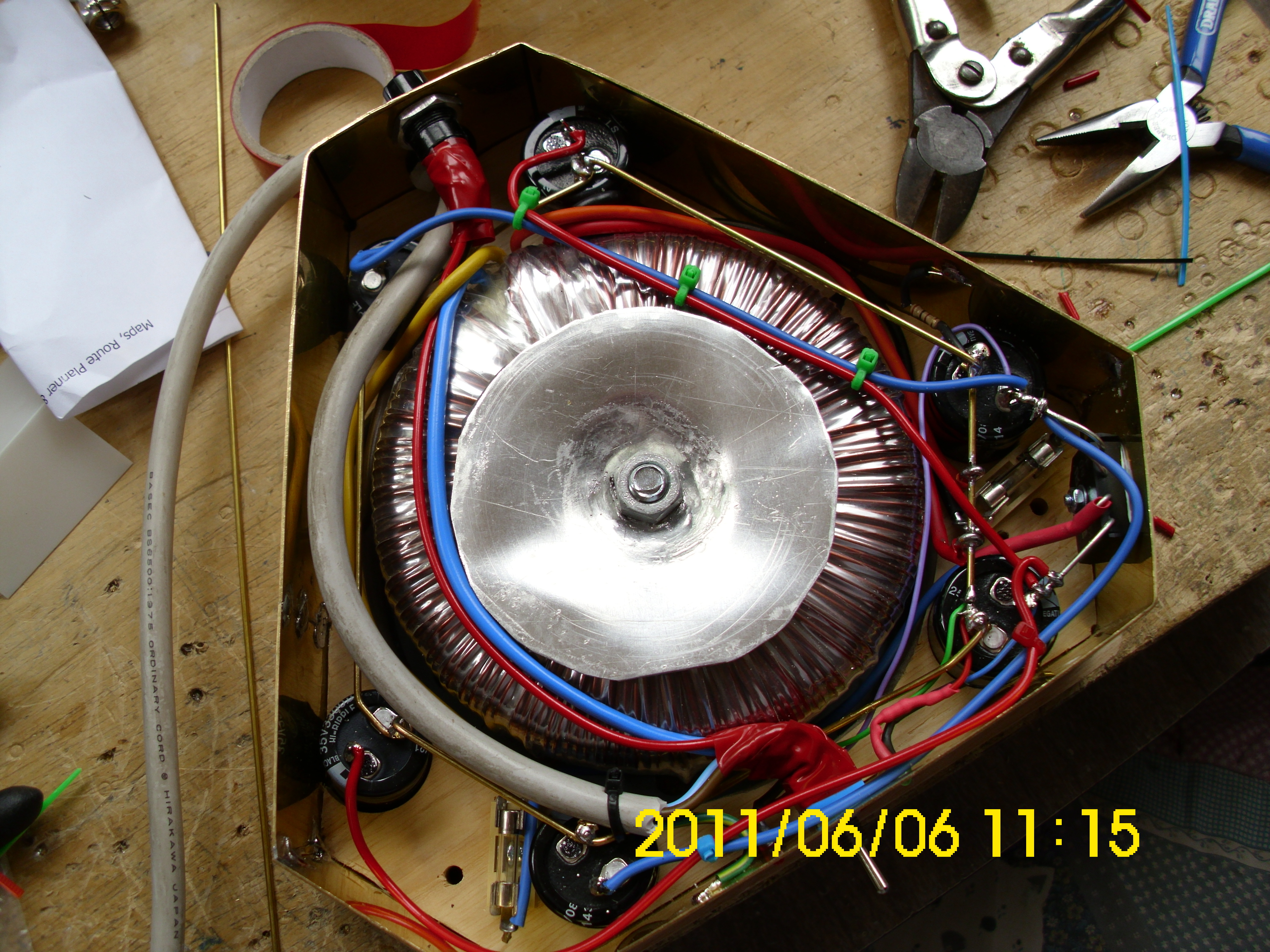
Photographs of construction and the completed unit.
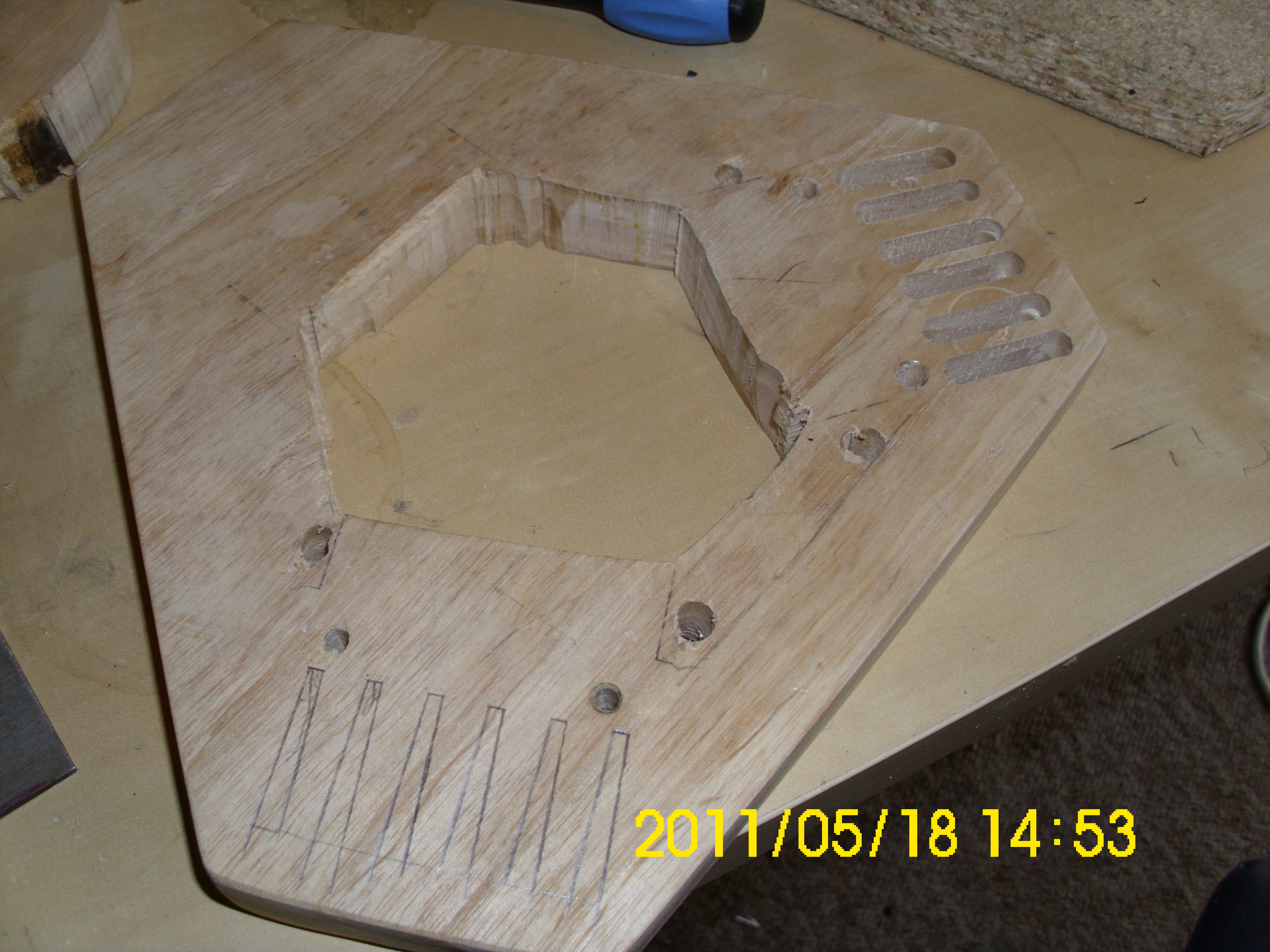
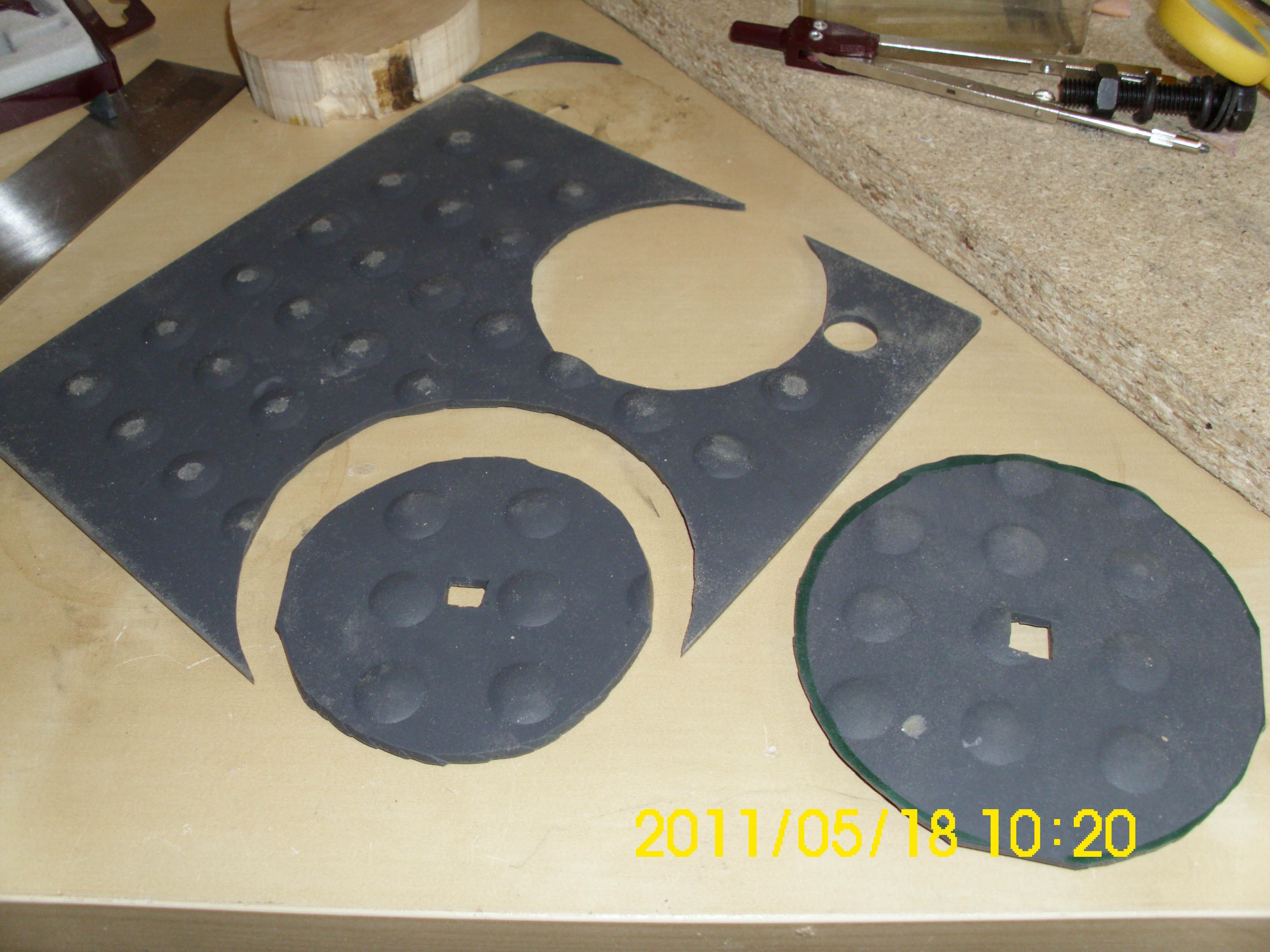
Unlike previous posts, I’ve confined most of the photos taken during construction to a separate post: Construction Photos
If you are considering building something similar, a glance through these should clarify my remarks regarding ventilation above.
The HY60
If you are the proud possessor of a number of HY60 (or equivalent) units, then by all means use these. I incorporated two of these into my design, using the recommended PSU of +24v, -24v, and followed the circuit schematic given in the HY60 datasheet, which I’ve linked below: HY30P.HY60.HY6060
The TDA2050
A link to the TDA2050 datasheet is here:
TDA2050
My schematic varies little from that in the datasheet:
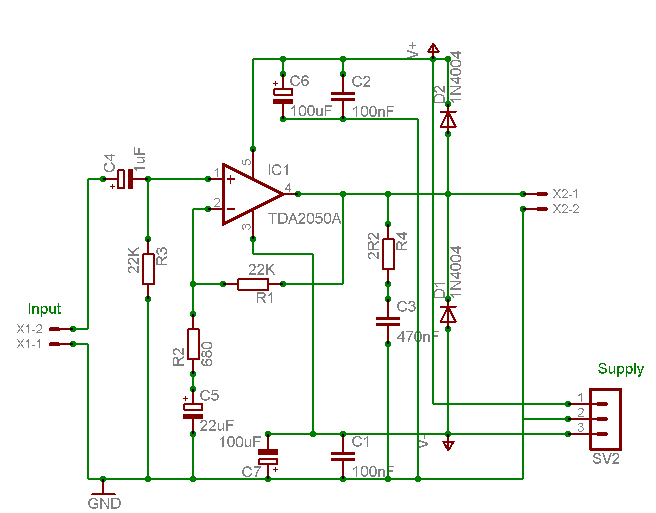
Exports from the Eagle project of the component and foil sides of the PCB will be provided later, when time permits, together with the Eagle project files.
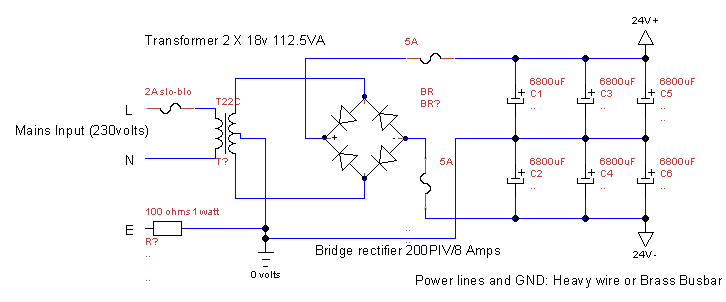
The power supply is simple – but large! I used a 225watt Toroidal transformer and two sets of 3 X 6800uF electrolytics. No PCB was used and the schematic is given below:
Construction
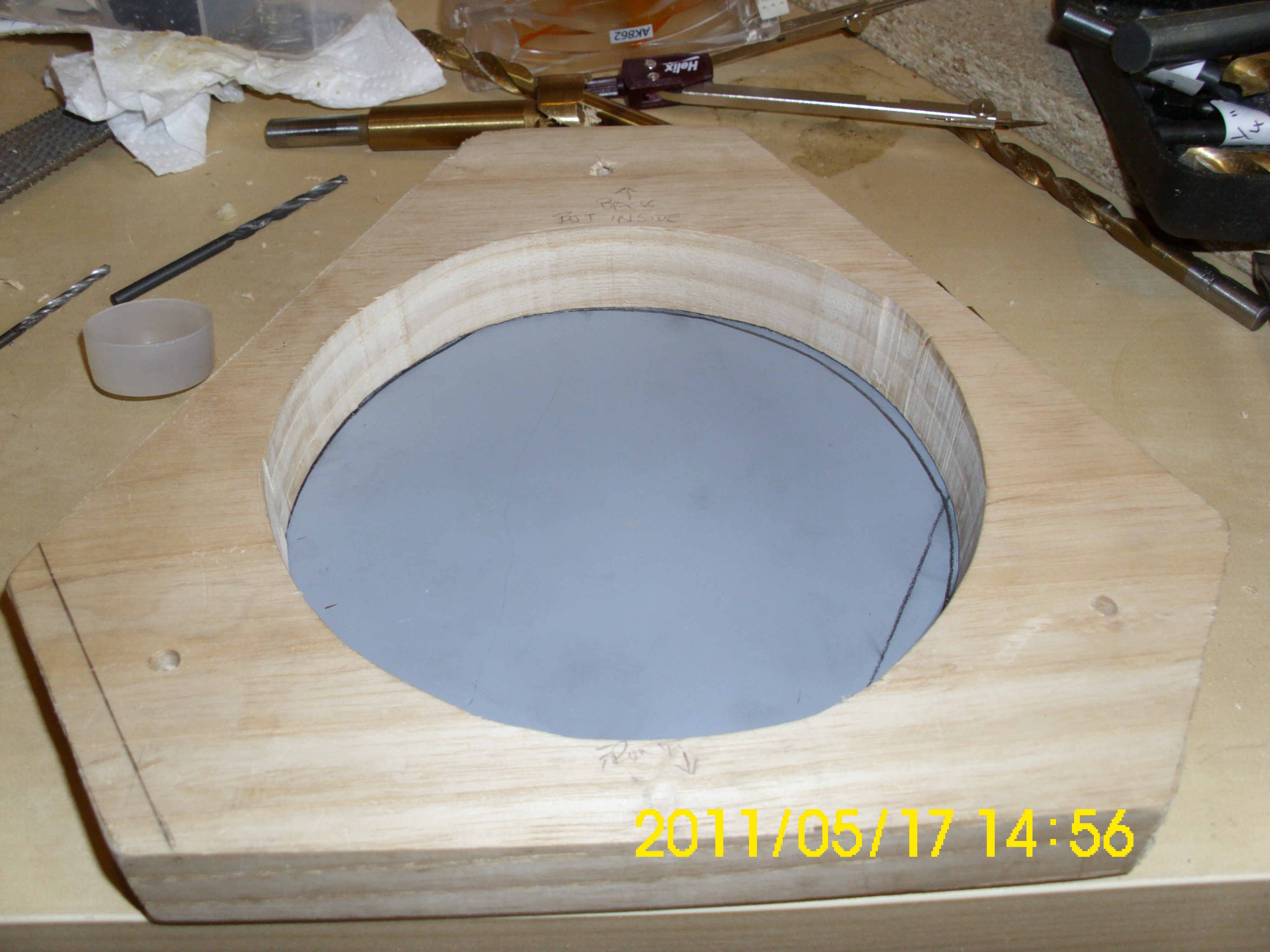
I roughed out the irregular hexagon Beech slabs using a power jigsaw, then finished the outside profiles using a high-speed router. The transformer pan cut-out was done with the power jigsaw, as was the hexagonal cut-out on the amplifier support slab. (middle-tier)
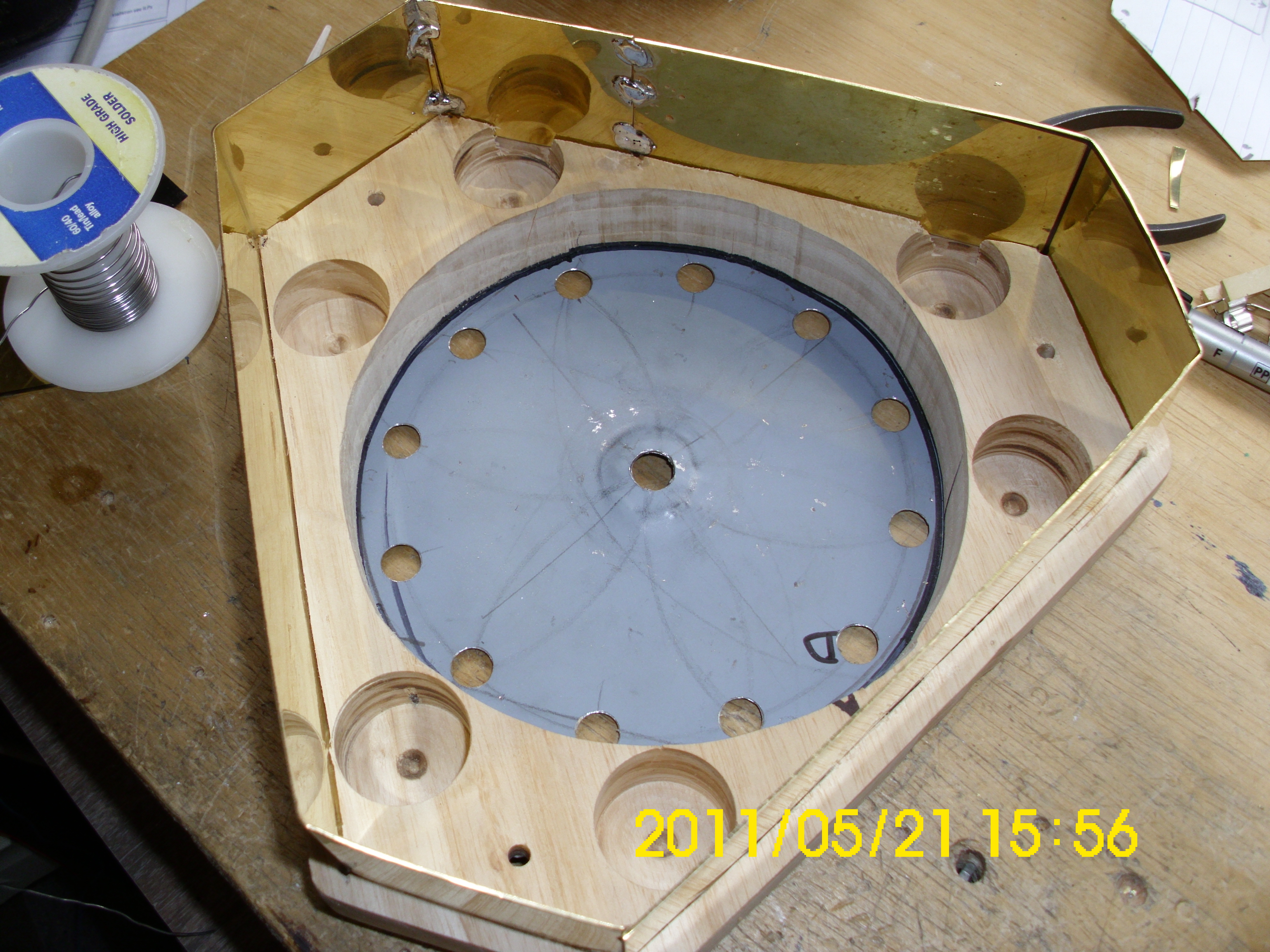
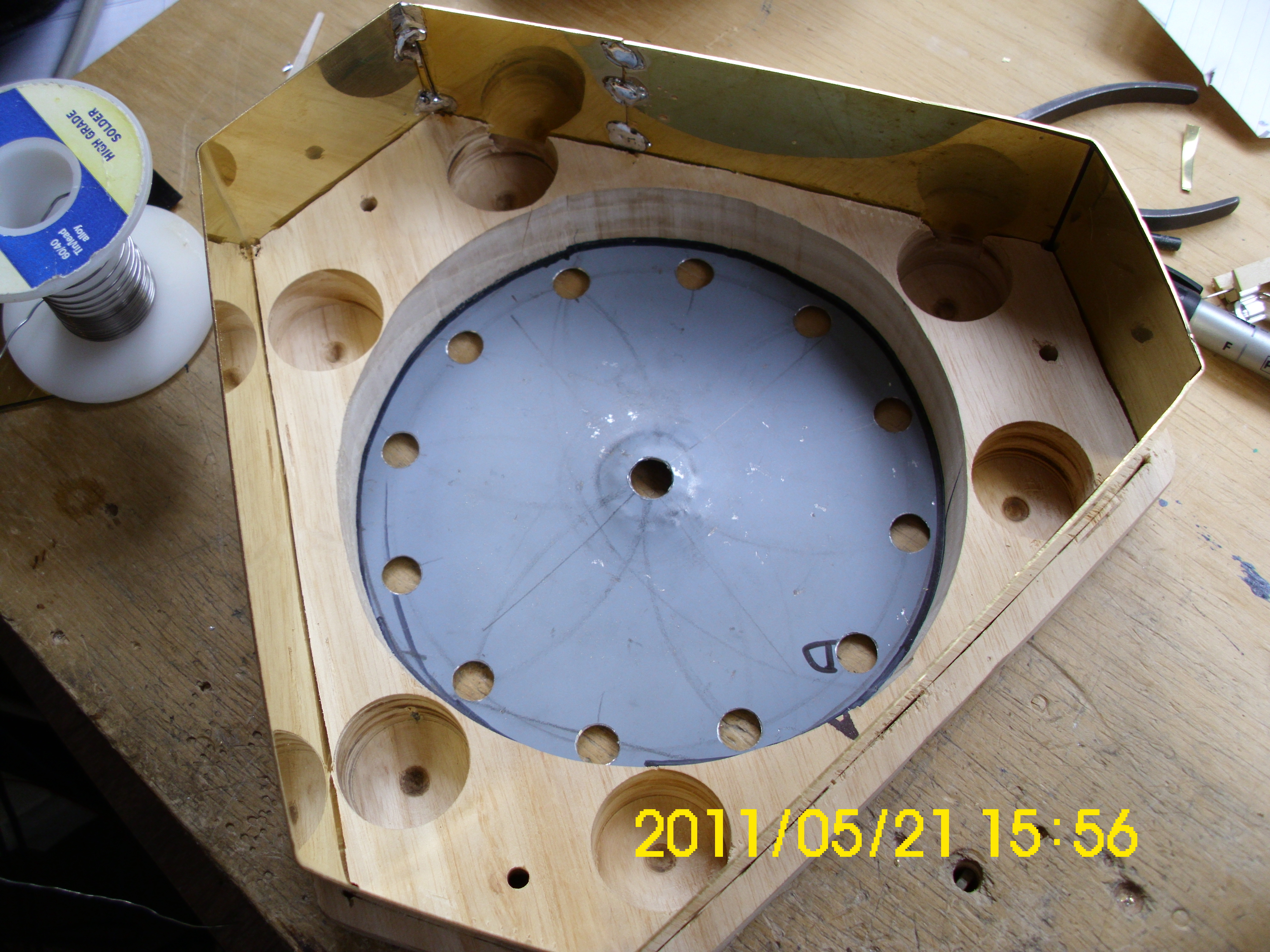
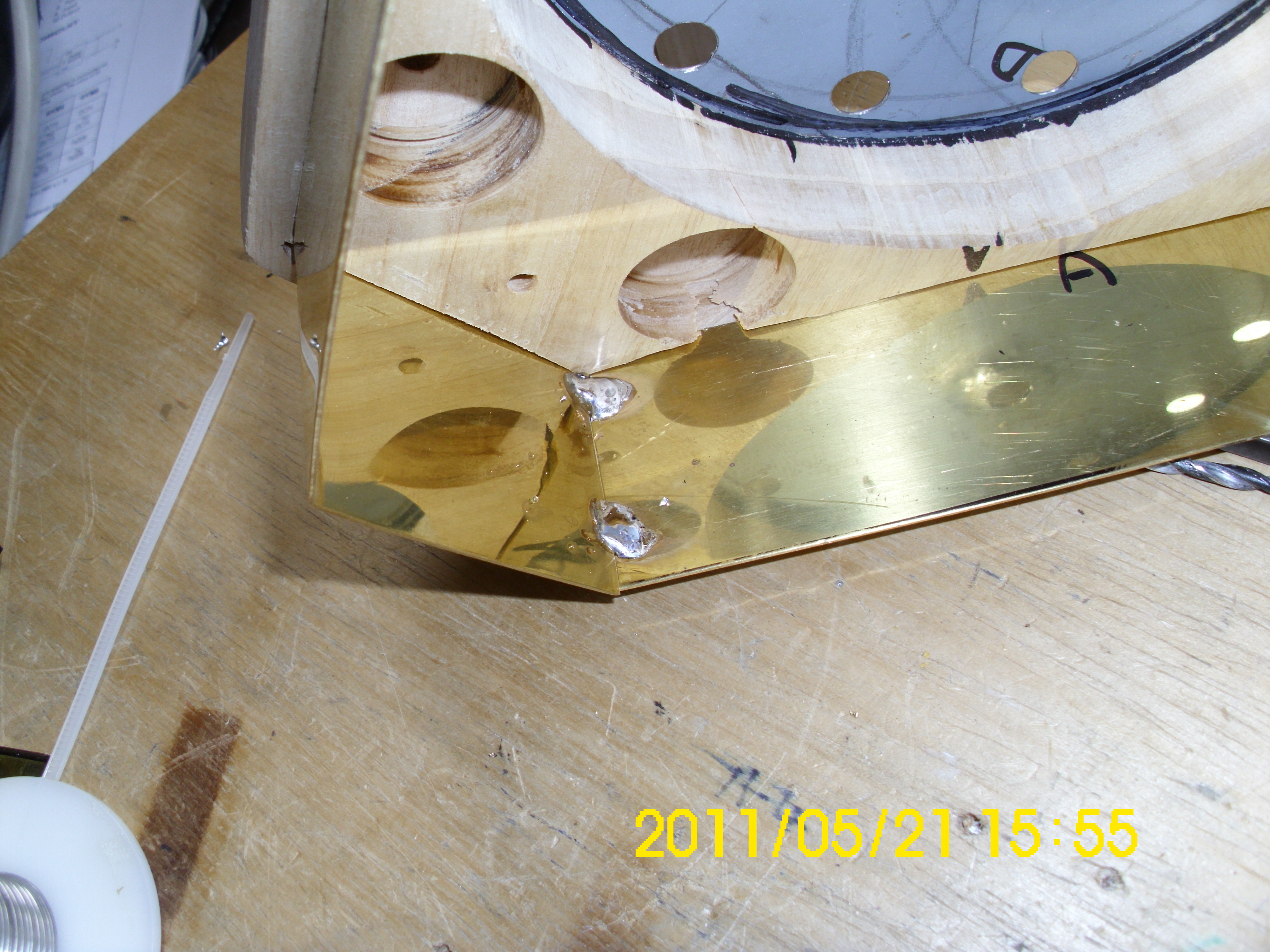
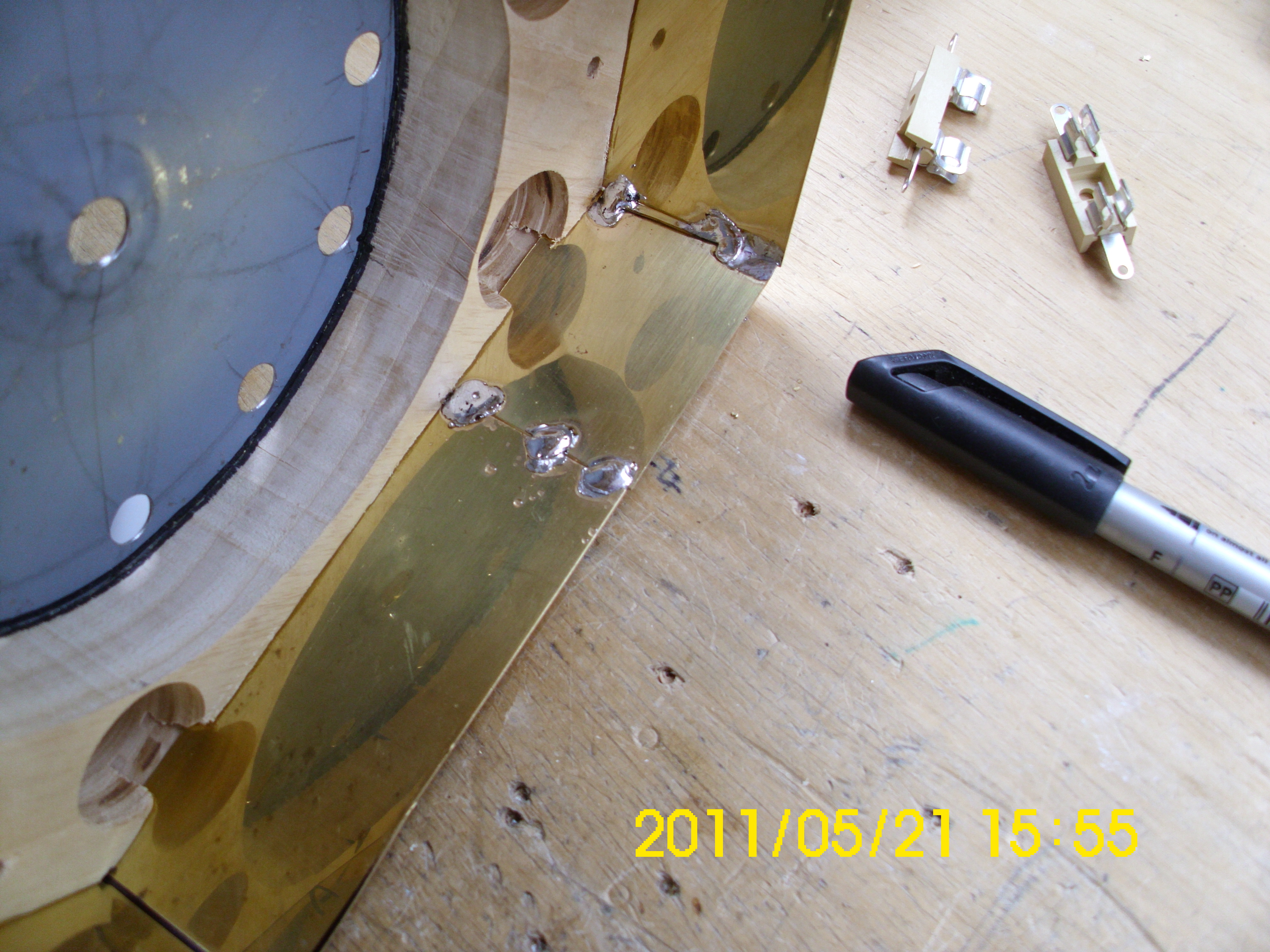
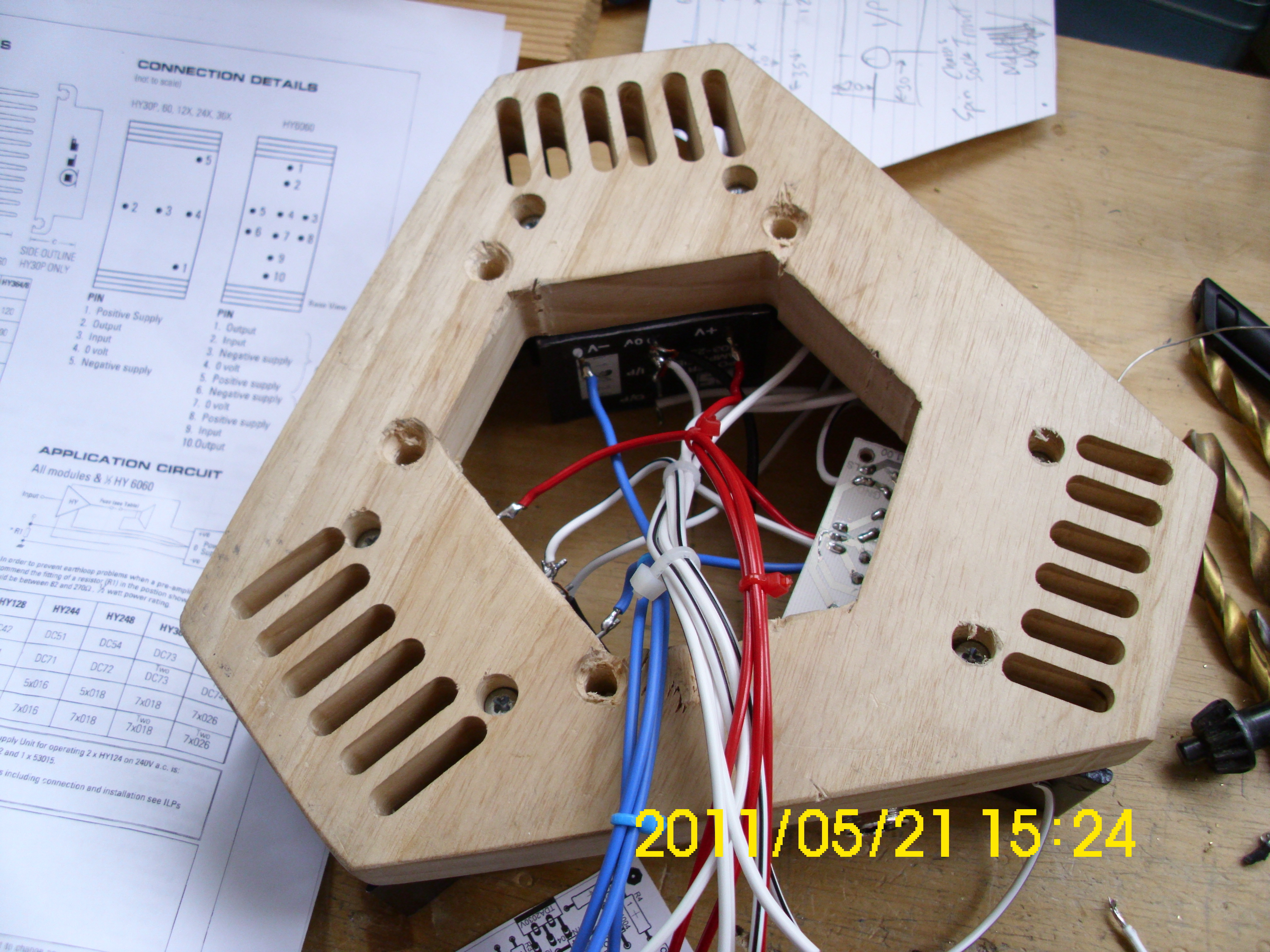
The Brass panels on the PSU are held in place in saw-cuts in the base slab done with a small circular saw (1.25 inch diameter) fitted in a small power drill. These panels fit into somewhat wider slots in the base of the middle-tier, which were cut using a small router bit fitted in the chuck of my smallest milling machine. The ventilation slots for the power amps were cut in the middle-tier, with a slightly larger router on the same machine. Using the X-Y table on the milling machine gives precise control over the cuts, resulting in a more accurate and neater cut than that obtained using a hand-held router.
Careful examination of the photos of the amplifier will reveal that the heatsink on the HY60 near-clone I built using the TDA2050A is slightly shorter than that on the original HY60s. I placed this unit at the rear of the amplifier, and the gap provides adequate space for a free-flow of air up the inside of the amplifier. No slots were cut in the bottom-side of the top slab, this is lined up and held firmly in place with three large woodscrews driven through the middle-tier upwards. The PSU is fastened to the middle-tier slab in a similar manner.
Safety should be paramount where mains voltages are concerned, and each Brass panel is connected with stoutish insulated wire to the brass panel on the PSU to which the Earth from the mains supply is connected. This was then connected via a 100 ohm resistor to the 0v line of the PSU. A similar wire connected to the transformer pan base is also connected to Earth.
For the 0v line on the PSU I used a small-diameter brass bar, which allows connections from the amplifier at any point in 360 degs. The +ve and -ve connections were done using reasonably heavy (10 amp) insulated wire. Look carefully at my photos of the PSU and you will see that a change of mind resulted in me cross-connecting colours on the capacitors, so that I ended up with a RED -ve wire and a BLUE +ve wire – don’t do this at home!
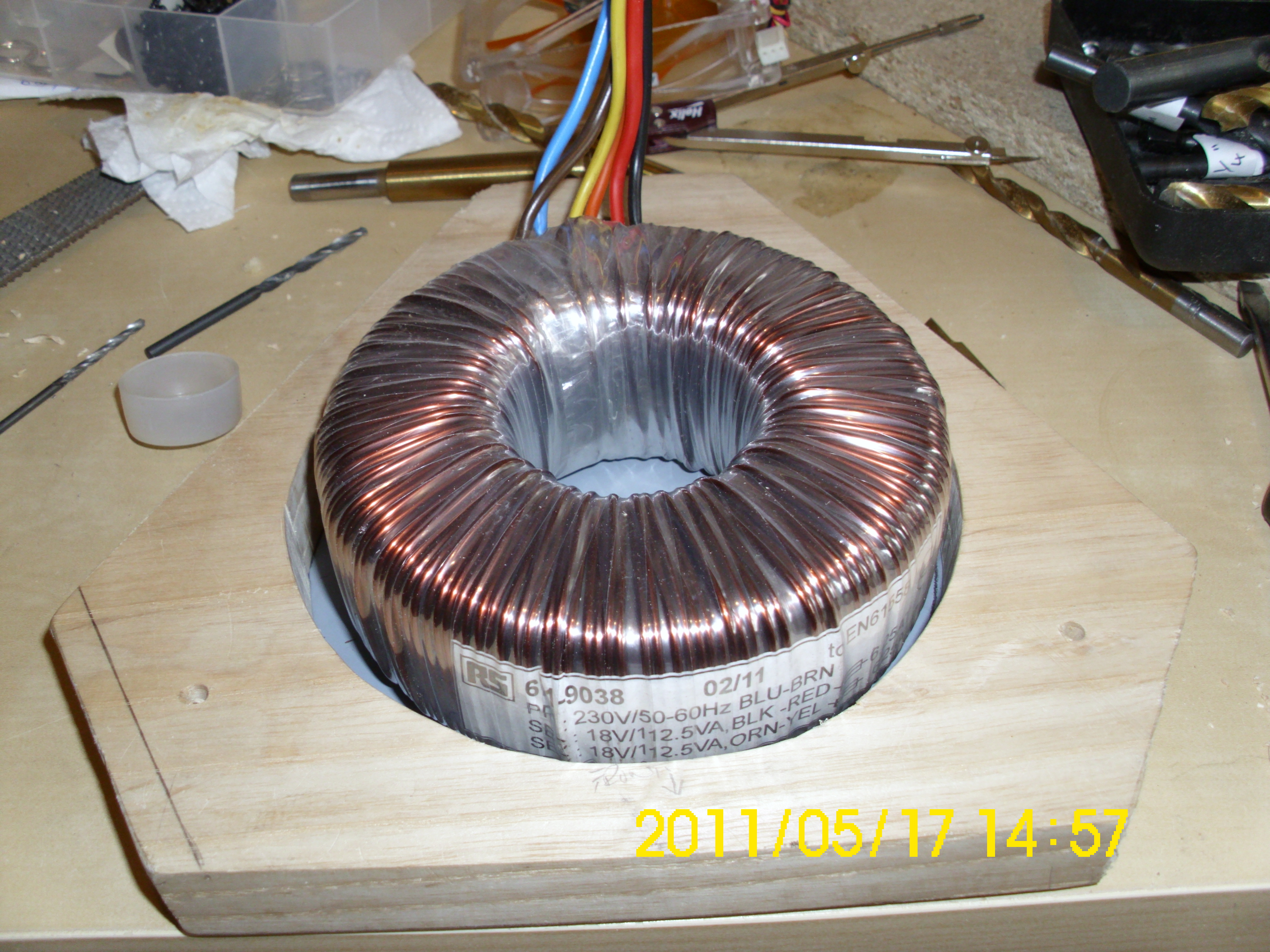
To have fitted two 20,000uF capacitors would have resulted in a larger case, so I substituted these for two sets of 3 X 6800uF, and sited these by drilling receptacles in the base slab using a Forstner bit. The bridge rectifier is fastened to one of the small Brass panels using a little silicone grease to aid cooling. Note that I made the transformer pan cut-out slightly larger than the Tx itself, to allow for the free flow of air around the periphery, via holes drilled in the pan base. The transformer (which I bought from RS components) came without a fitting kit (I had assumed this was included). I improvised bottom and top gaskets cut from a cheap silcone heat mat, and the top fixing plate from 22 gauge Aluminium.
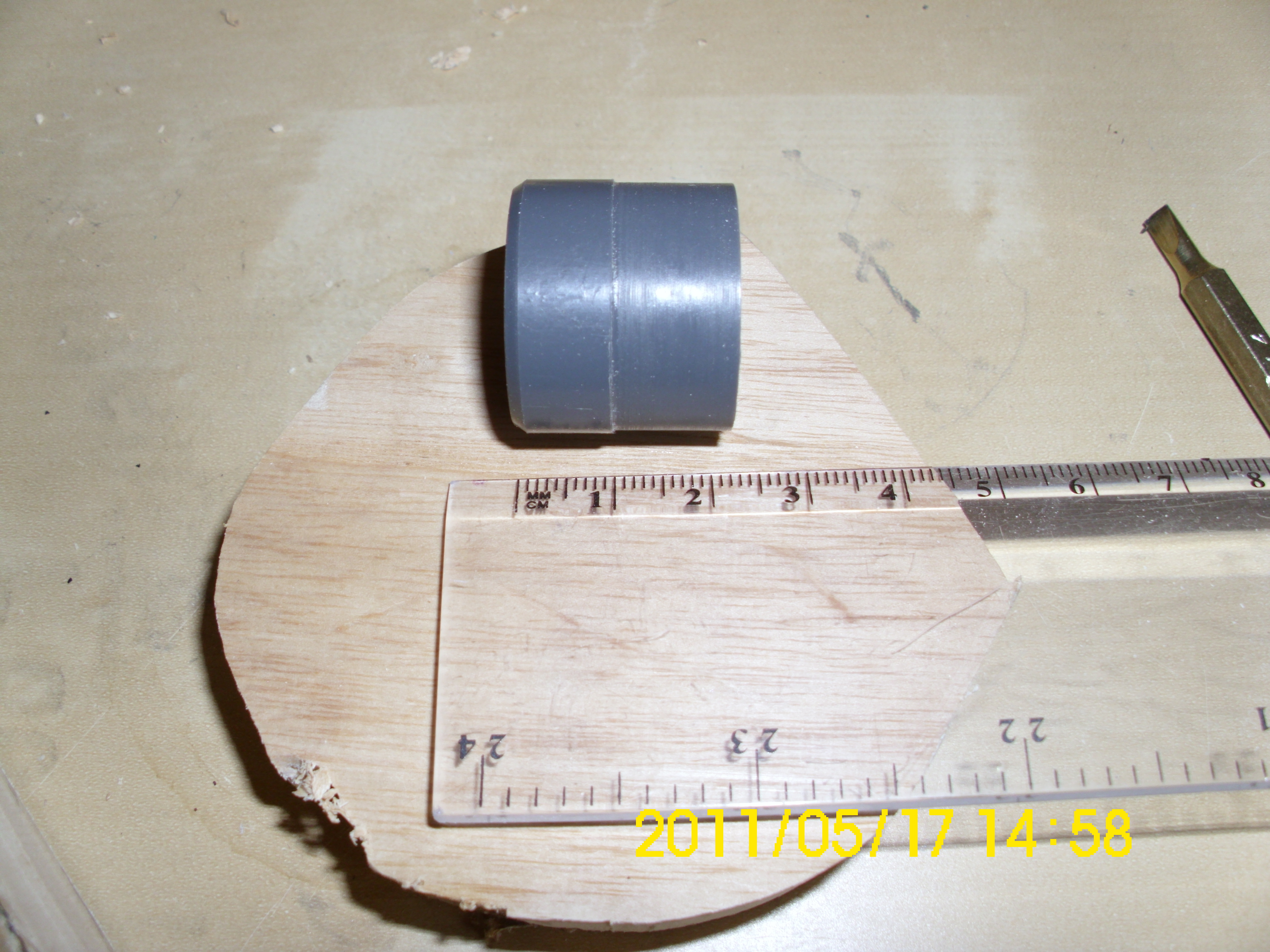
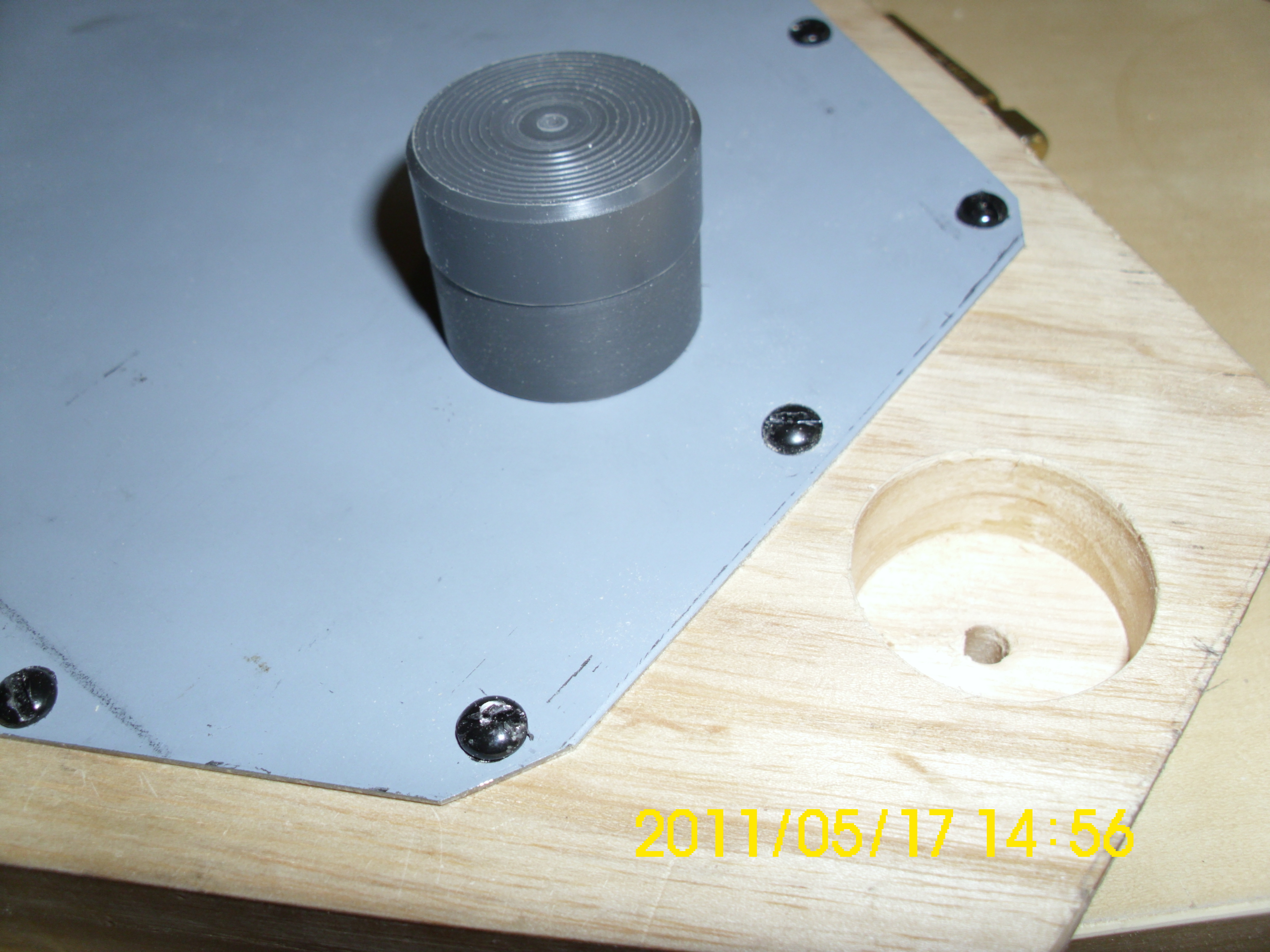
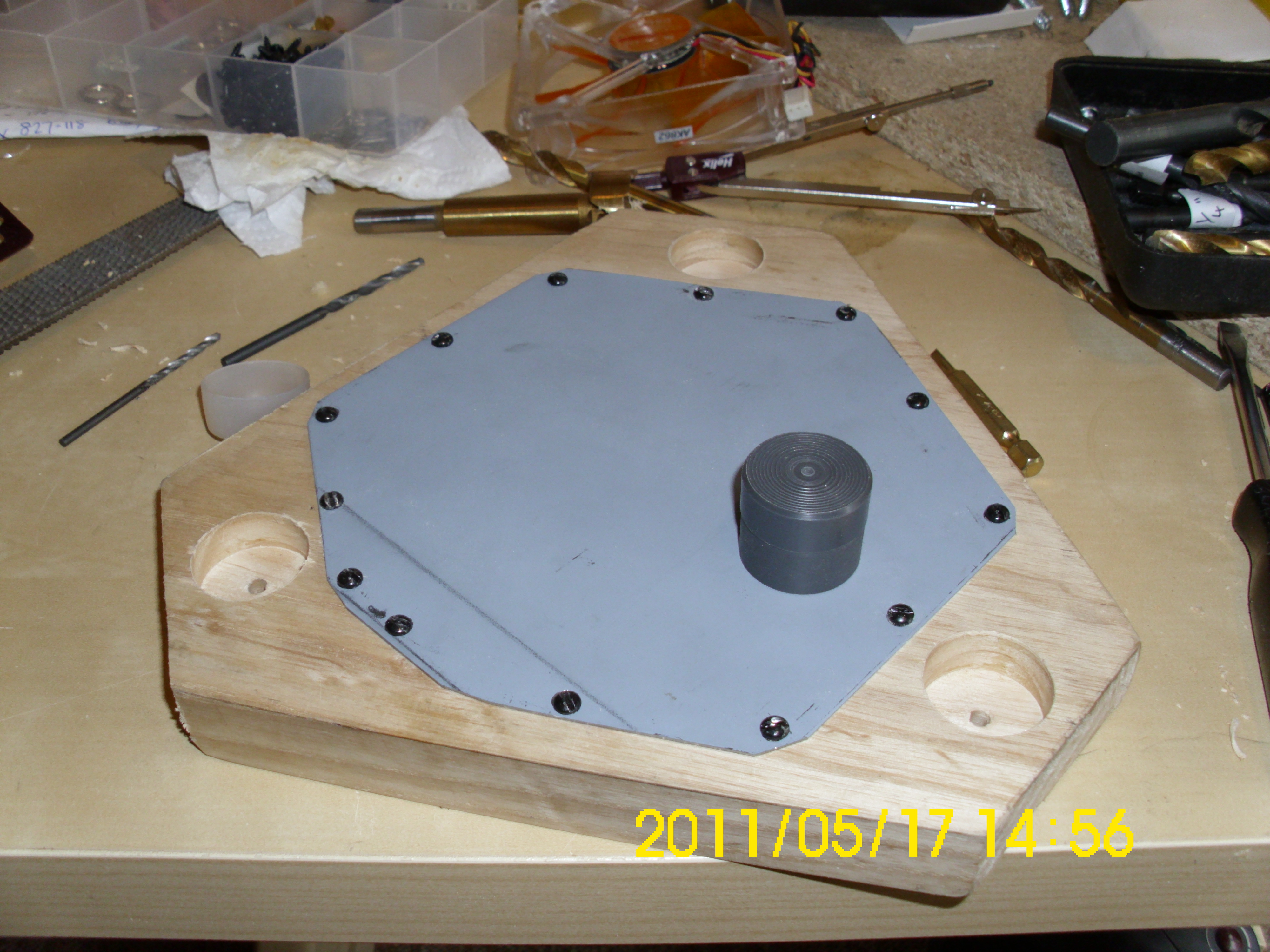
Finally, the unit sits on three feet approximately 12mm high, to allow for the free passage of air up through the ventilation holes in the base plate of the transformer pan. I made these from ABS, but similar feet are available commercially. These sit in receptacles drilled in the bottom of the base slab and were glued using a latex-based adhesive.
Overrated PSU?
Yes, it is, but deliberately so. I wanted the facility to extend/expand the unit either to more channels and/or greater power, hence the over-specced transformer used.
Suppliers:
[ The following information was true back in 2010 ]
I purchased the transformer from: RS Components here: http://uk.rs-online.com/web/. The stock number being 6719038 (Toroidal transformer, 225VA 2X18V).
A similar unit is available from ESR here: http://www.esr.co.uk/. Stock number 328-018 (Toroidal Transformer 225VA 0 – 18, 0 – 18 (22518))
ESR can also supply the TDA2050s, as well as the PCB laminate etc., and all other electronic components.
The heatsink I used was also from RS. and the stock number for this is: 1898066 (Heatsink SK100 37.5 SA)
The Shape – apes that of ‘Treslie’.
Construction photos given in reverse-order (Show what I wanted, and how I achieved it)
Views of completed unit.
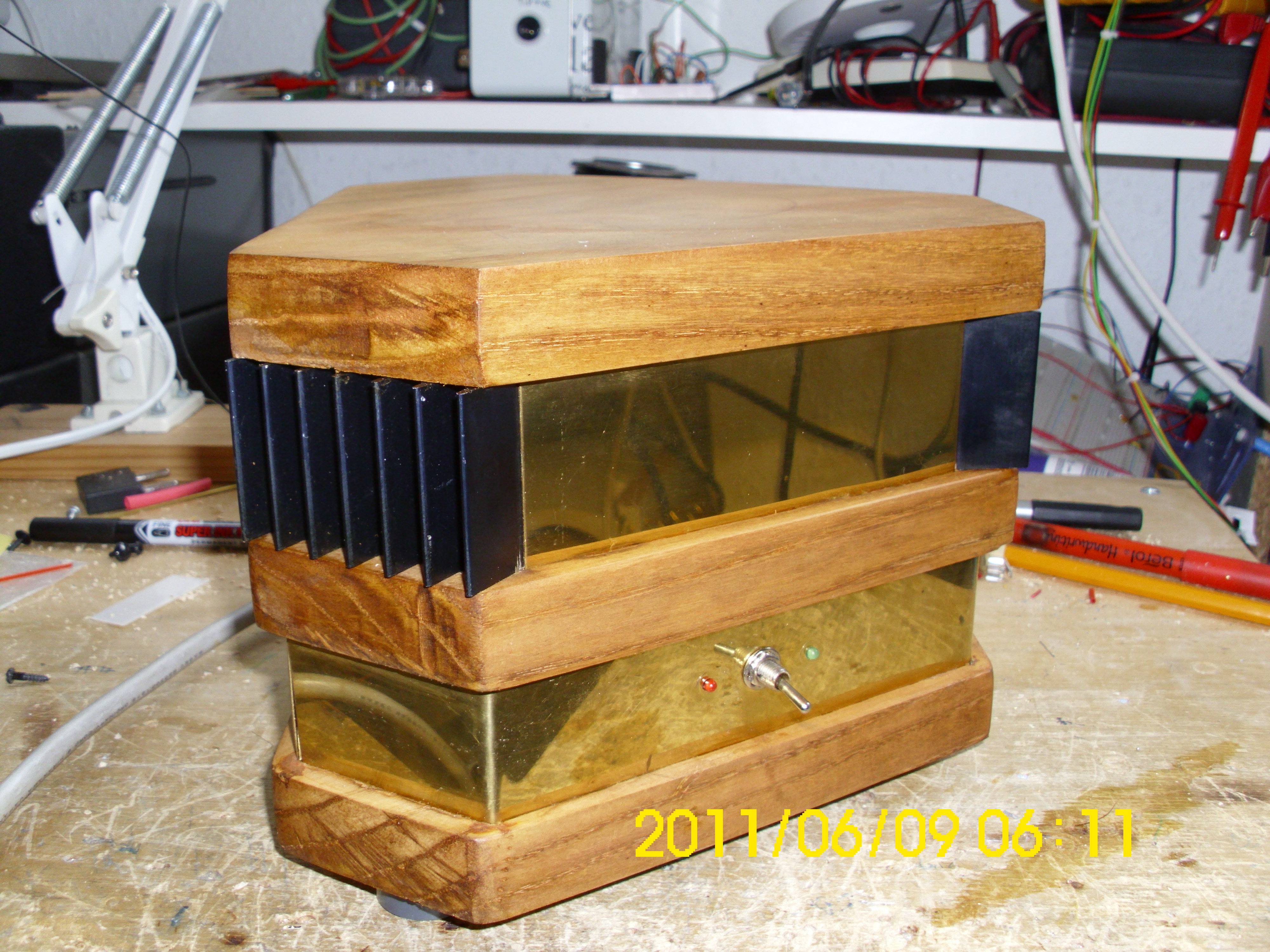
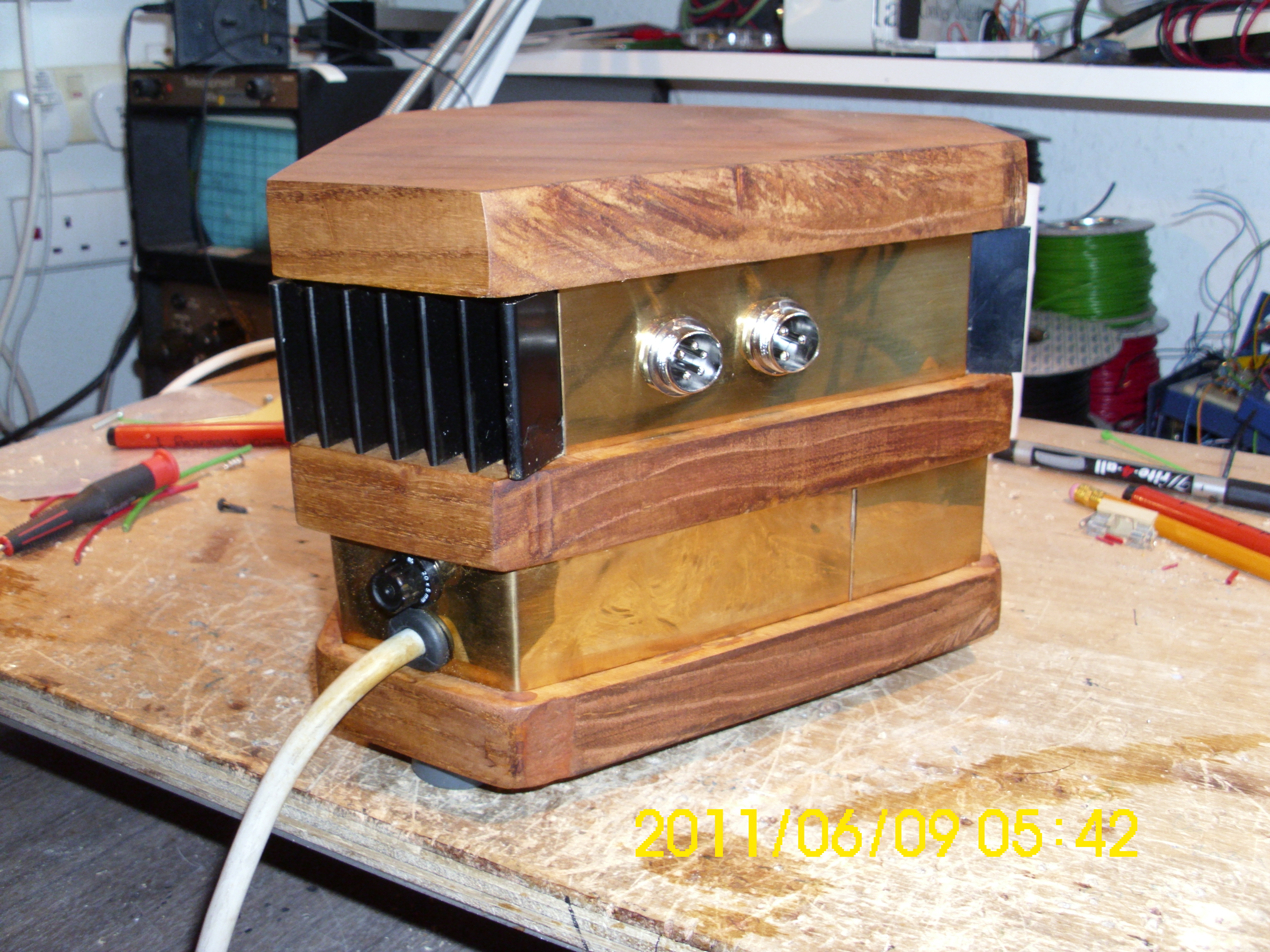
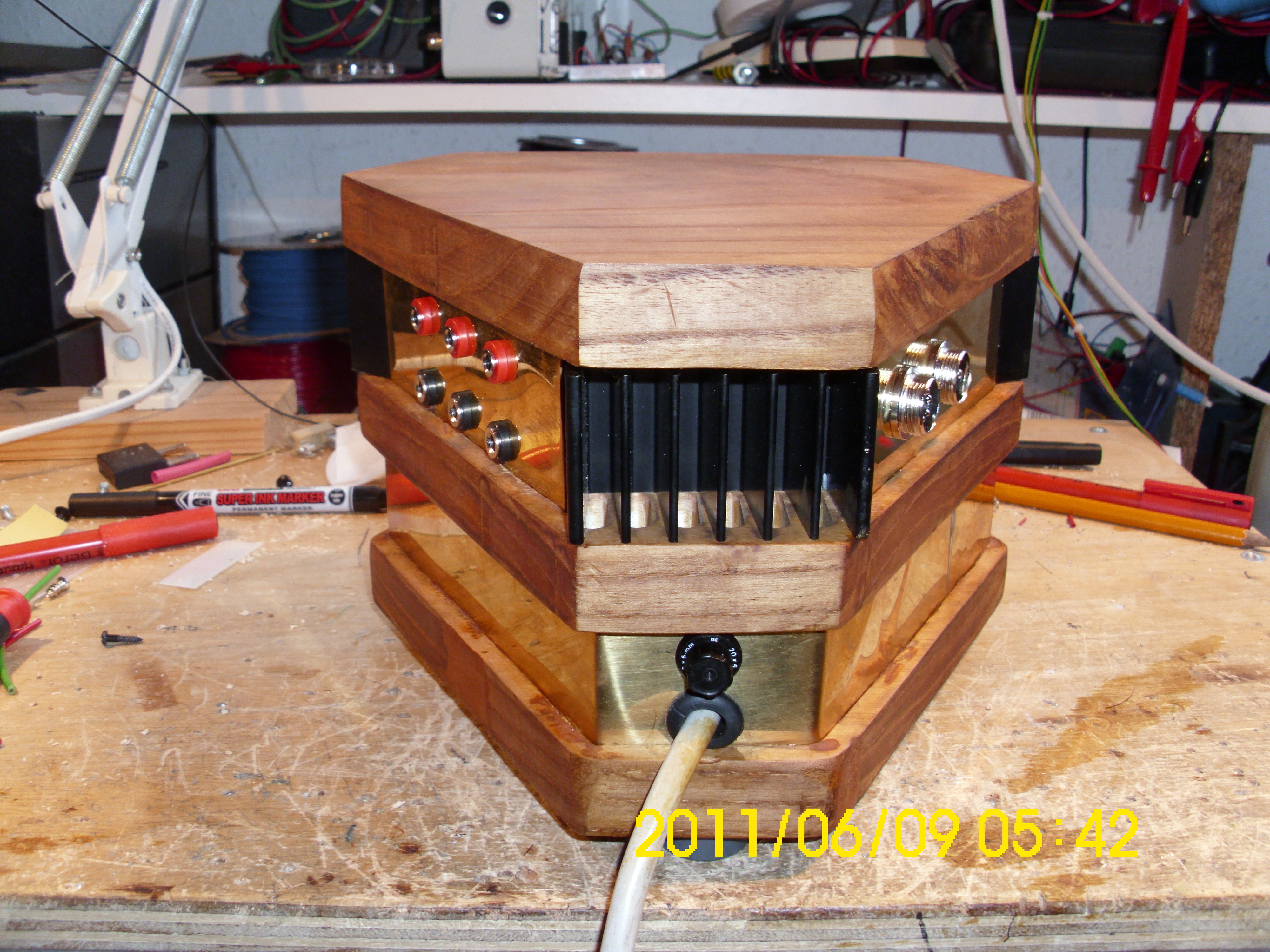
Last stages of construction and testing.
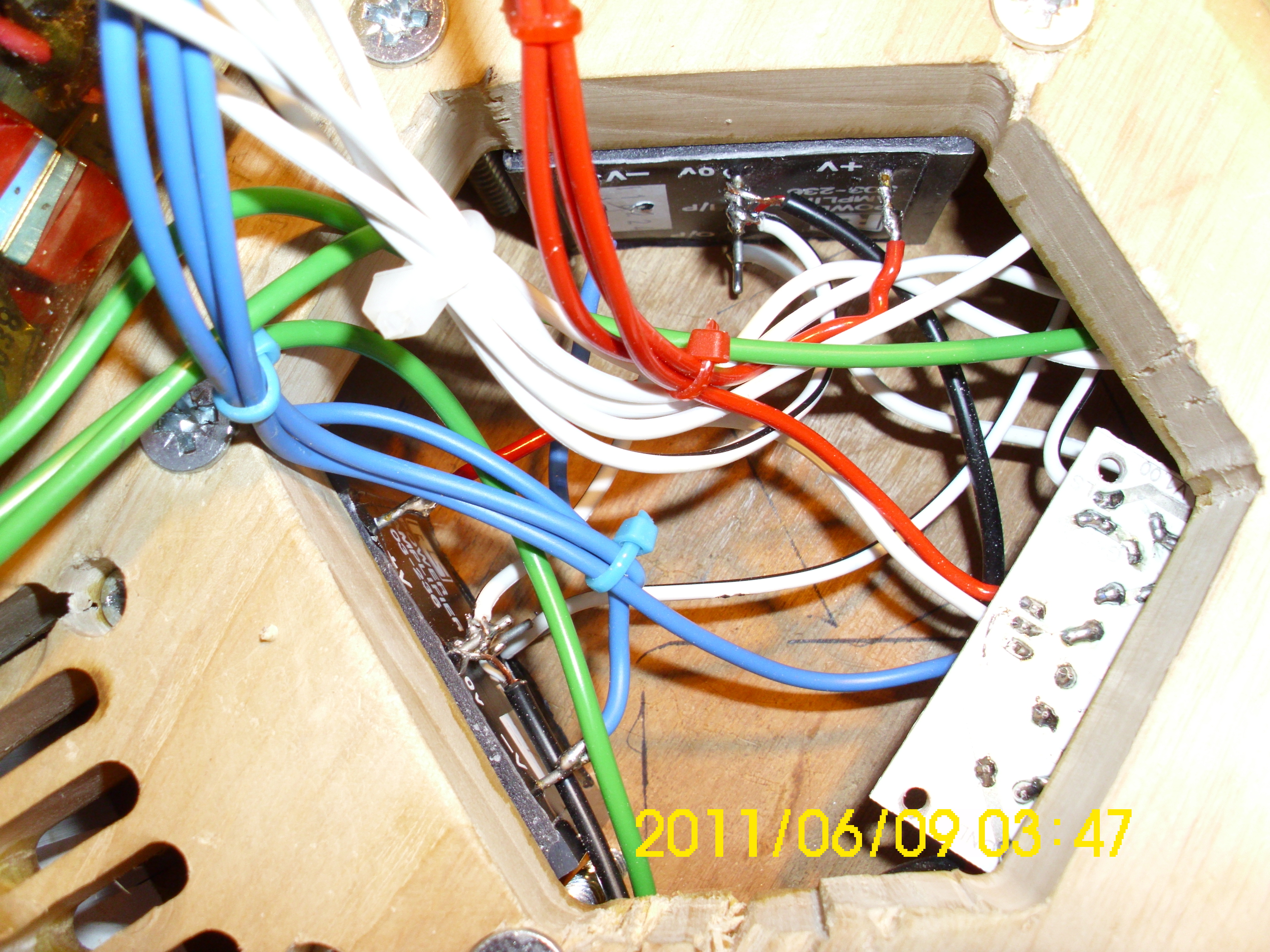
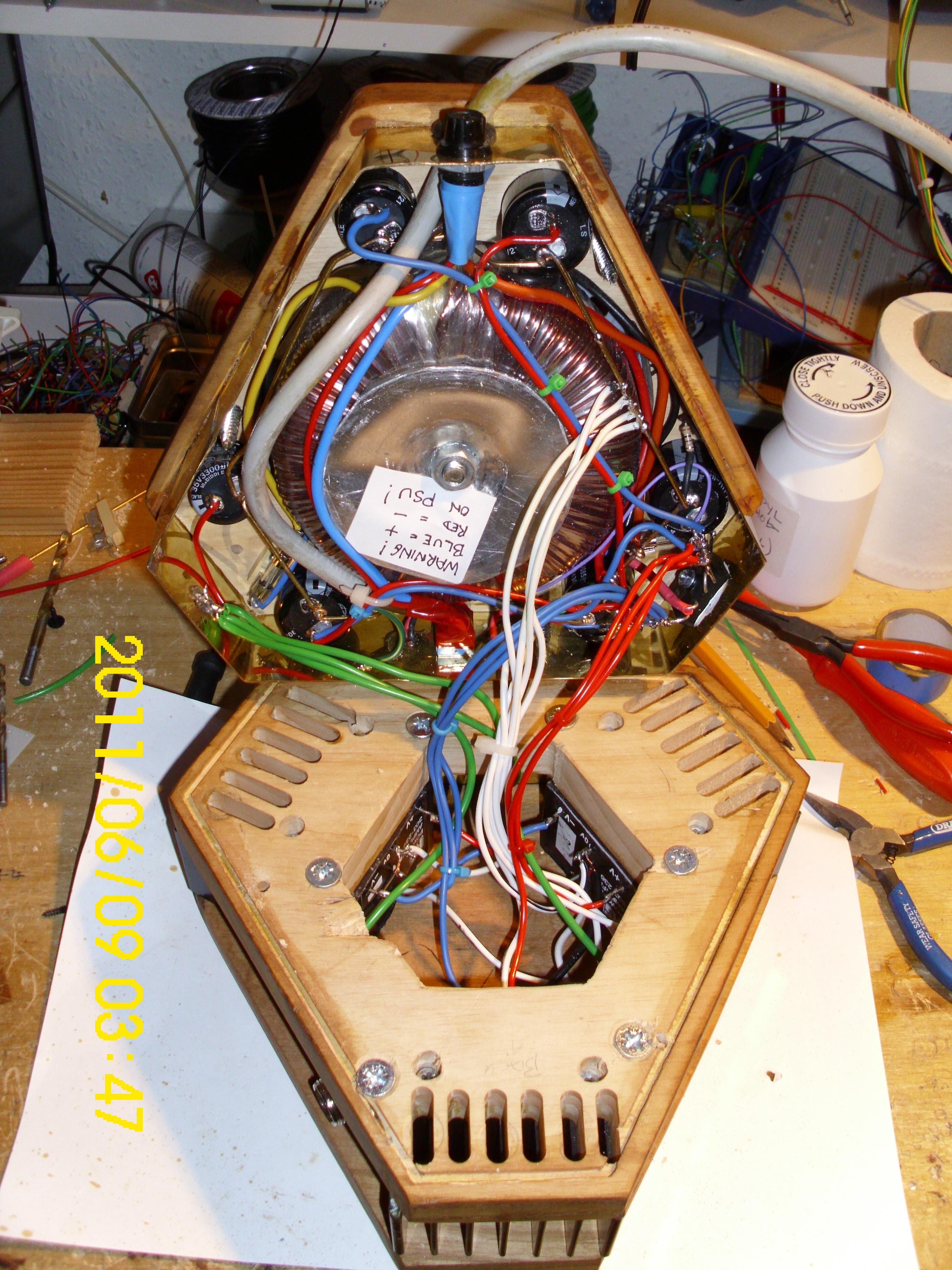
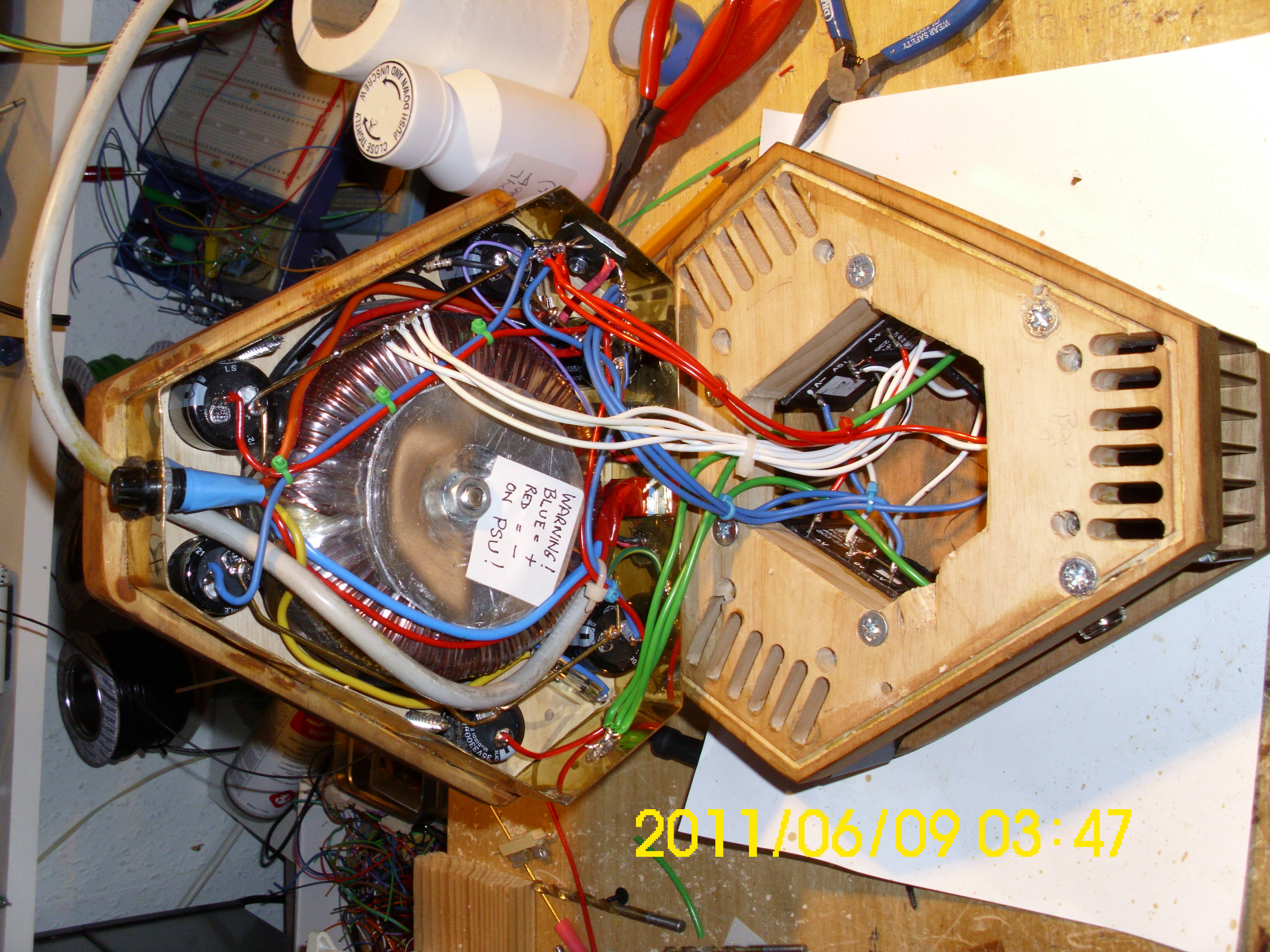

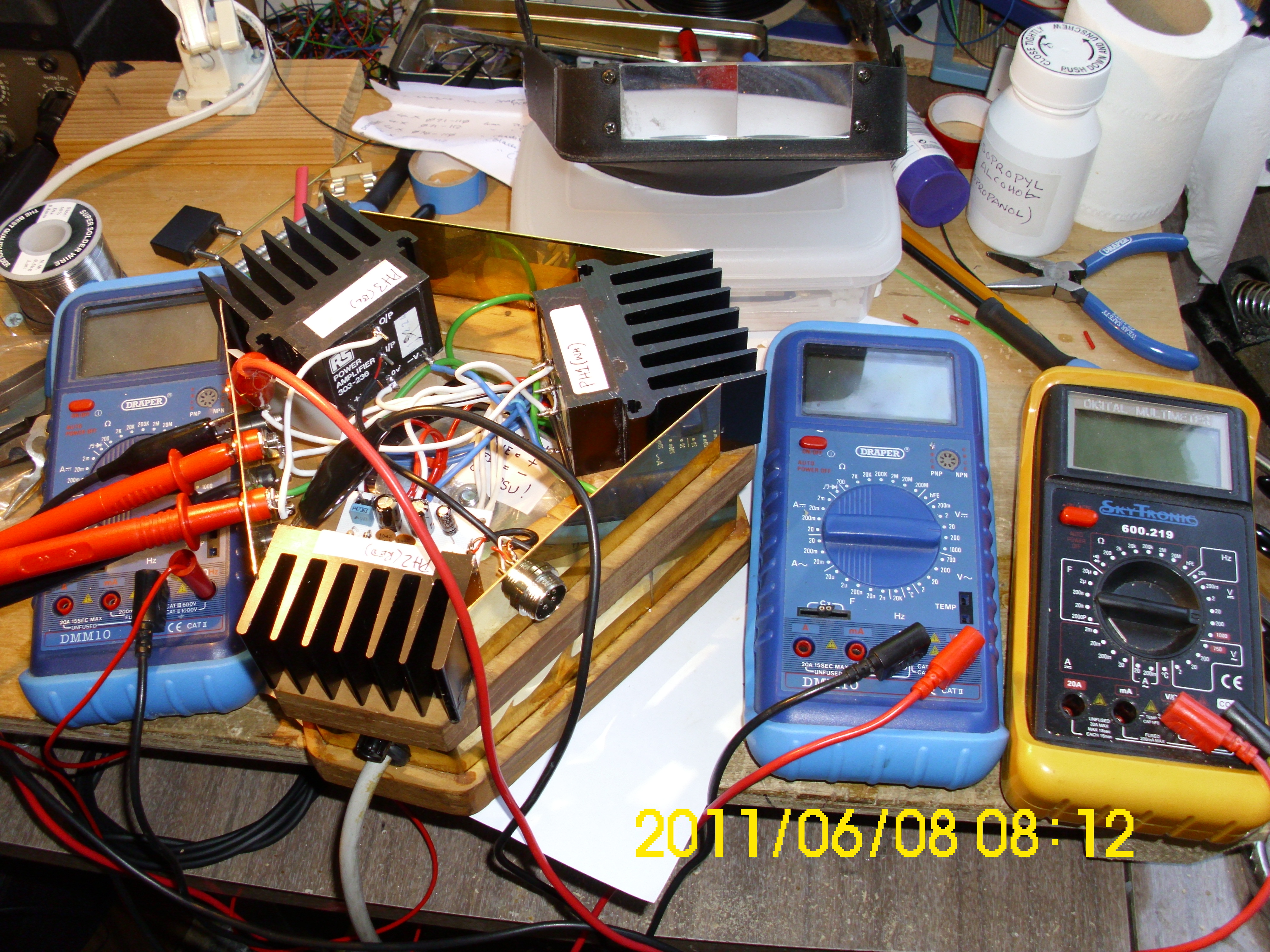
—
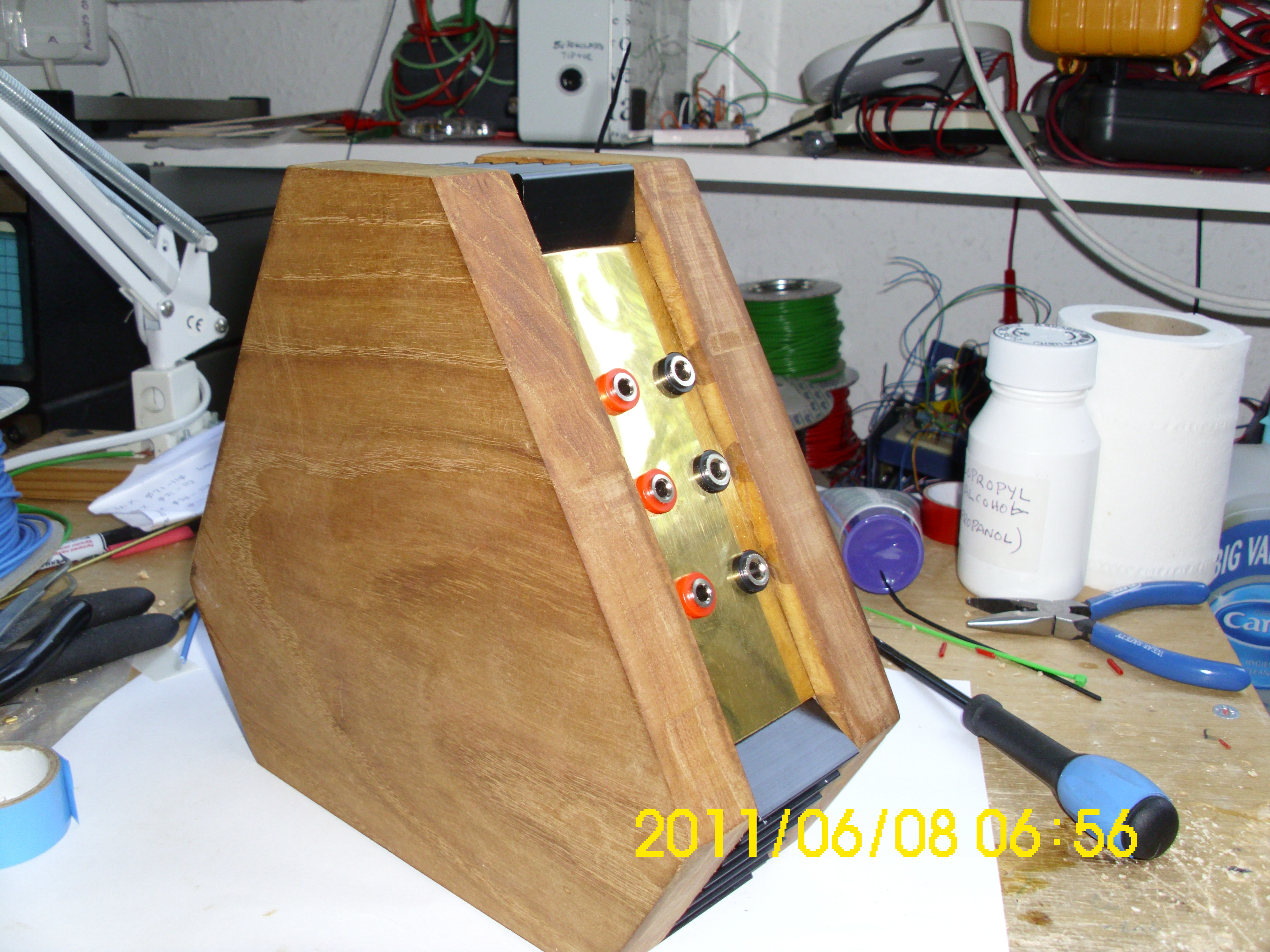
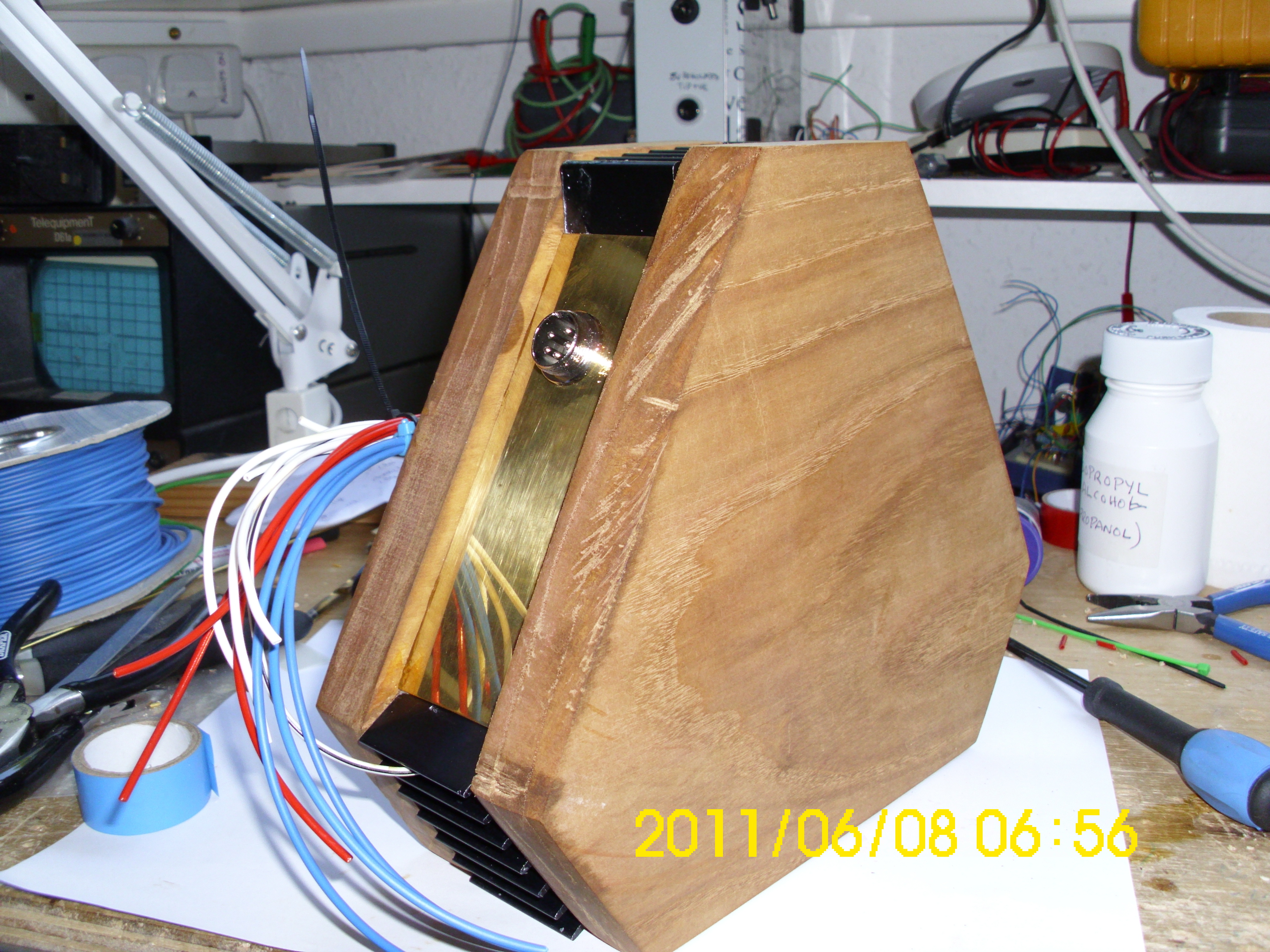
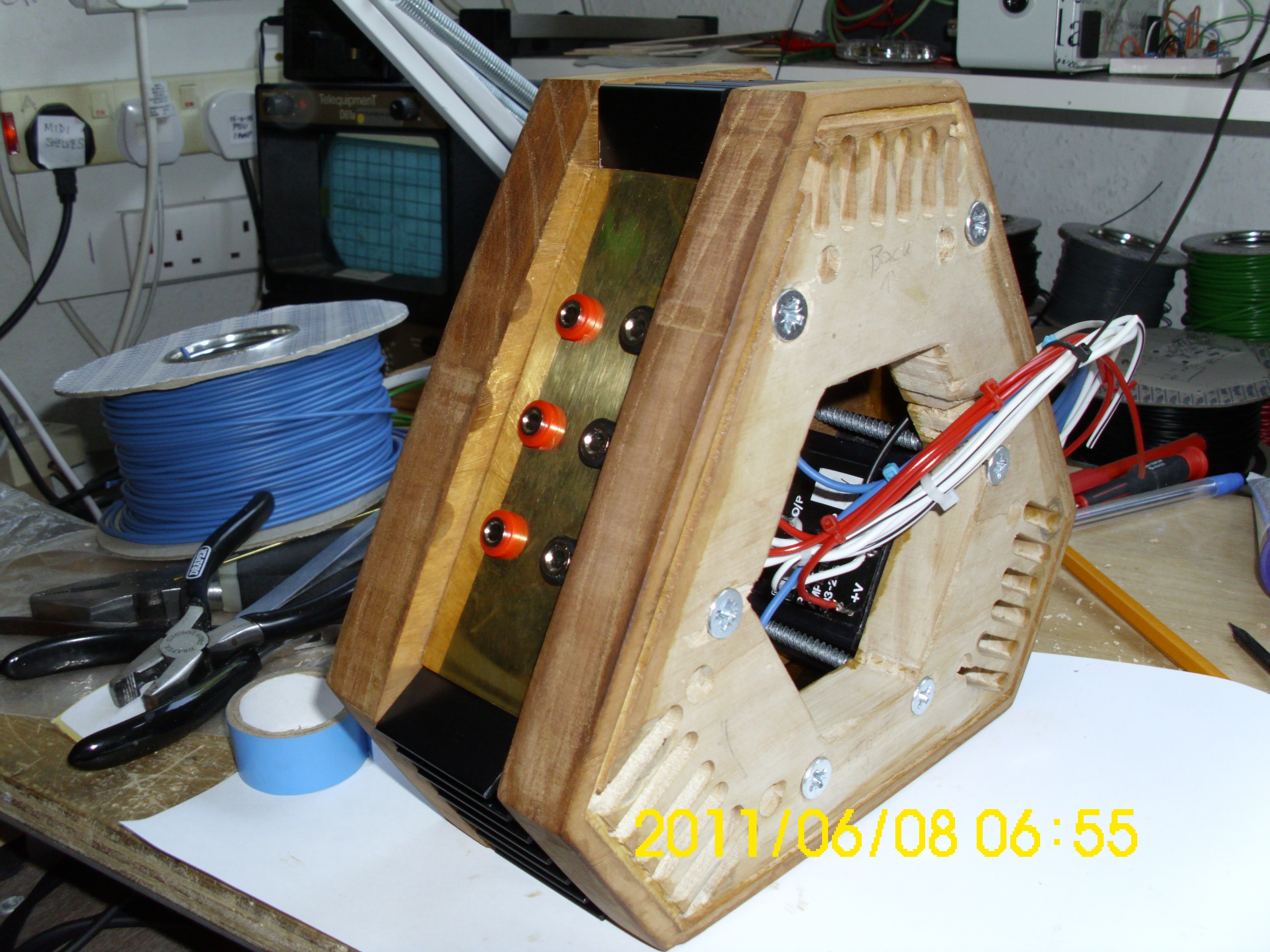
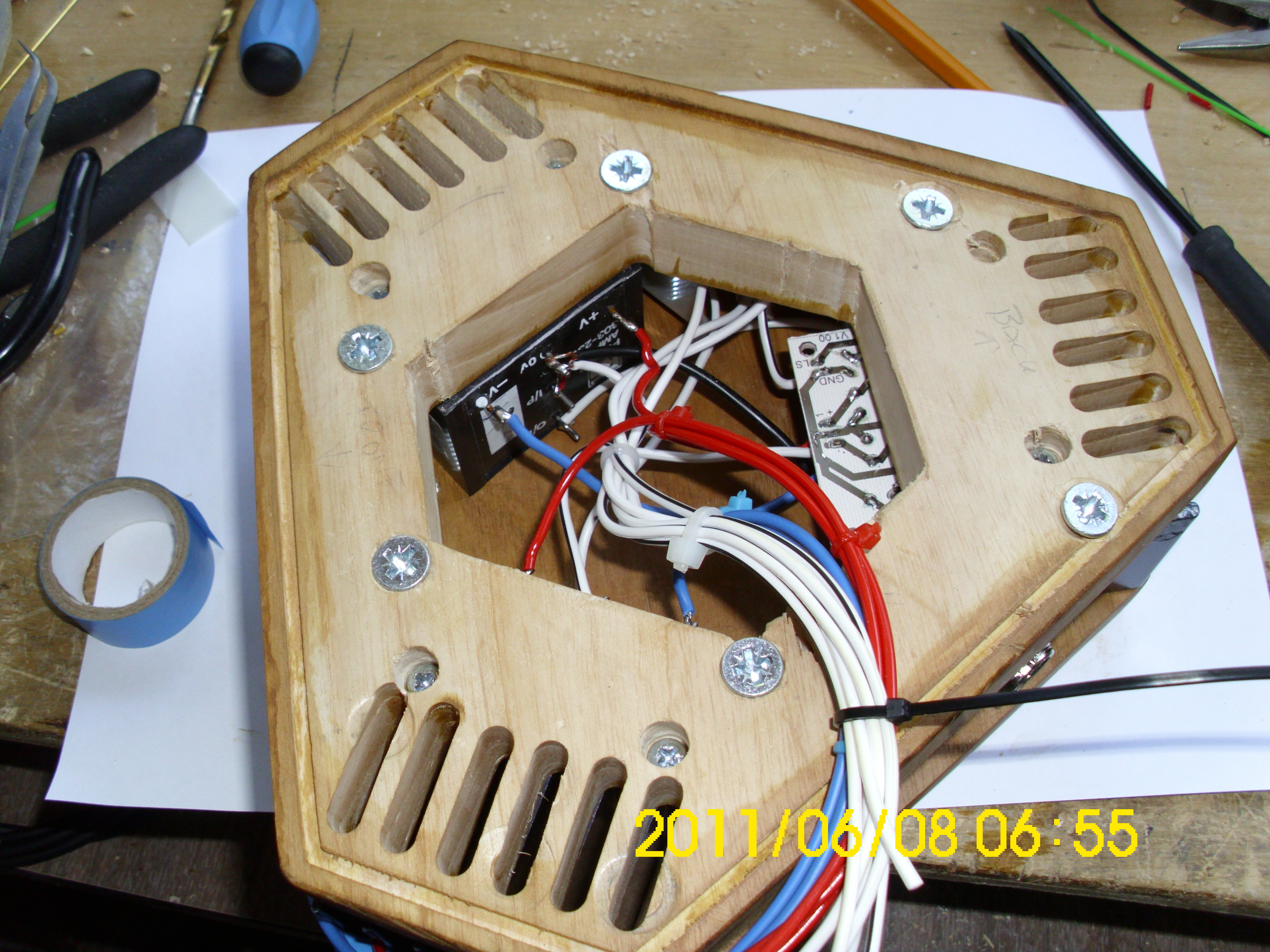
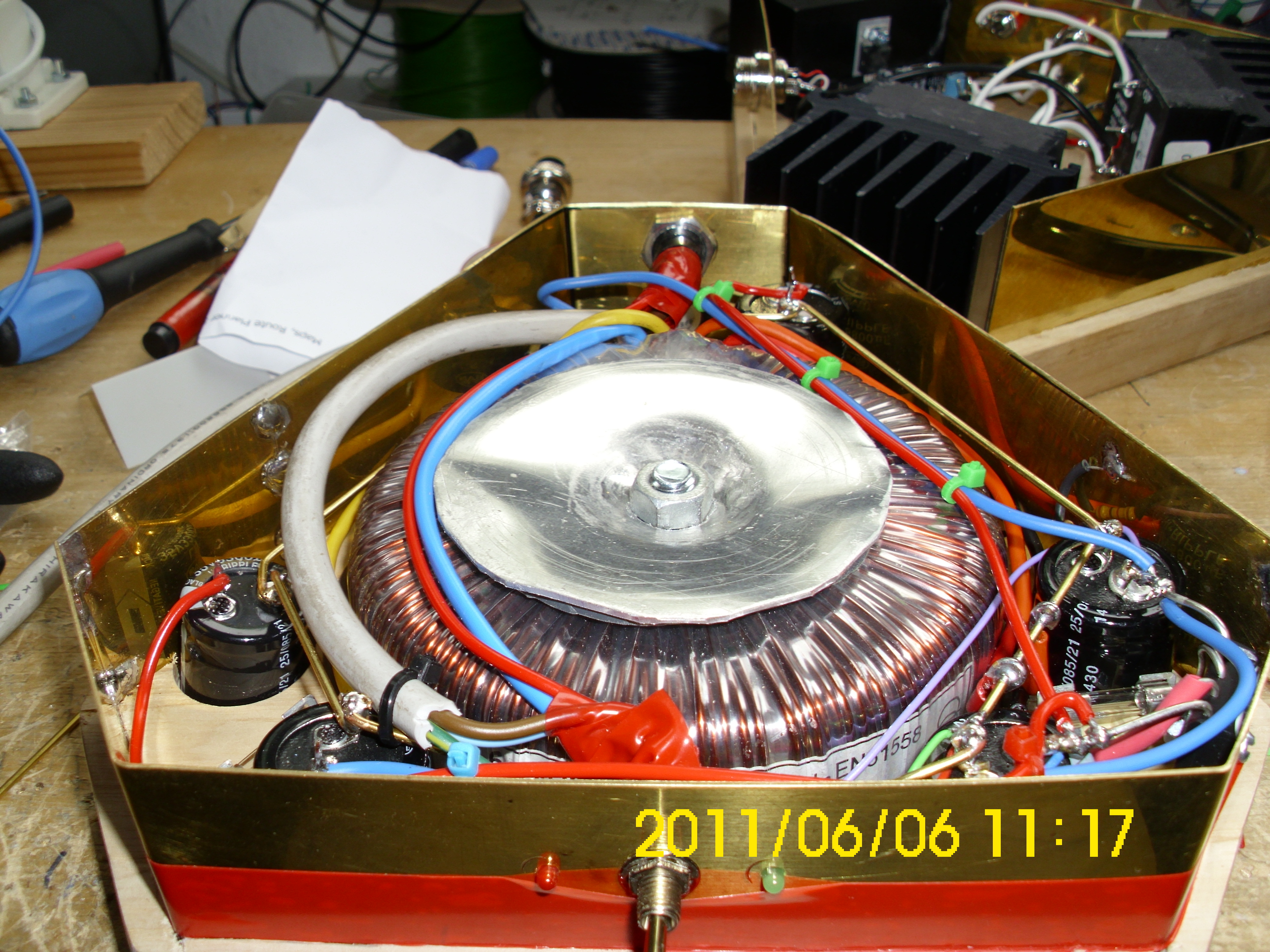
—-
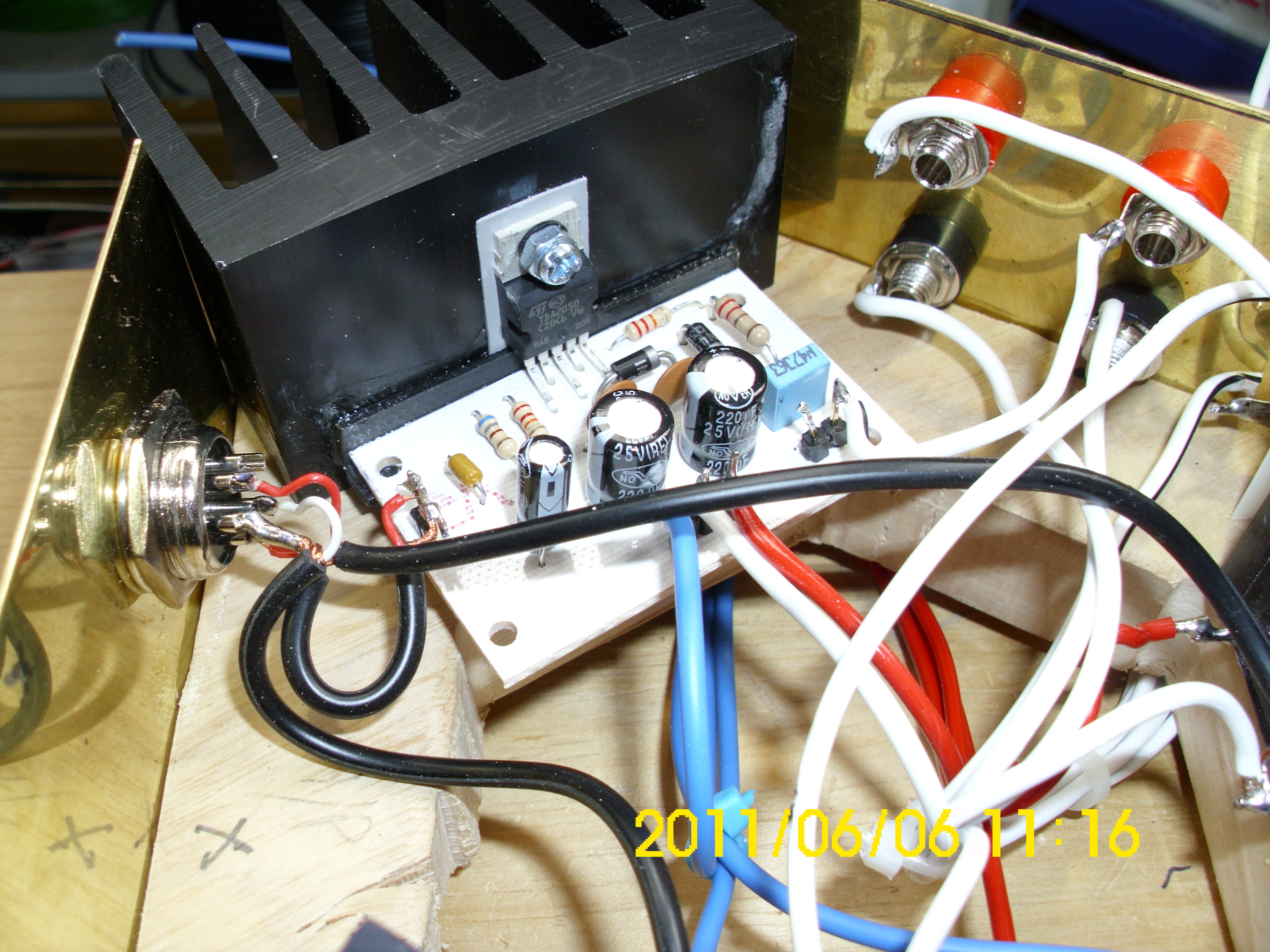
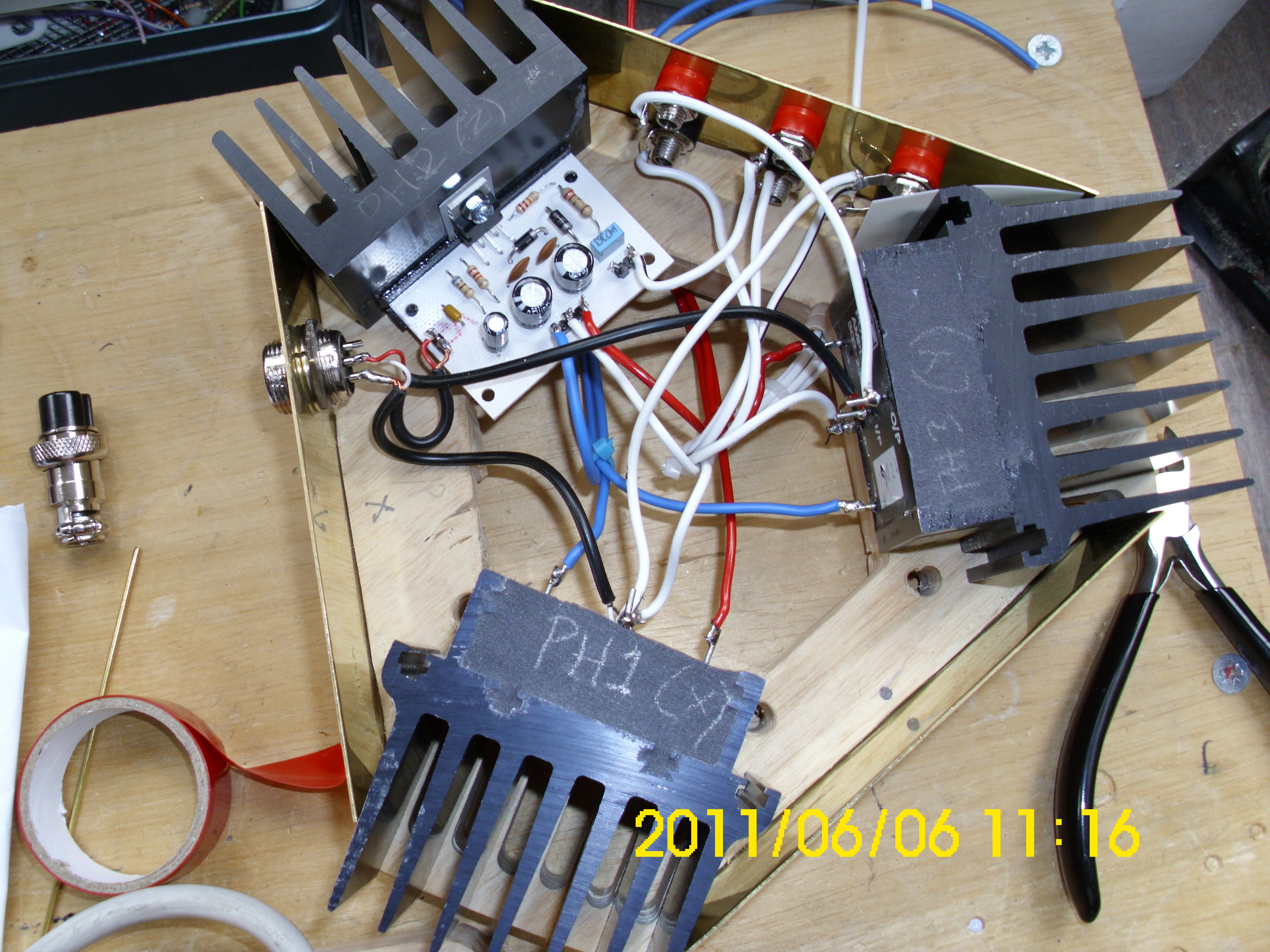
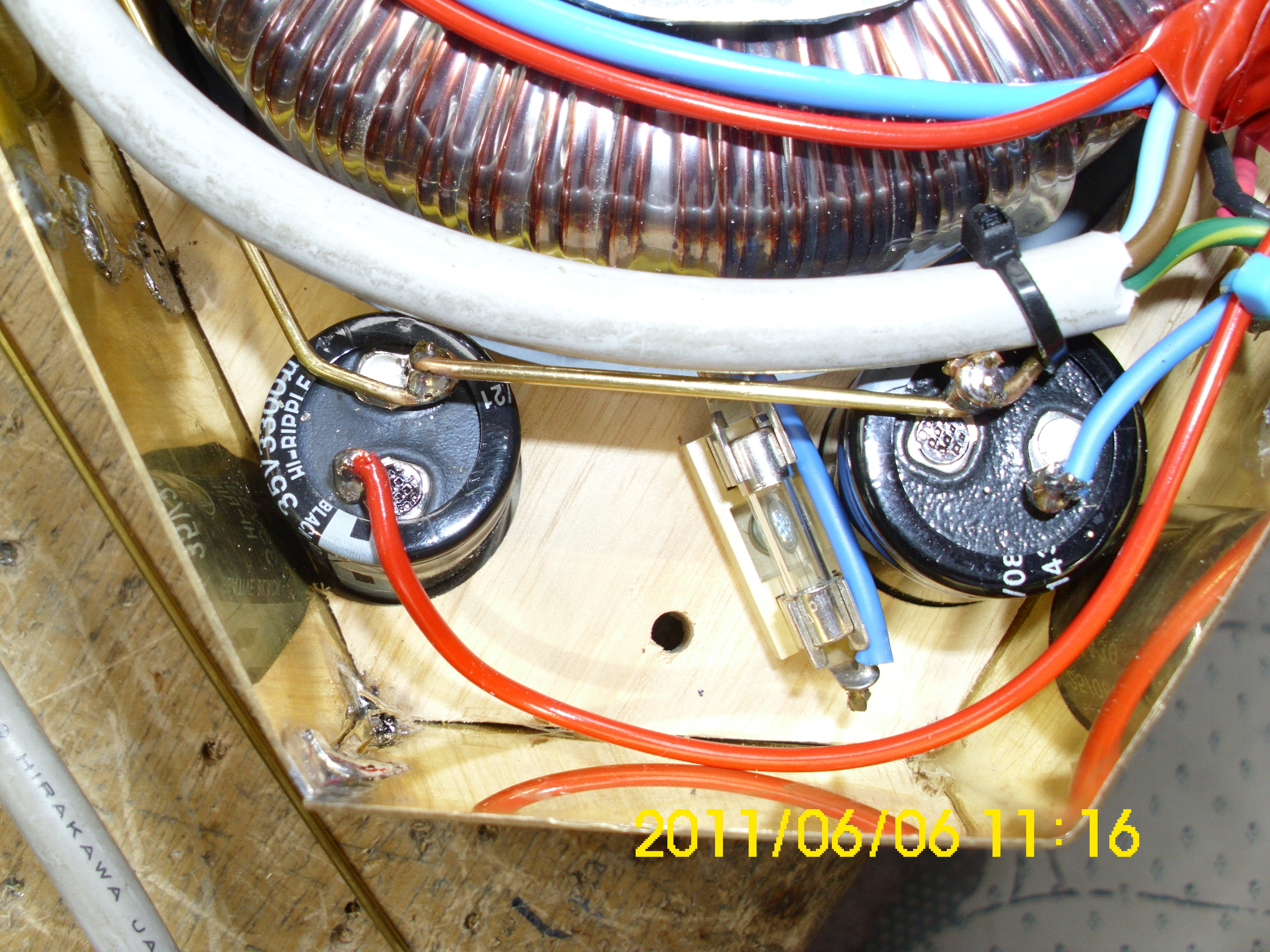
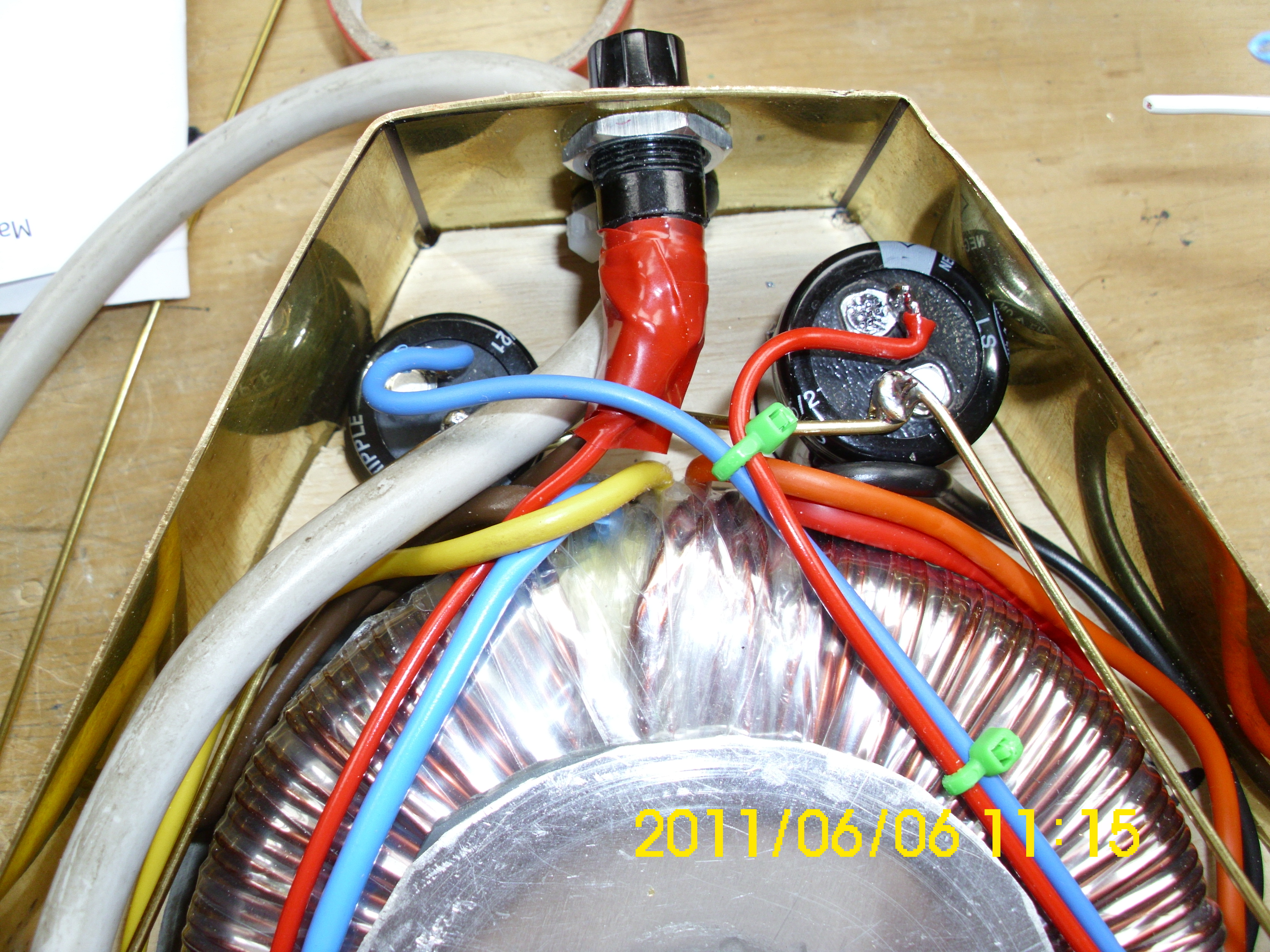
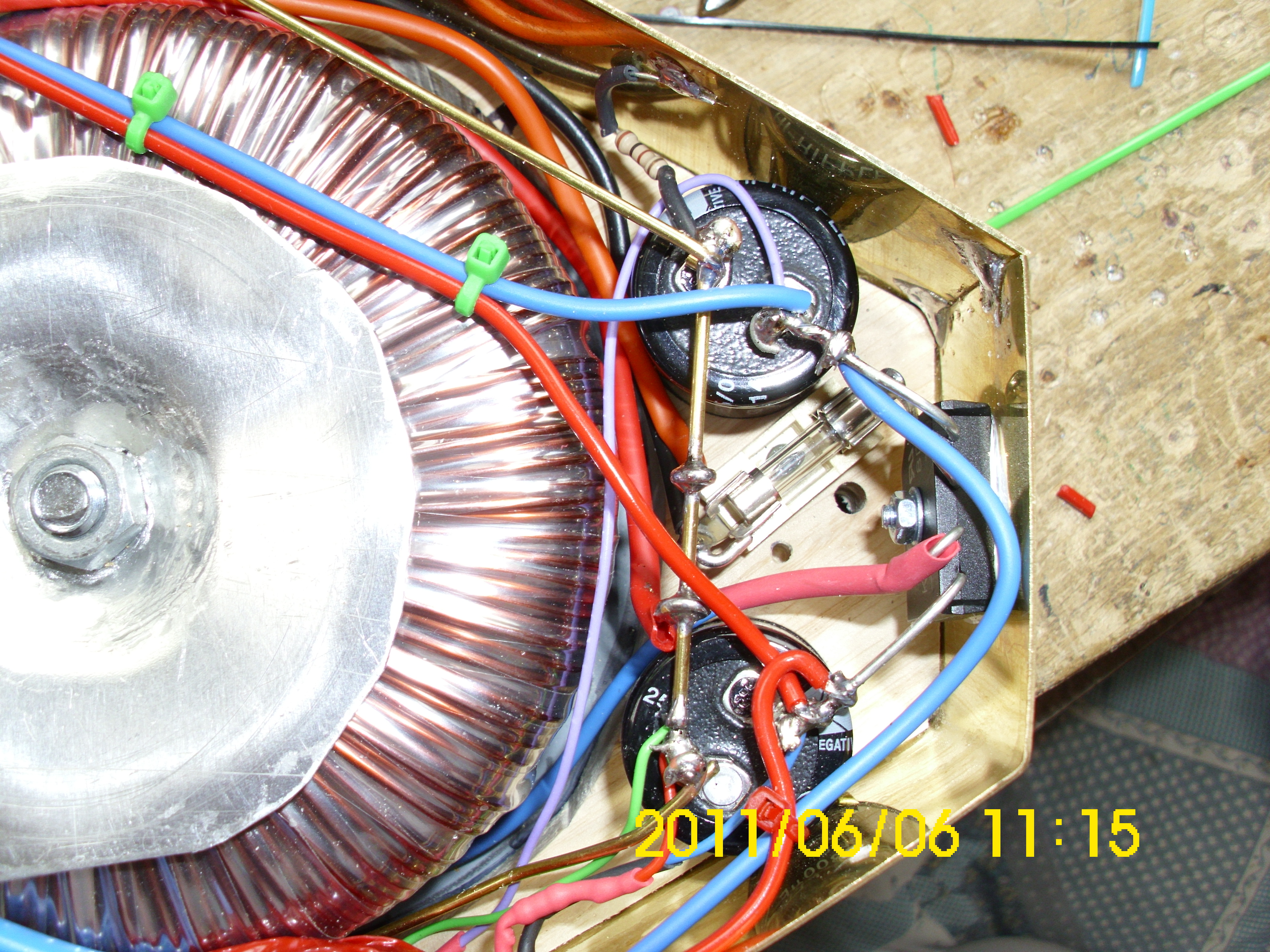
—
—-
—
A close-enough match









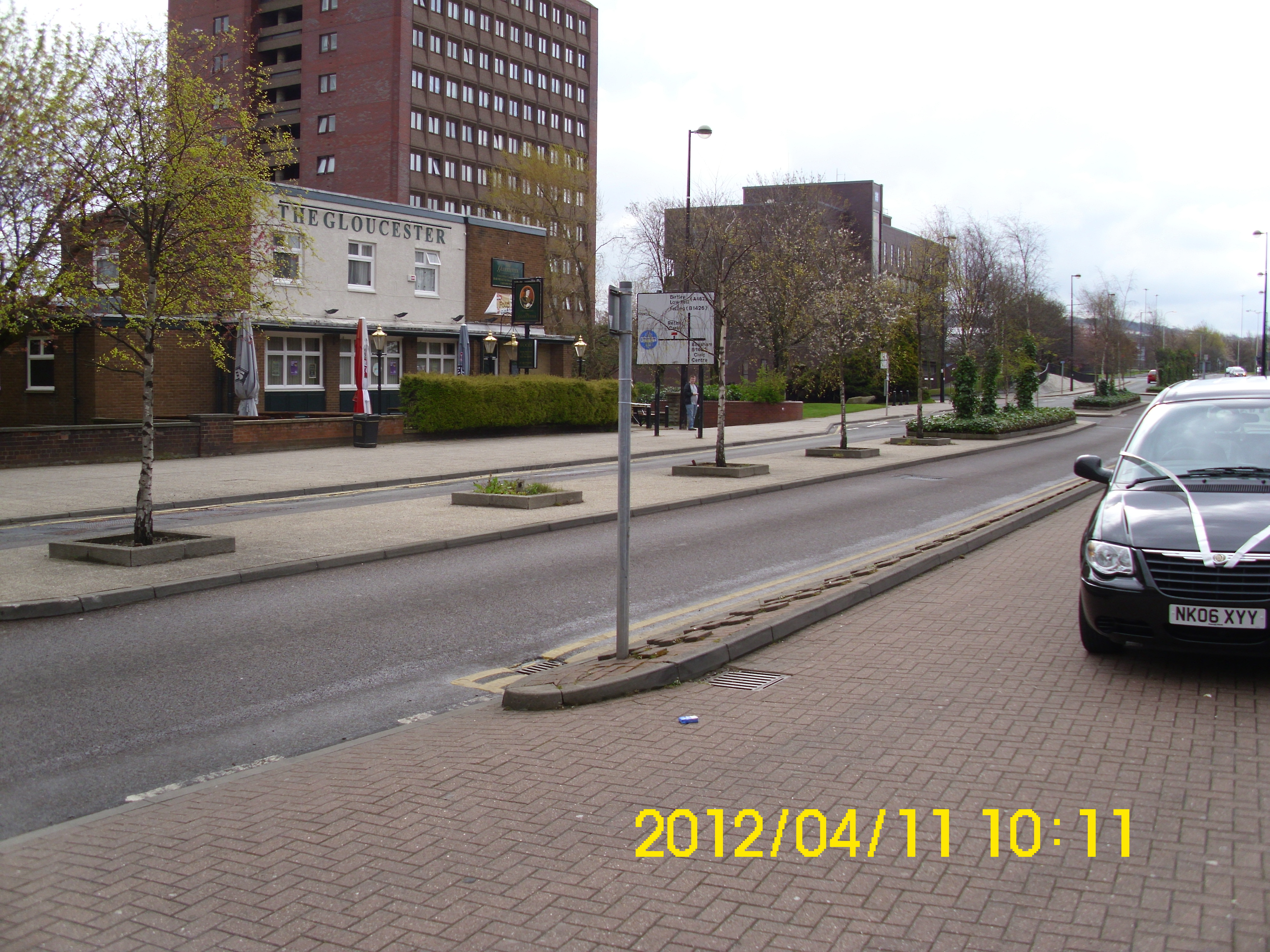
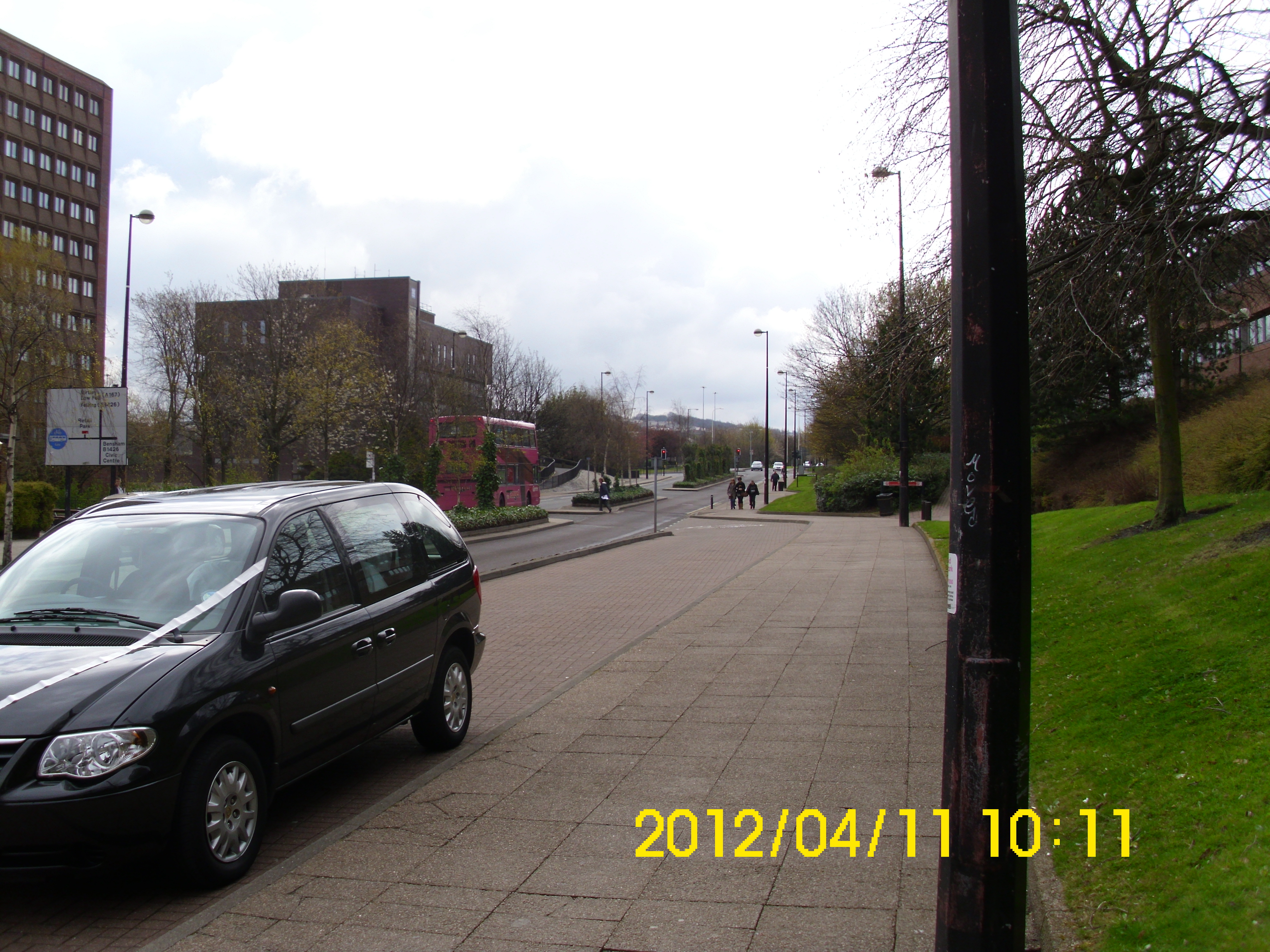
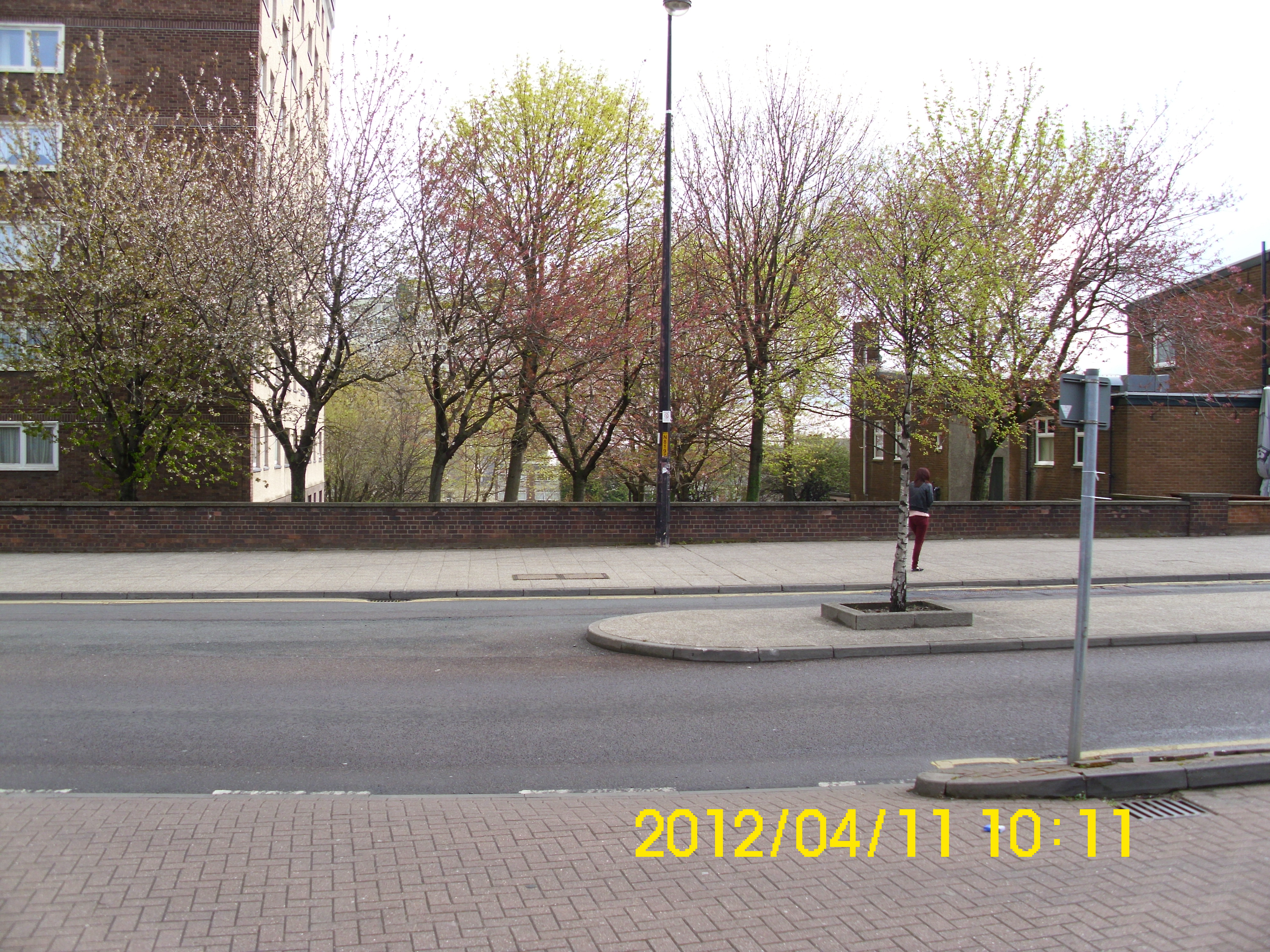
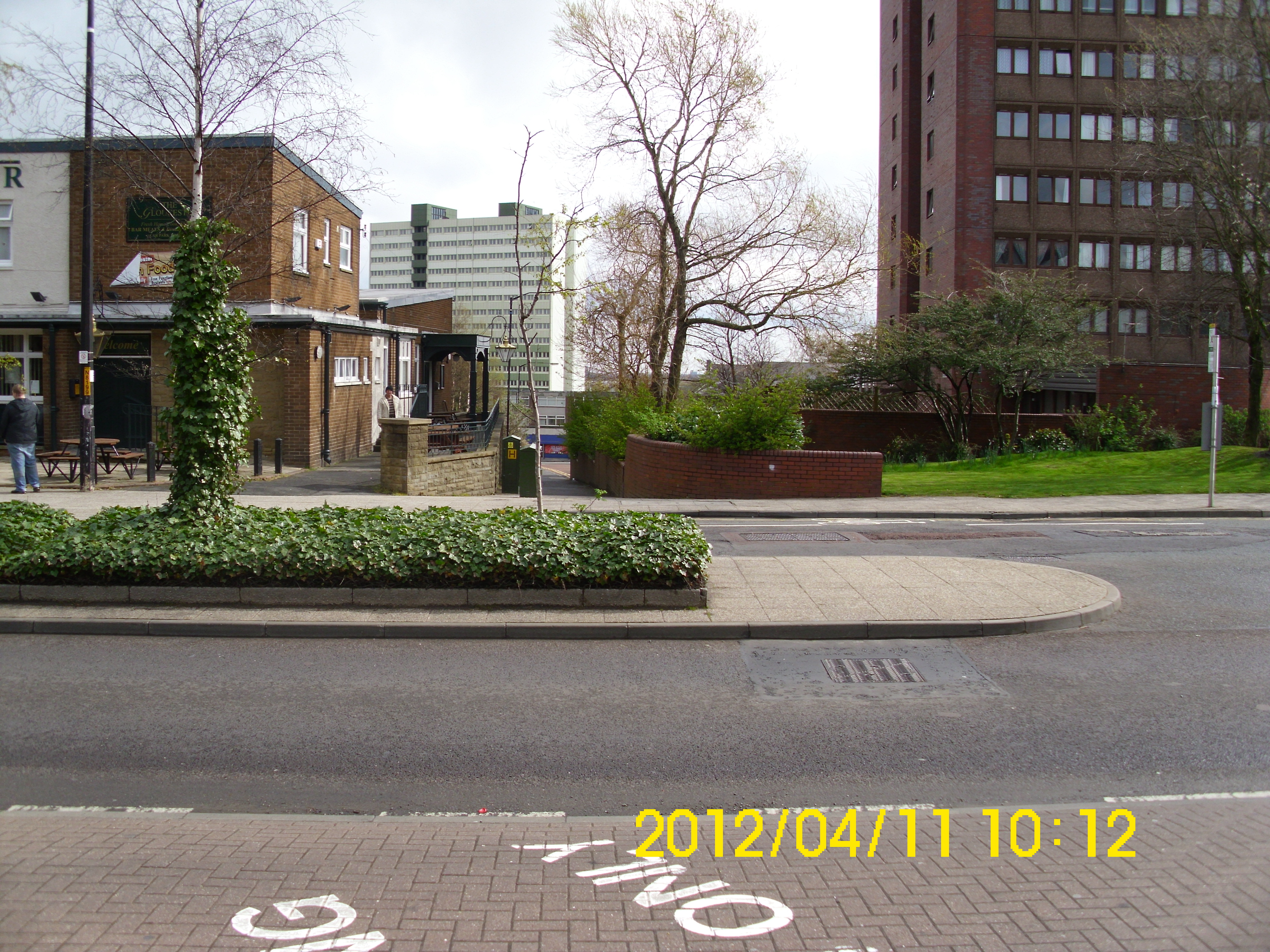
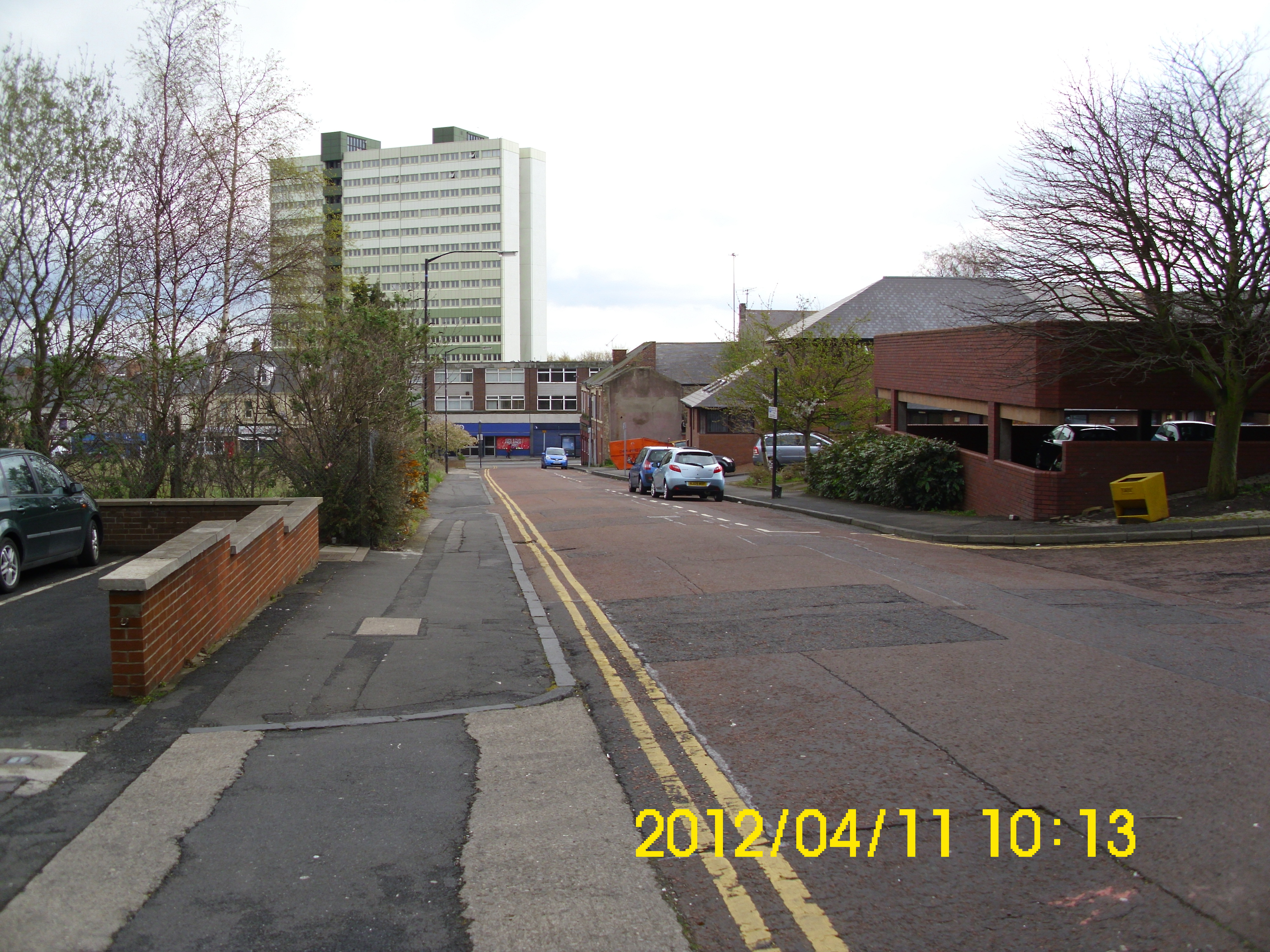
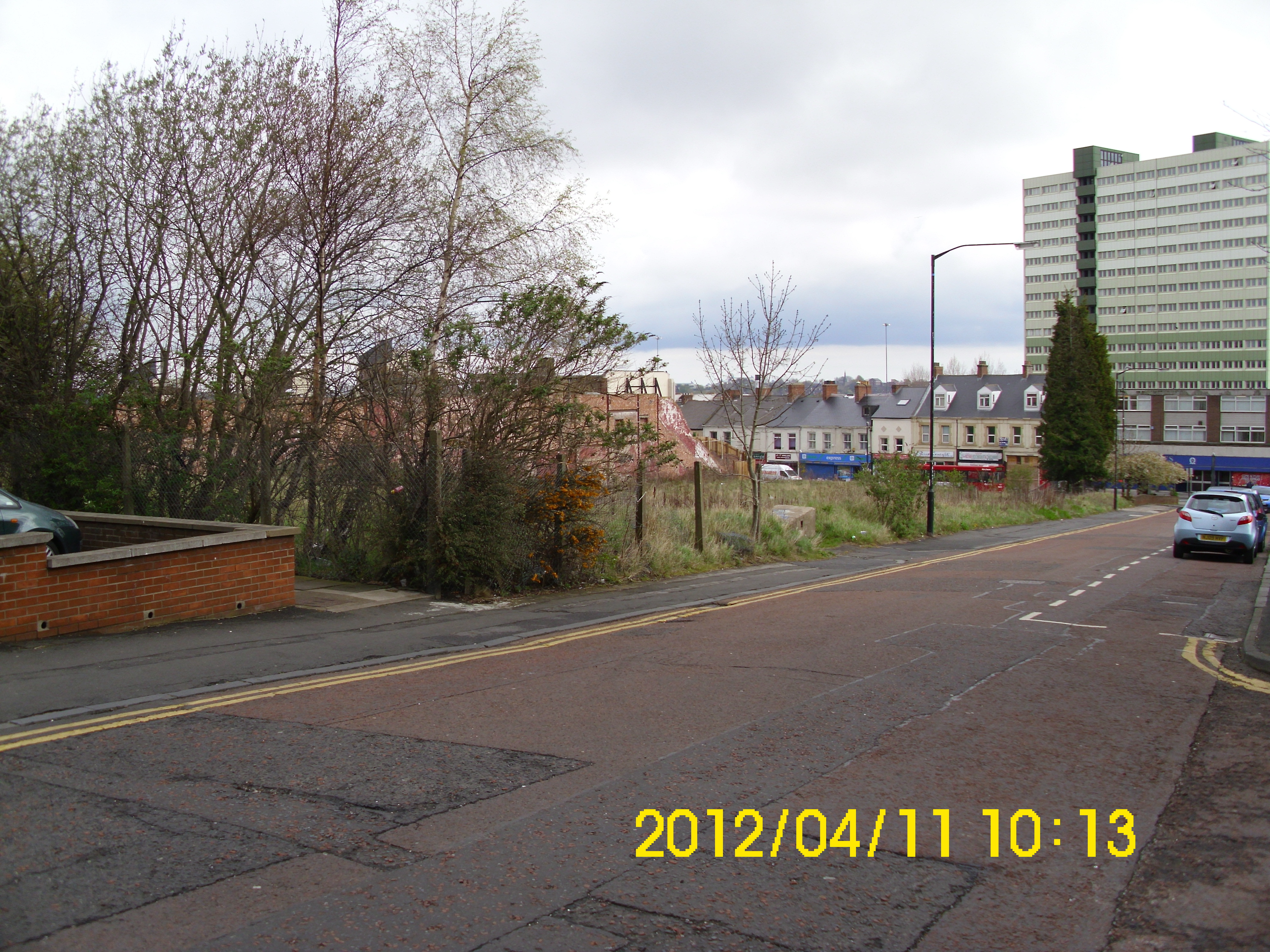
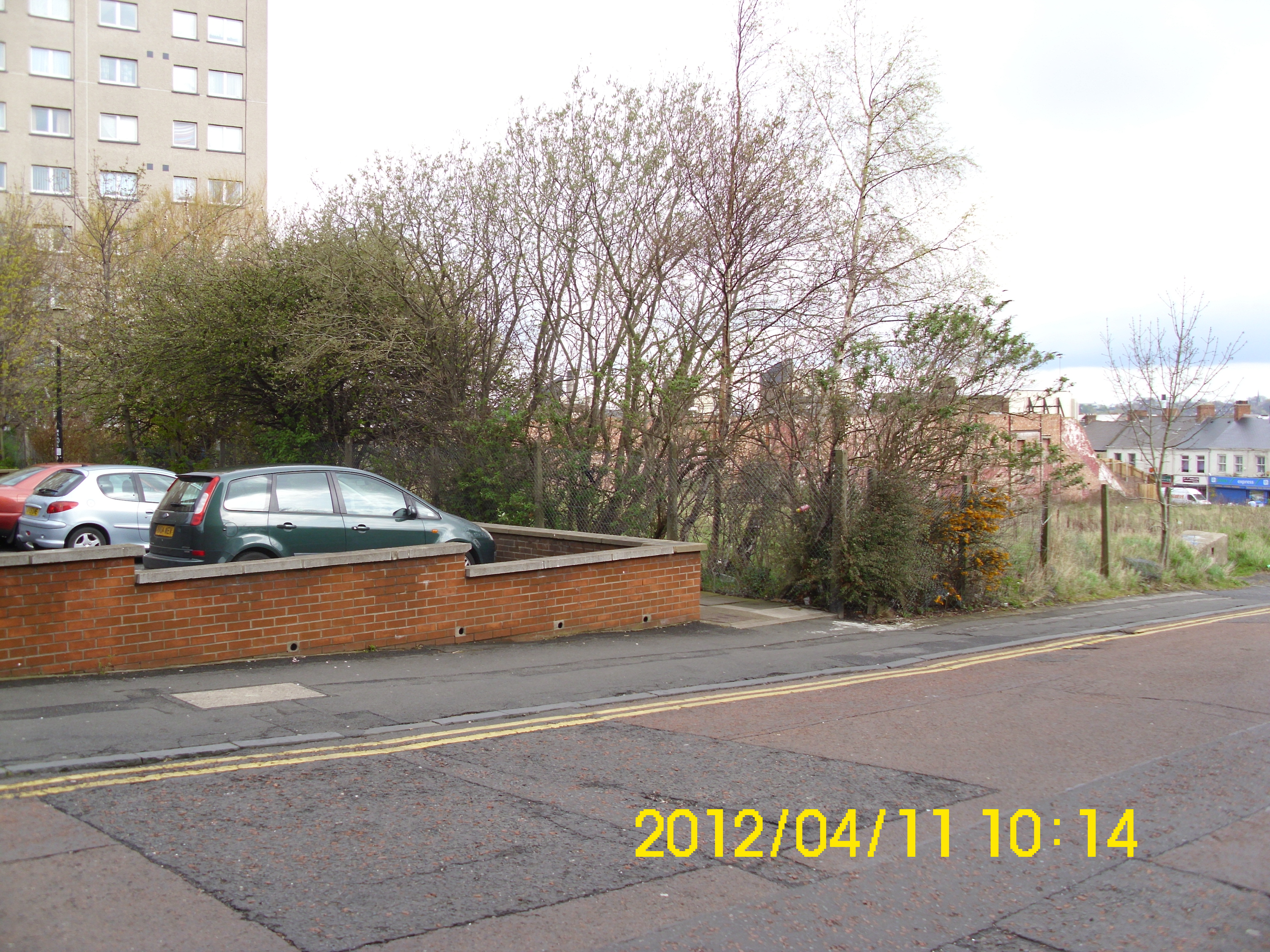
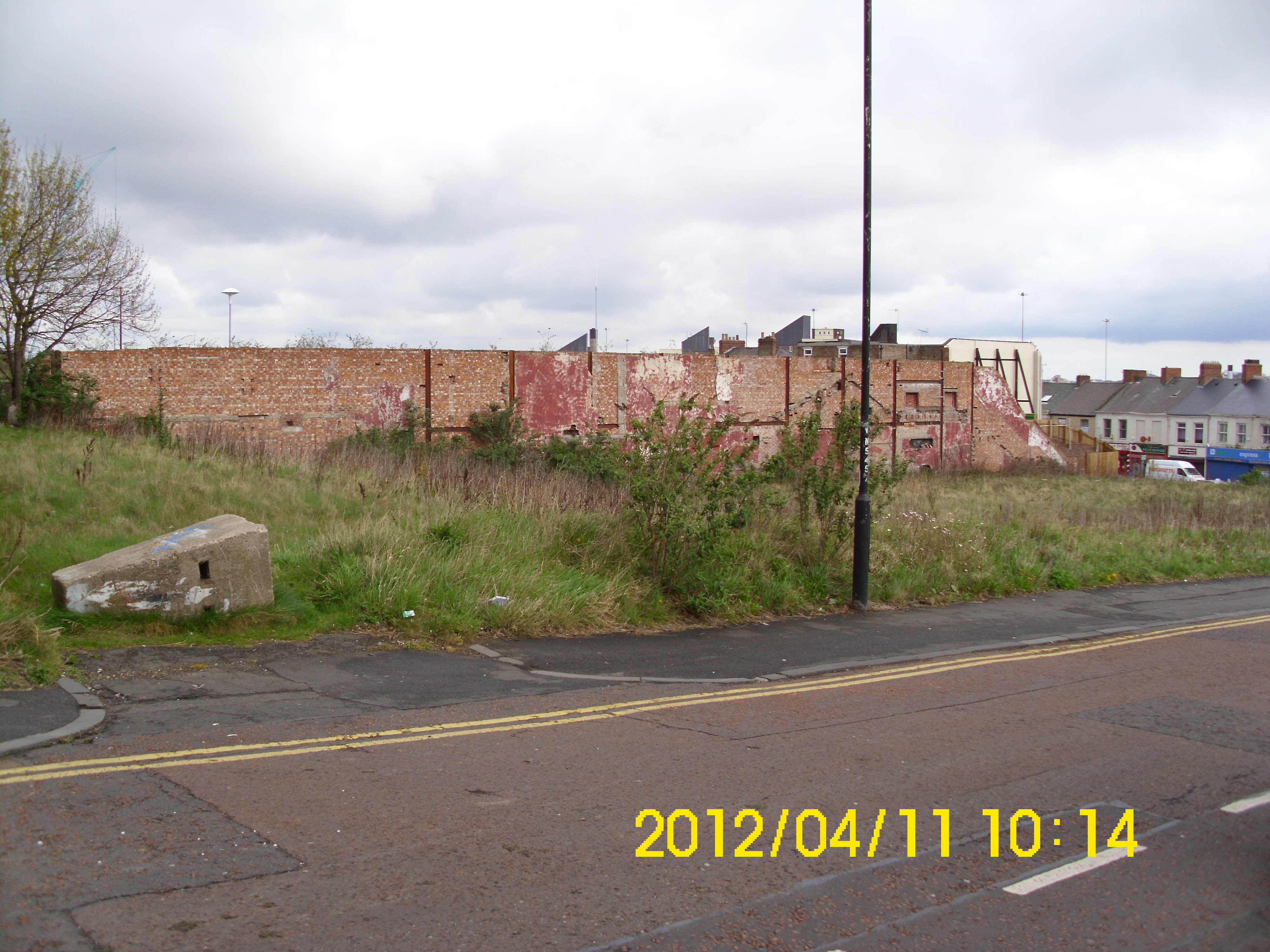
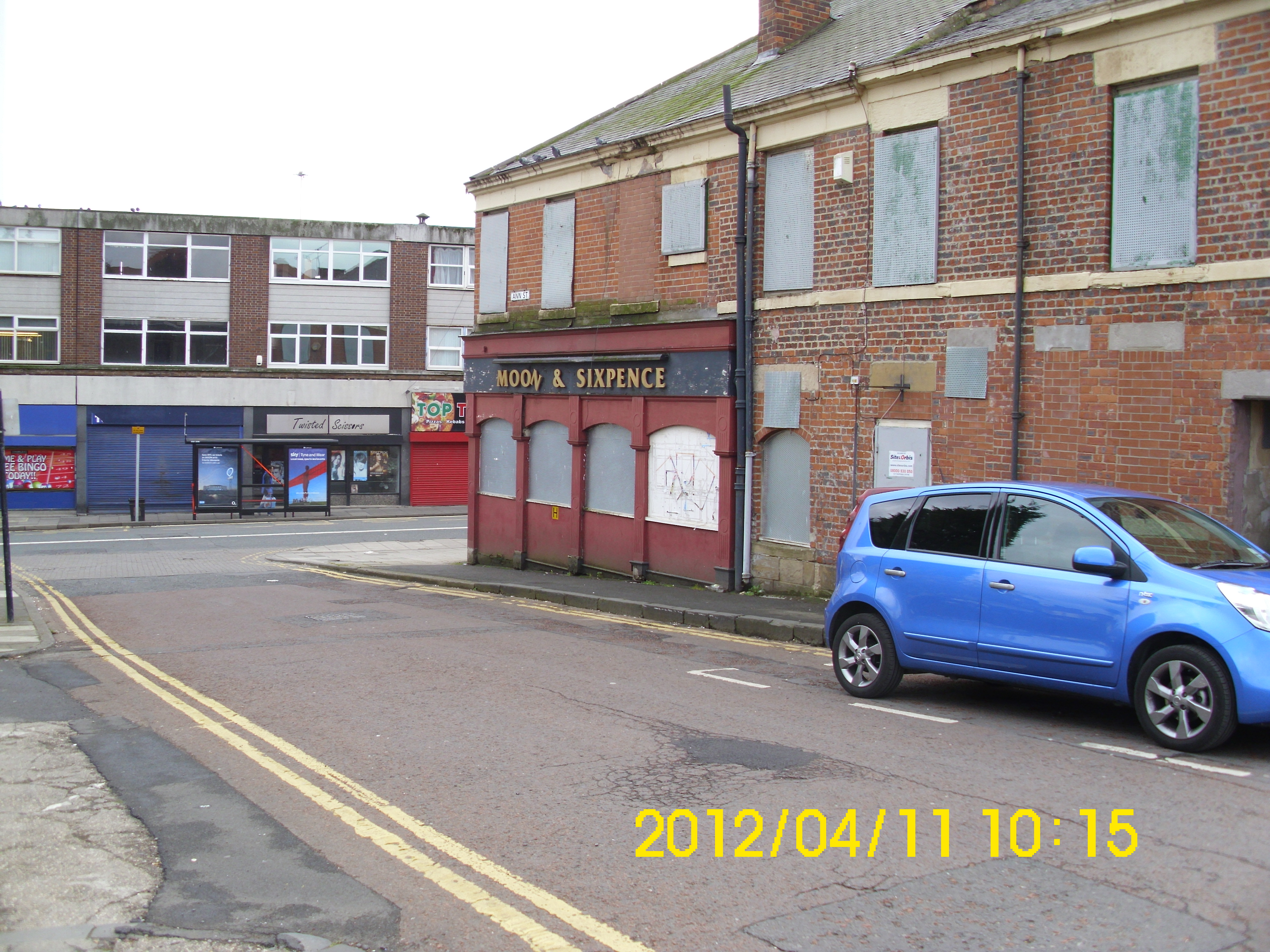
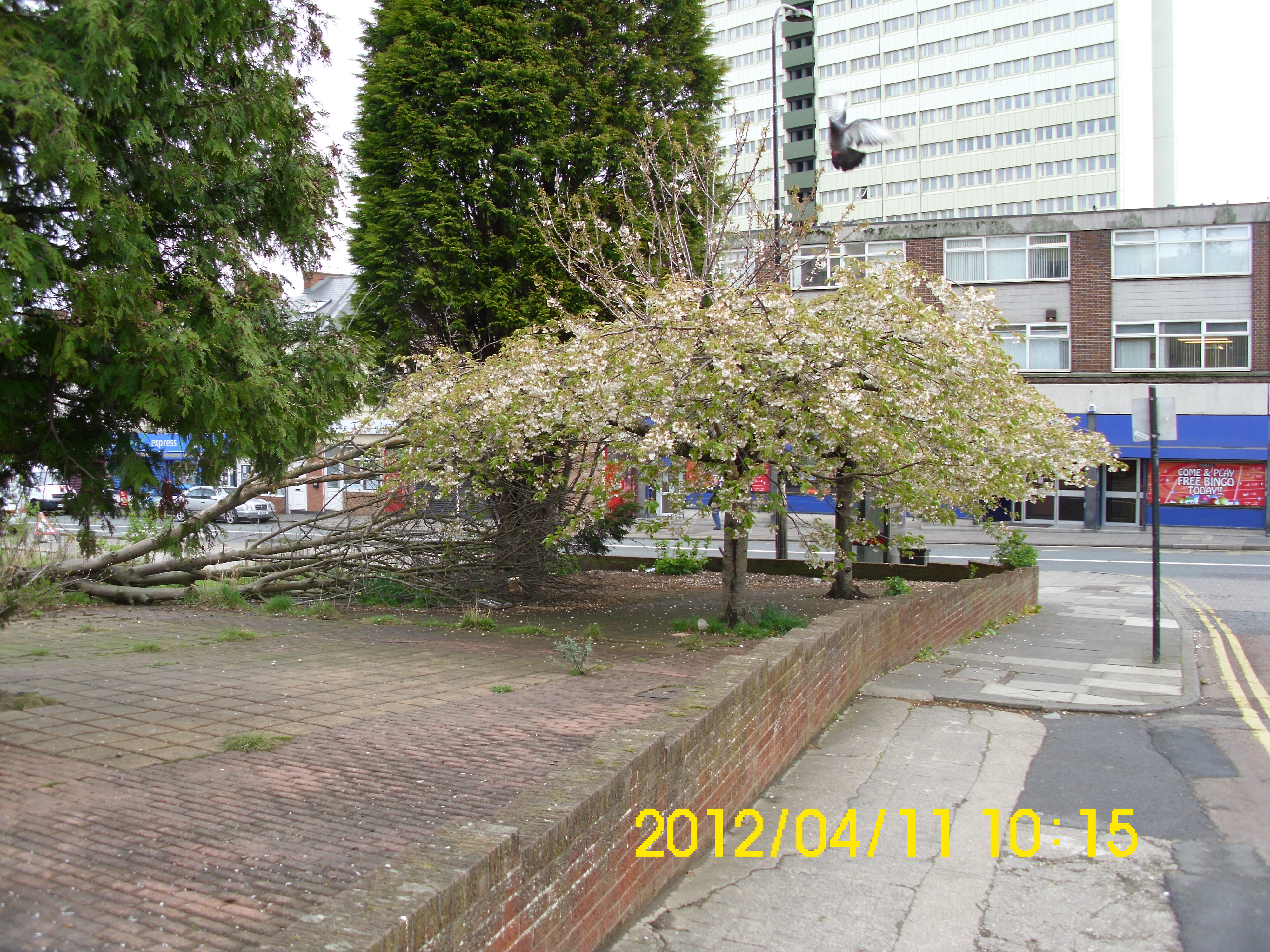
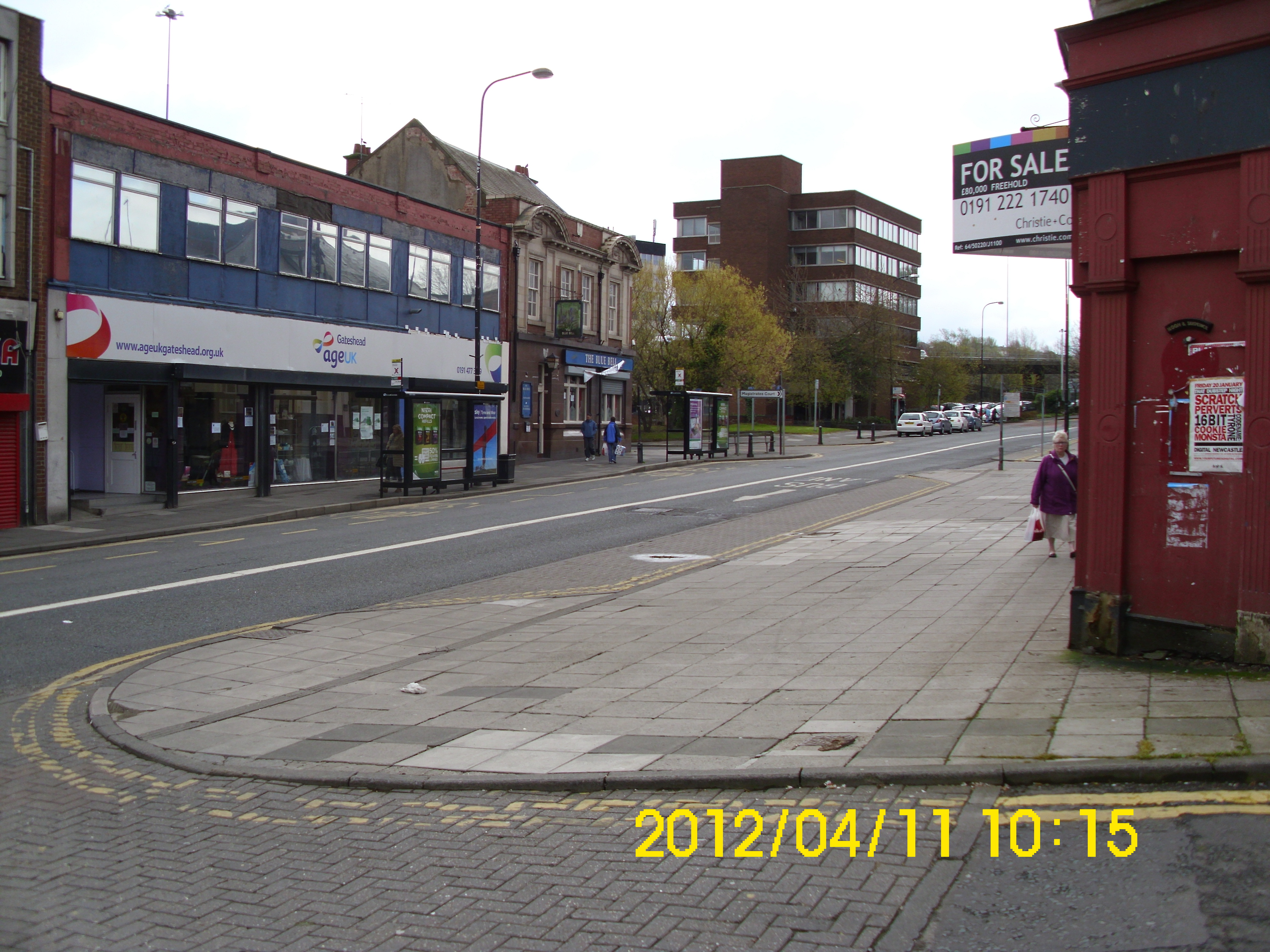
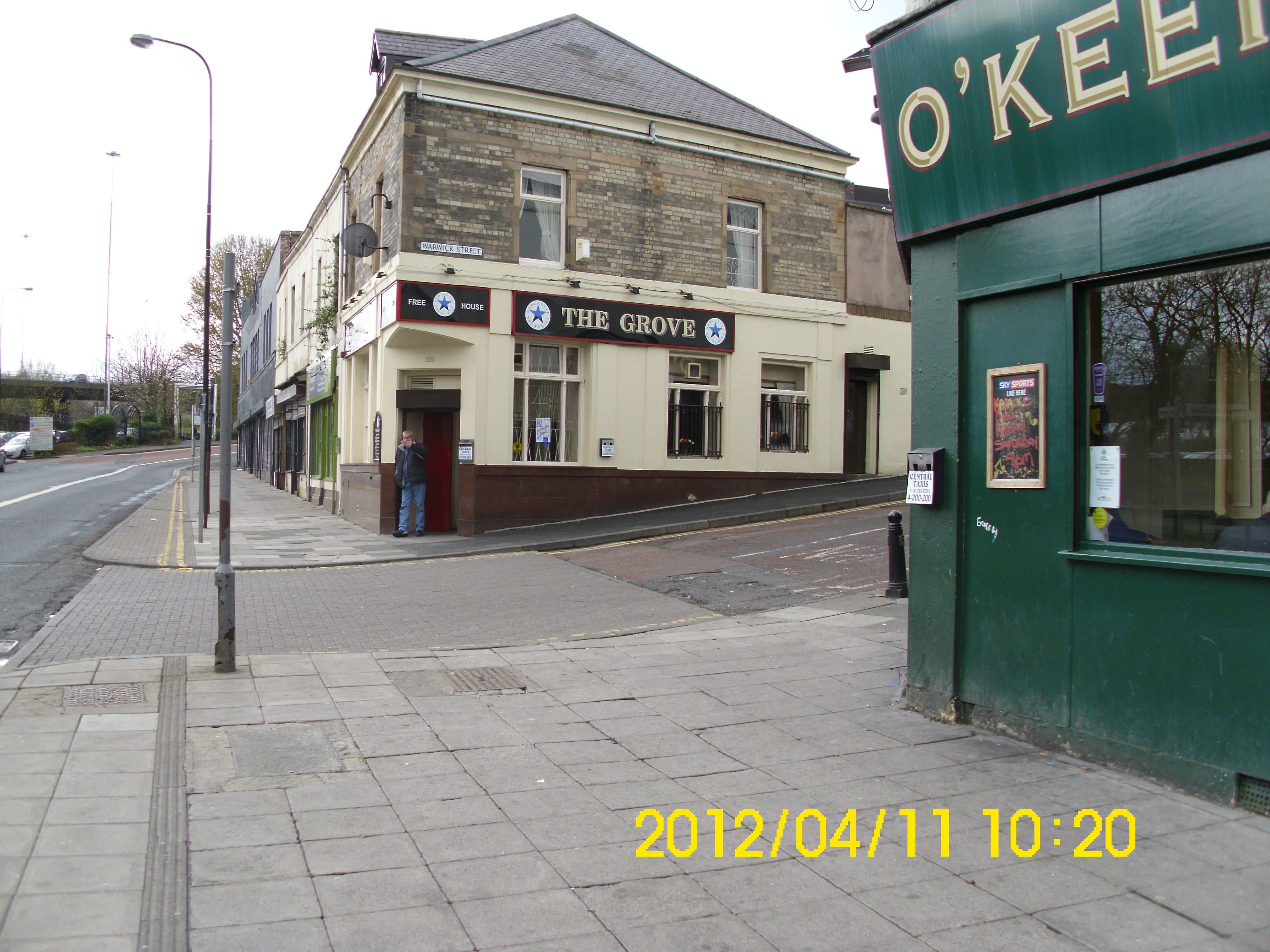
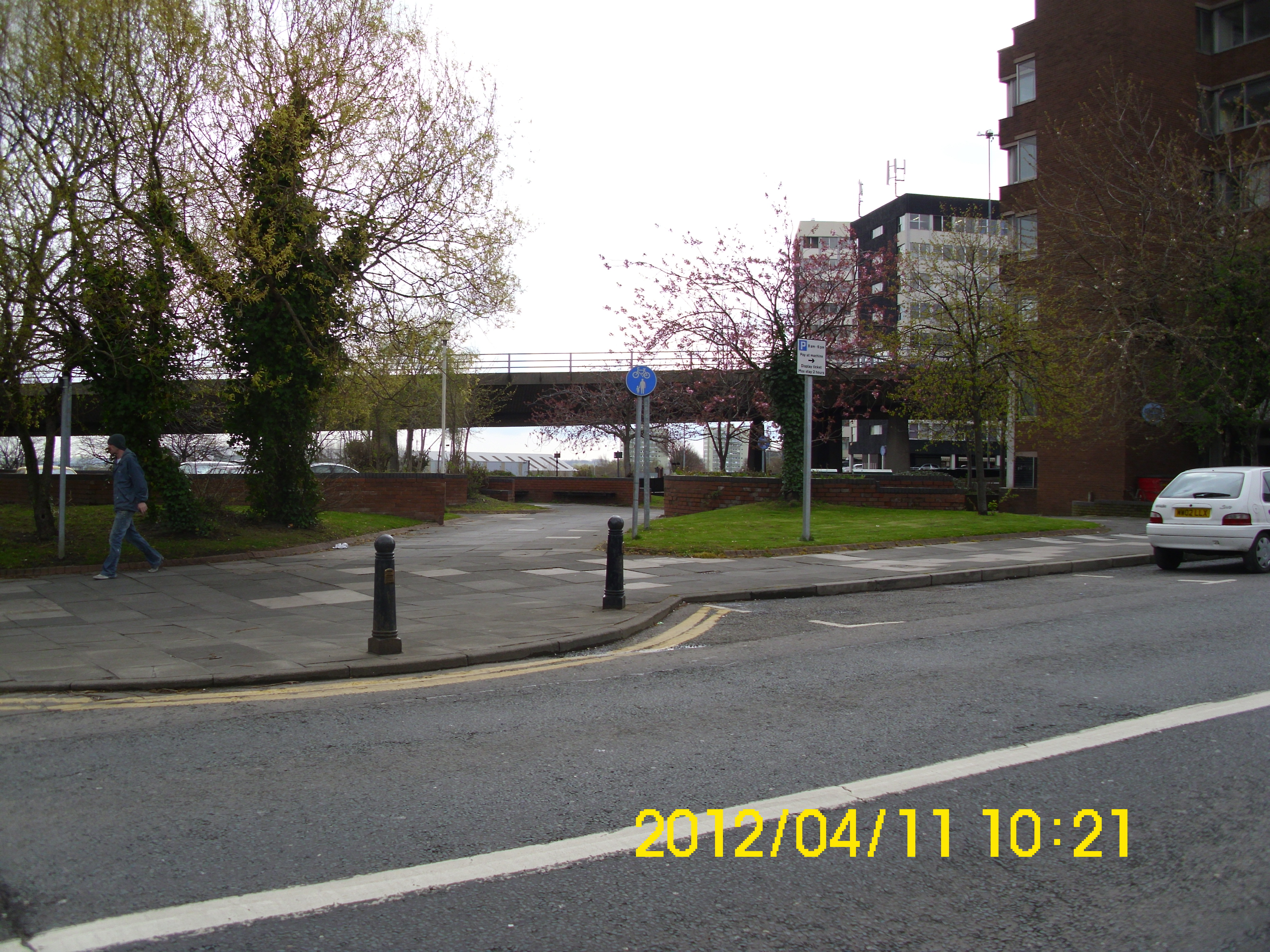
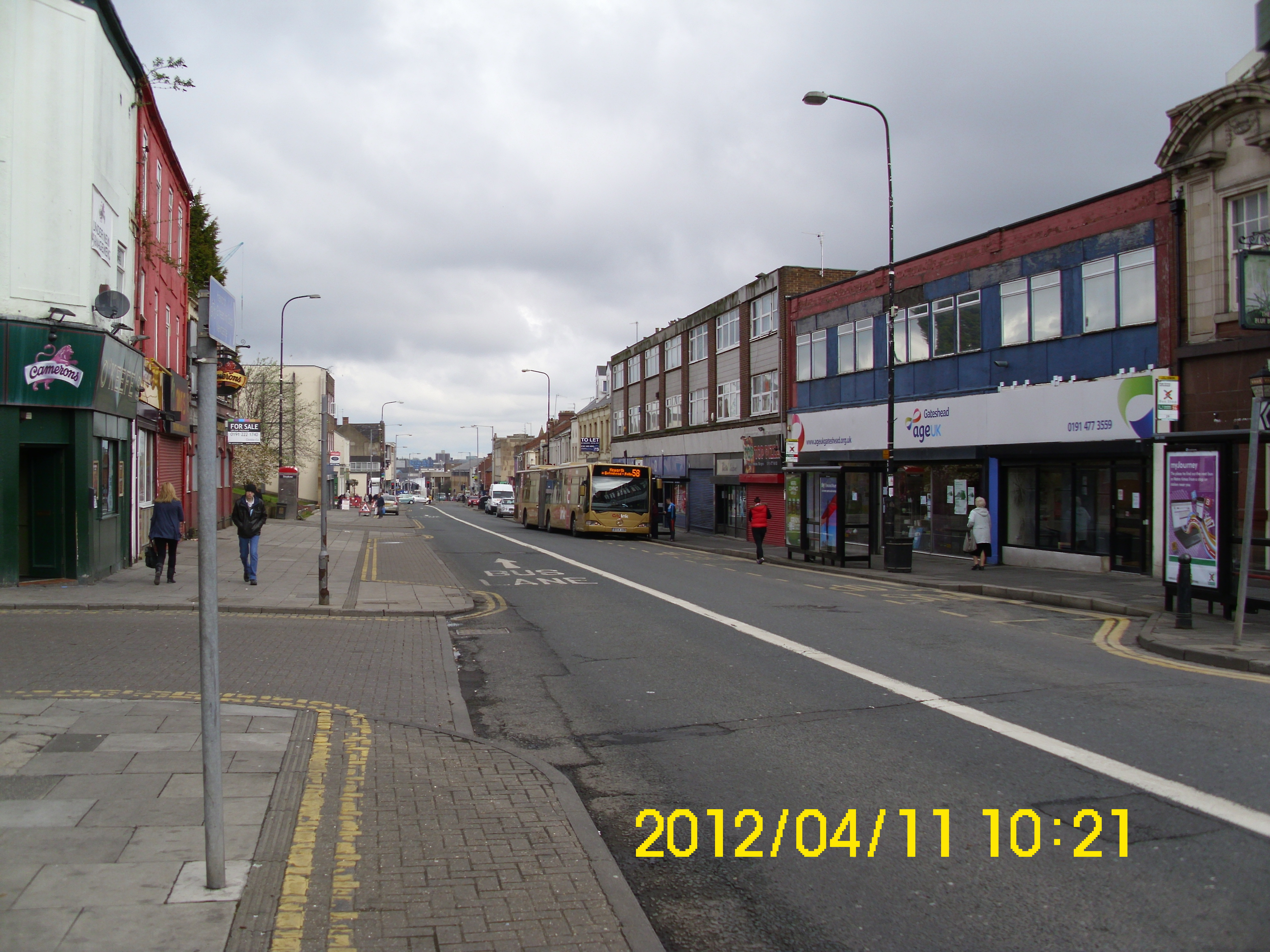
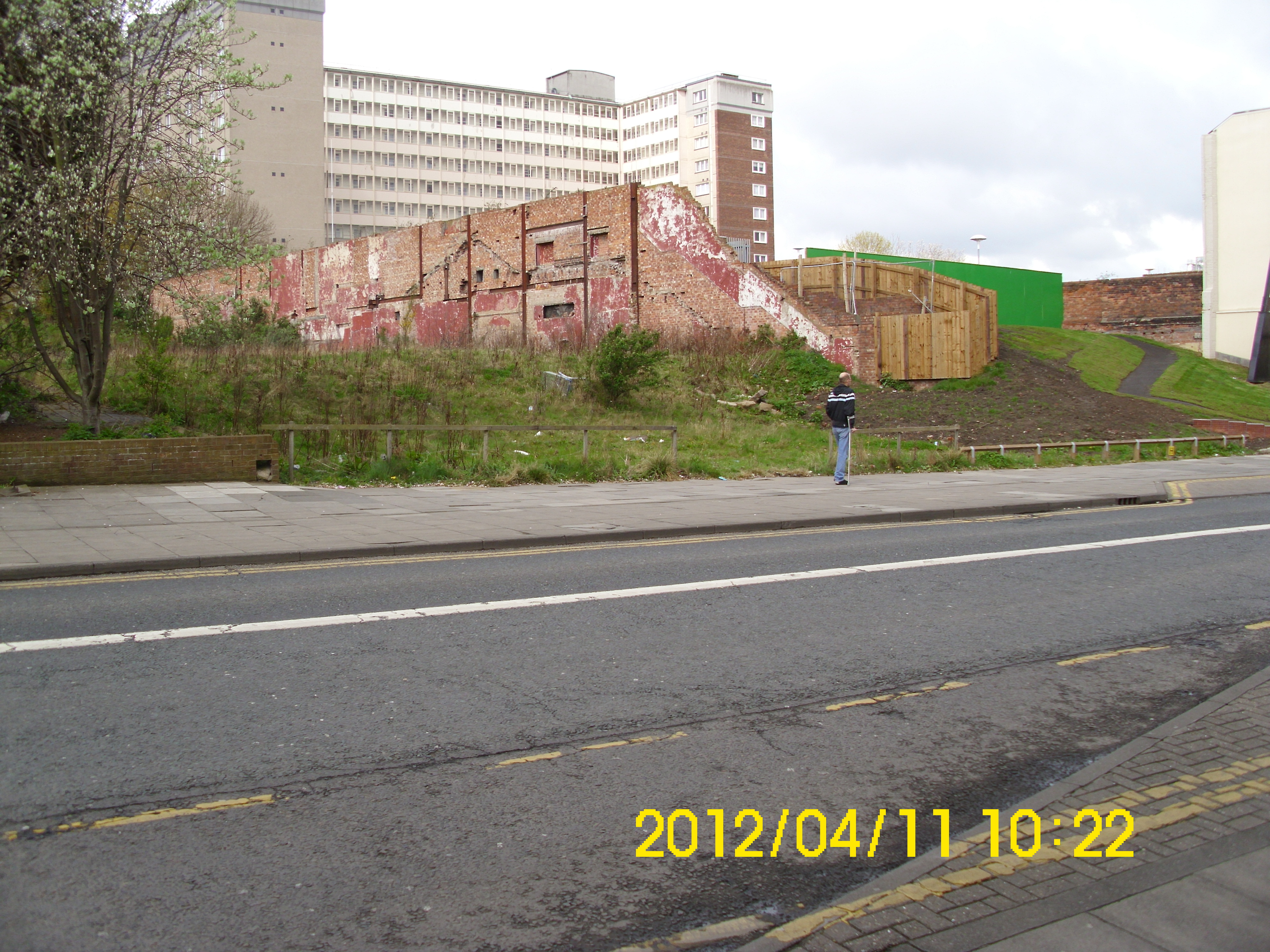
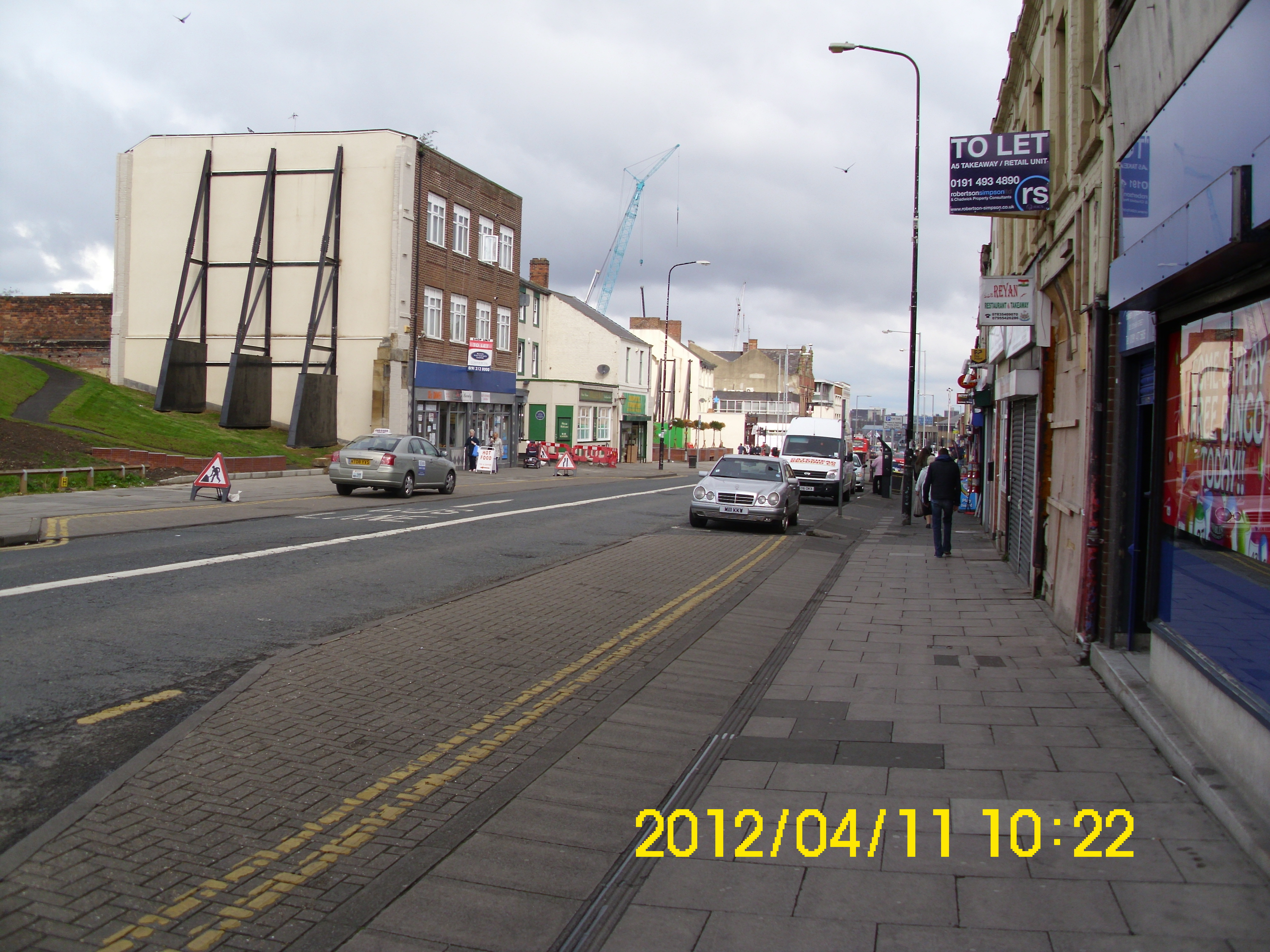
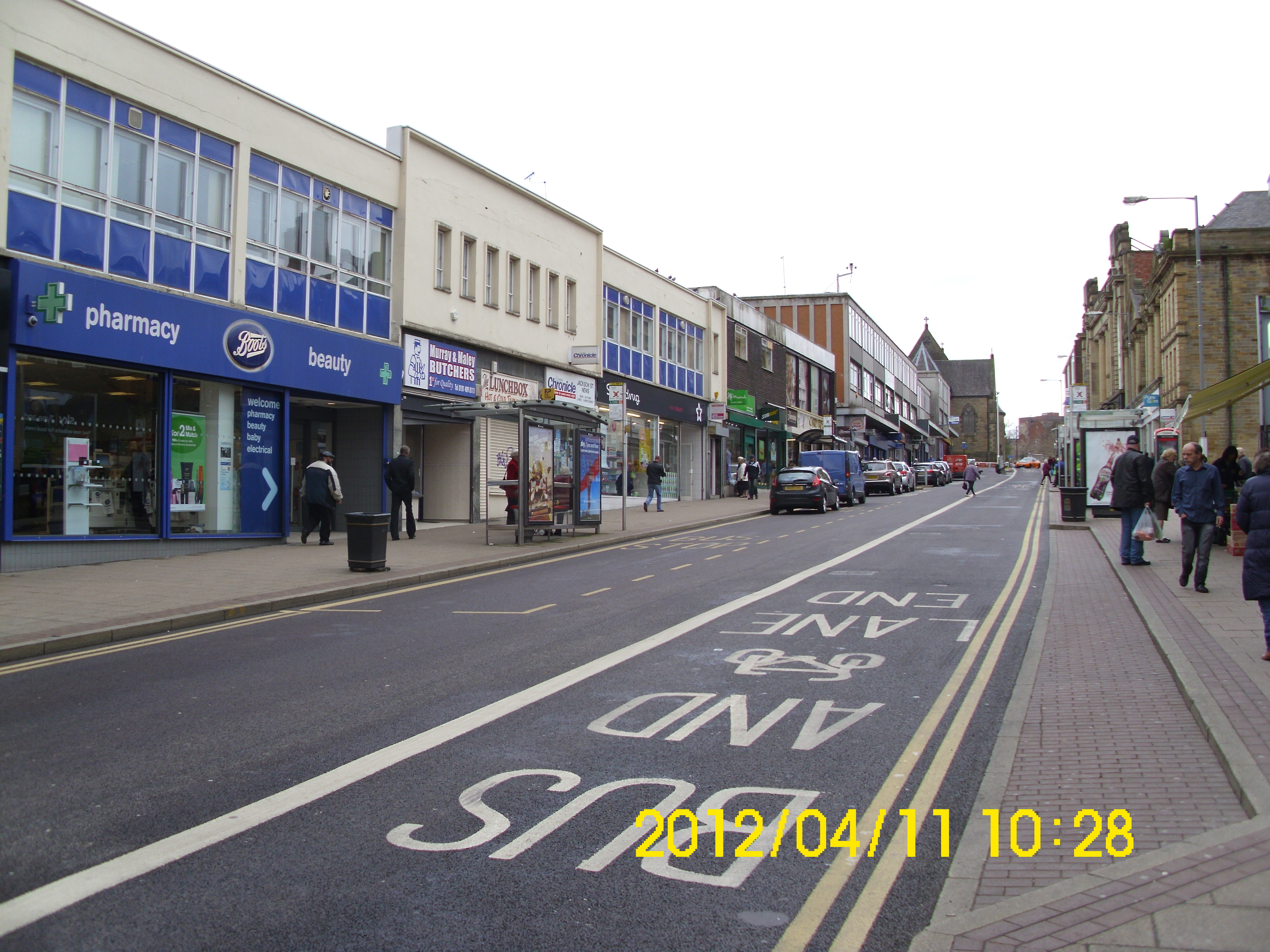
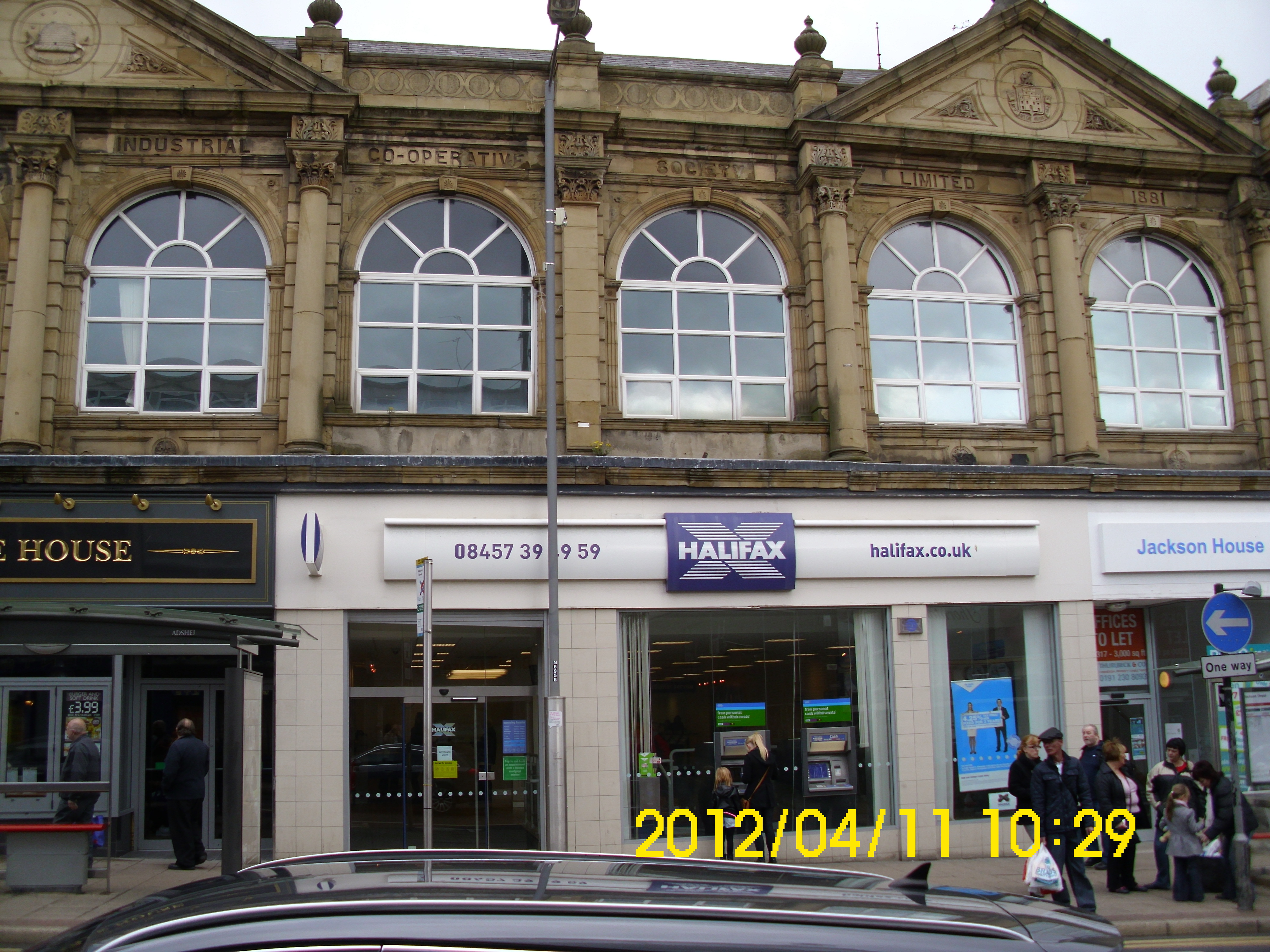
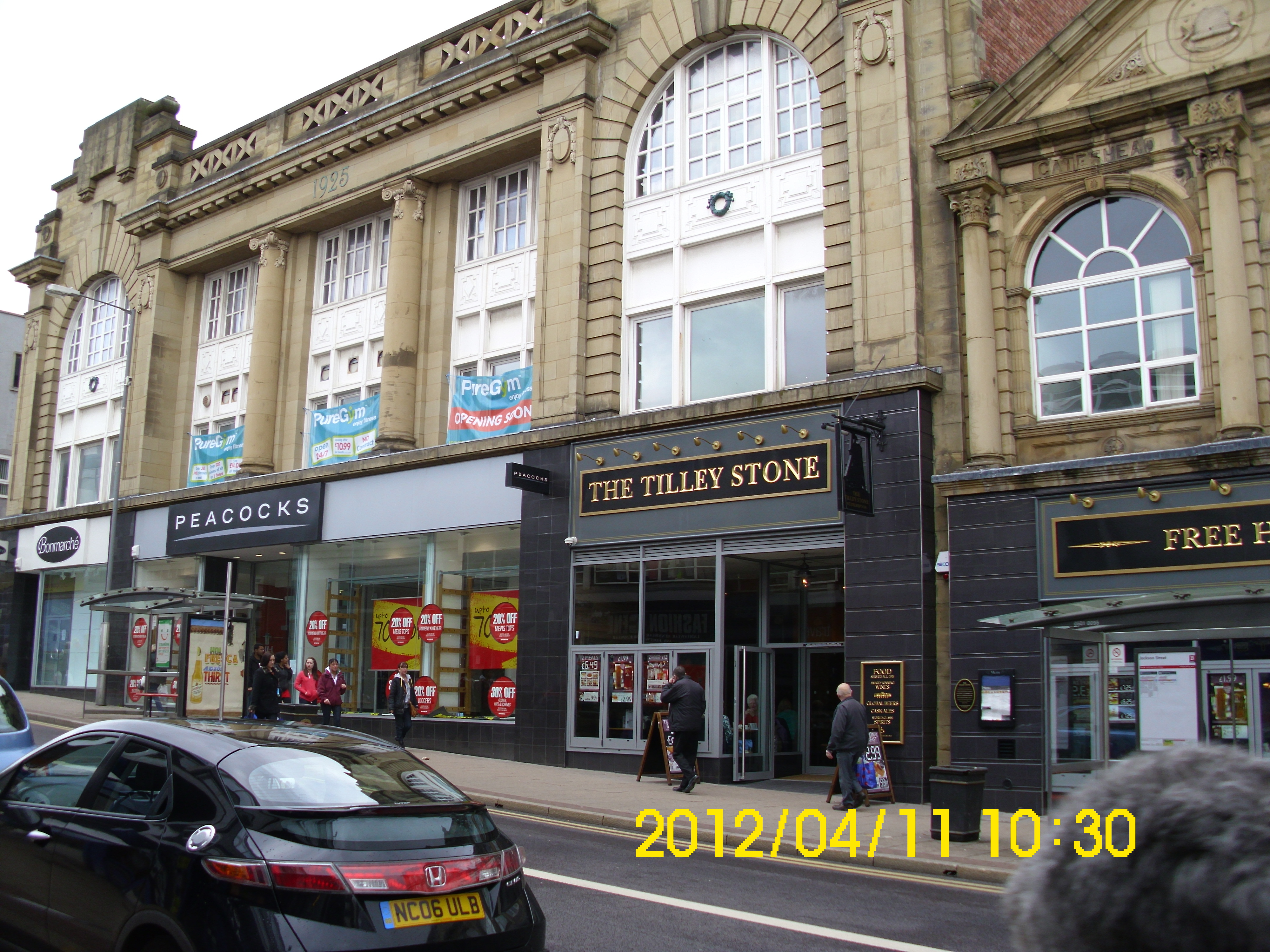
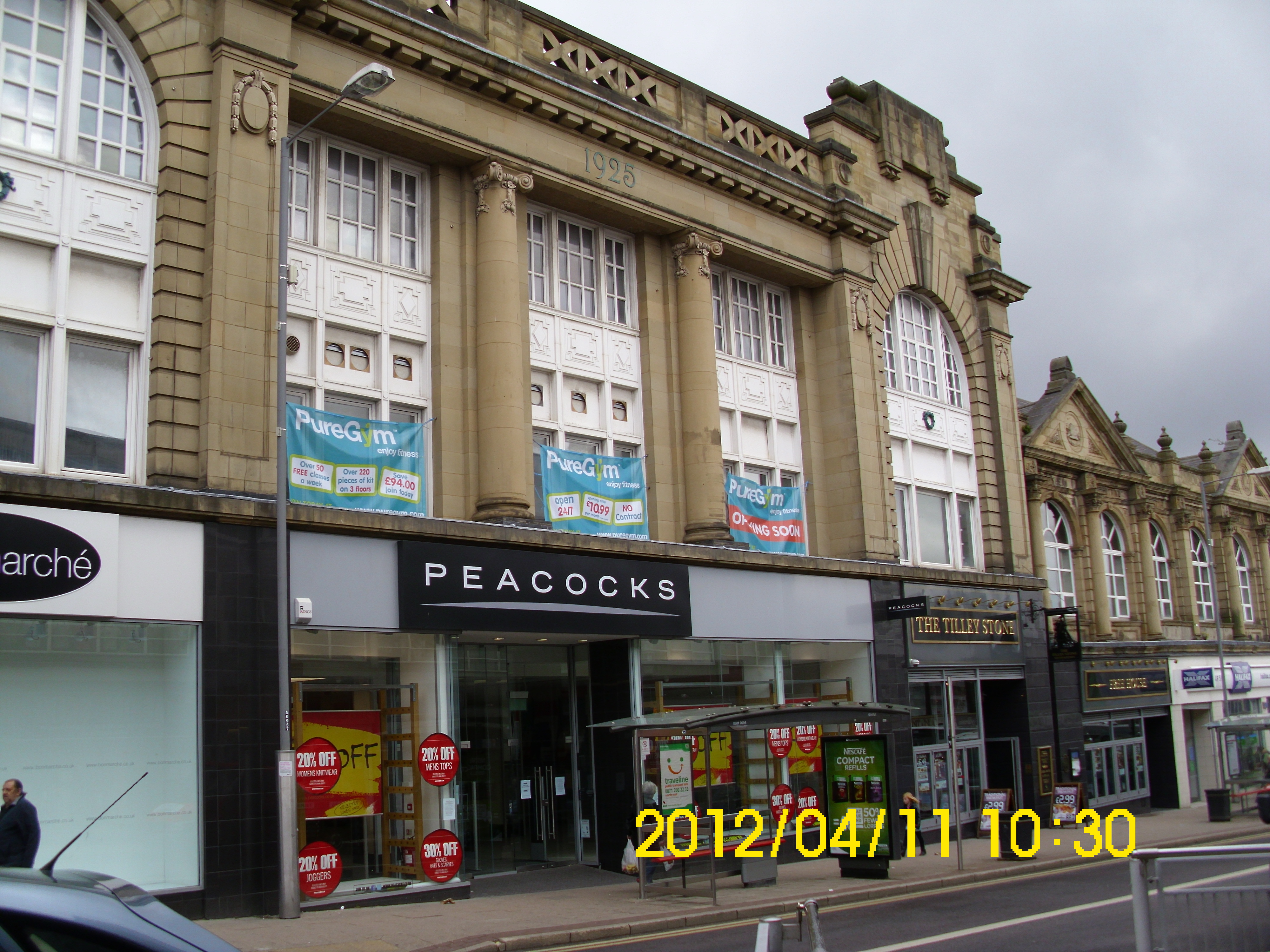
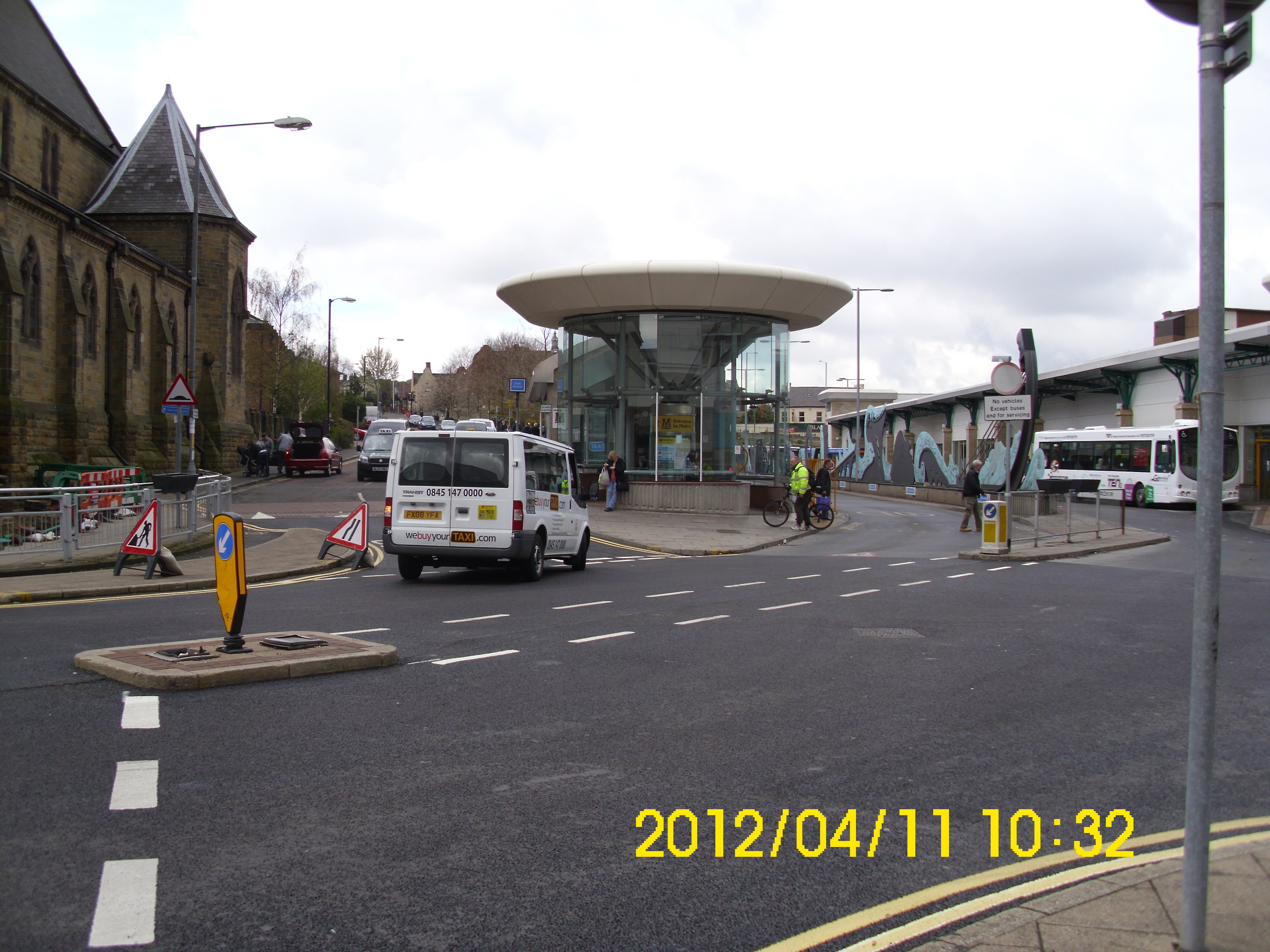
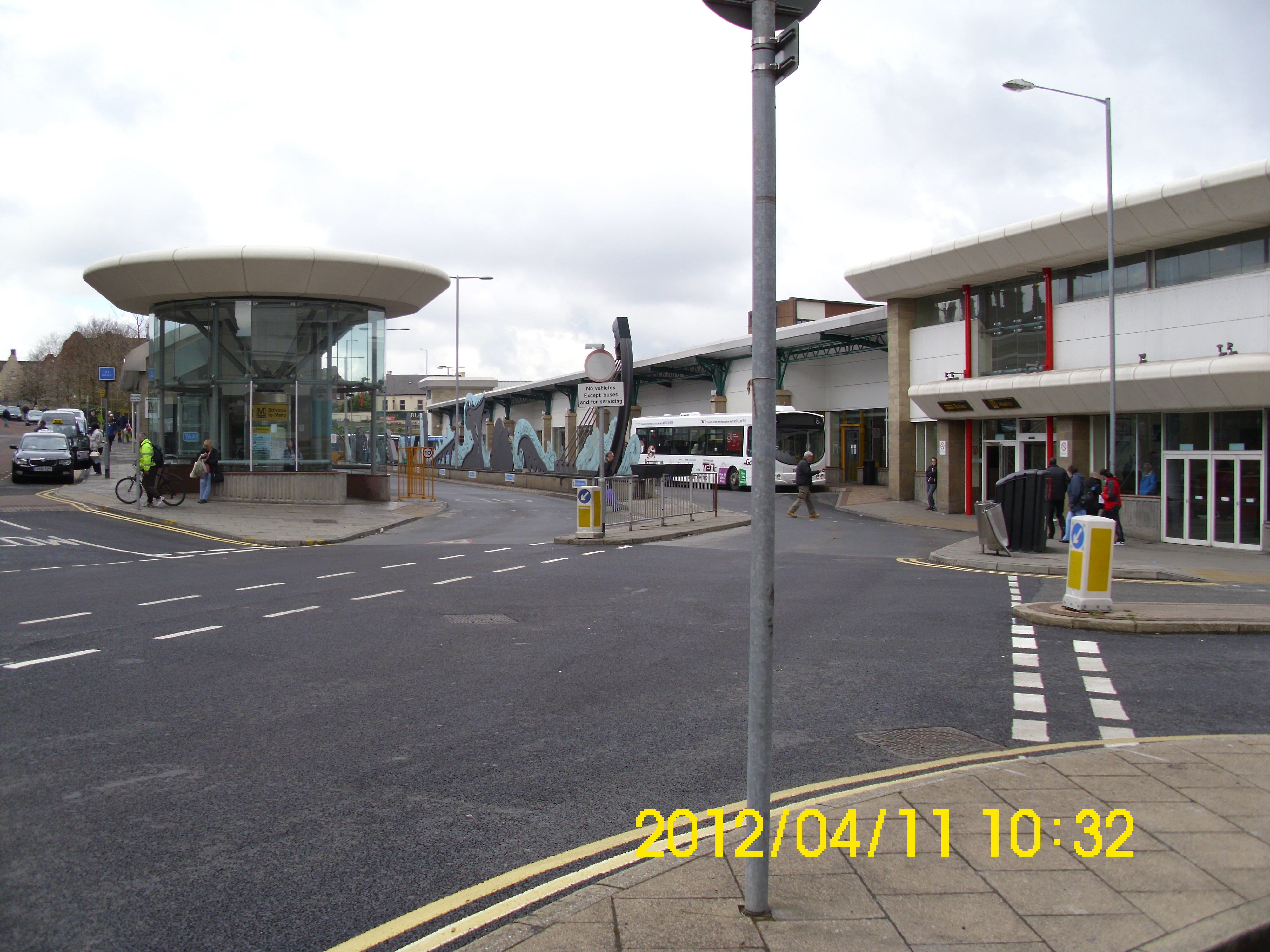
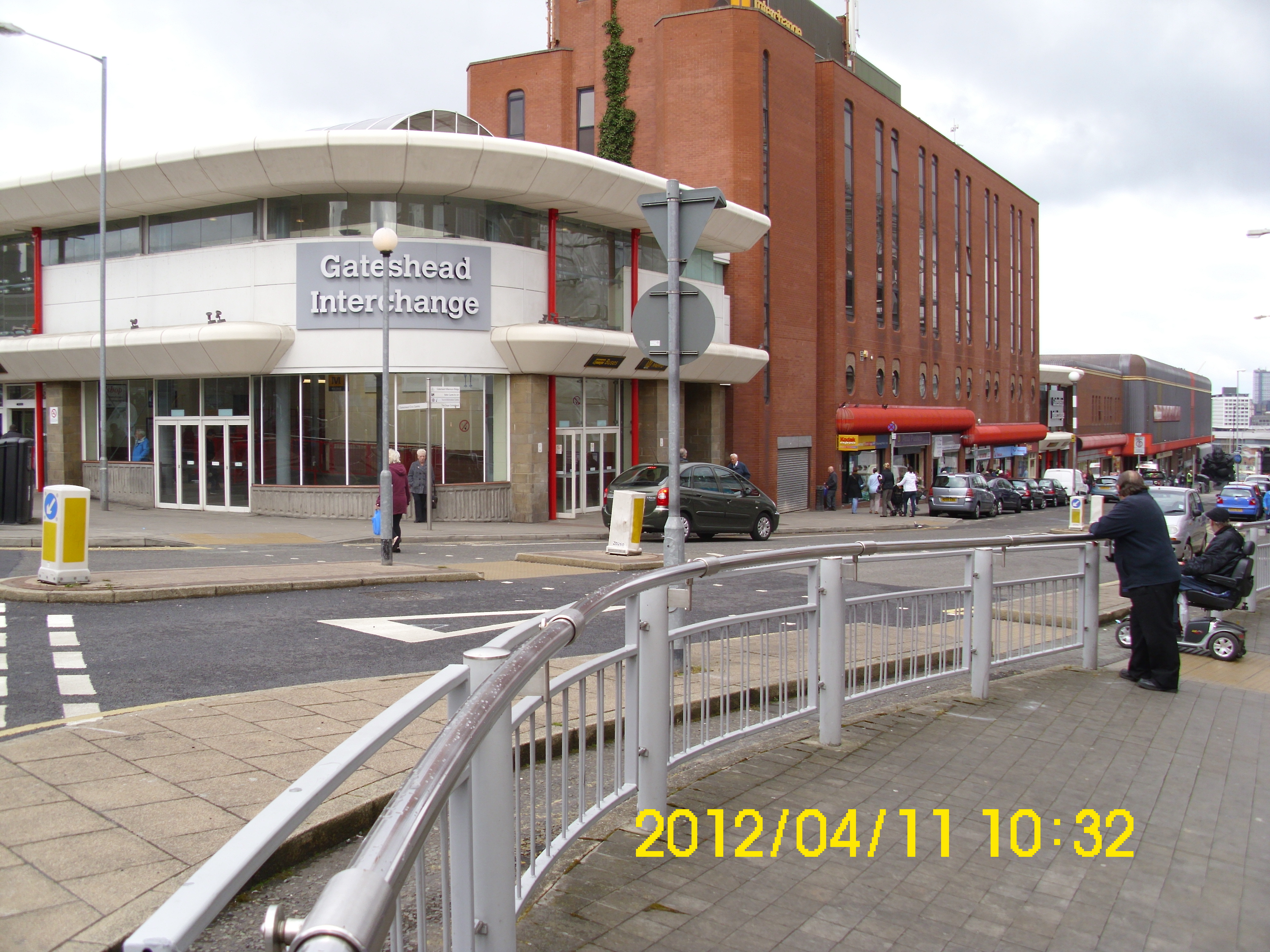
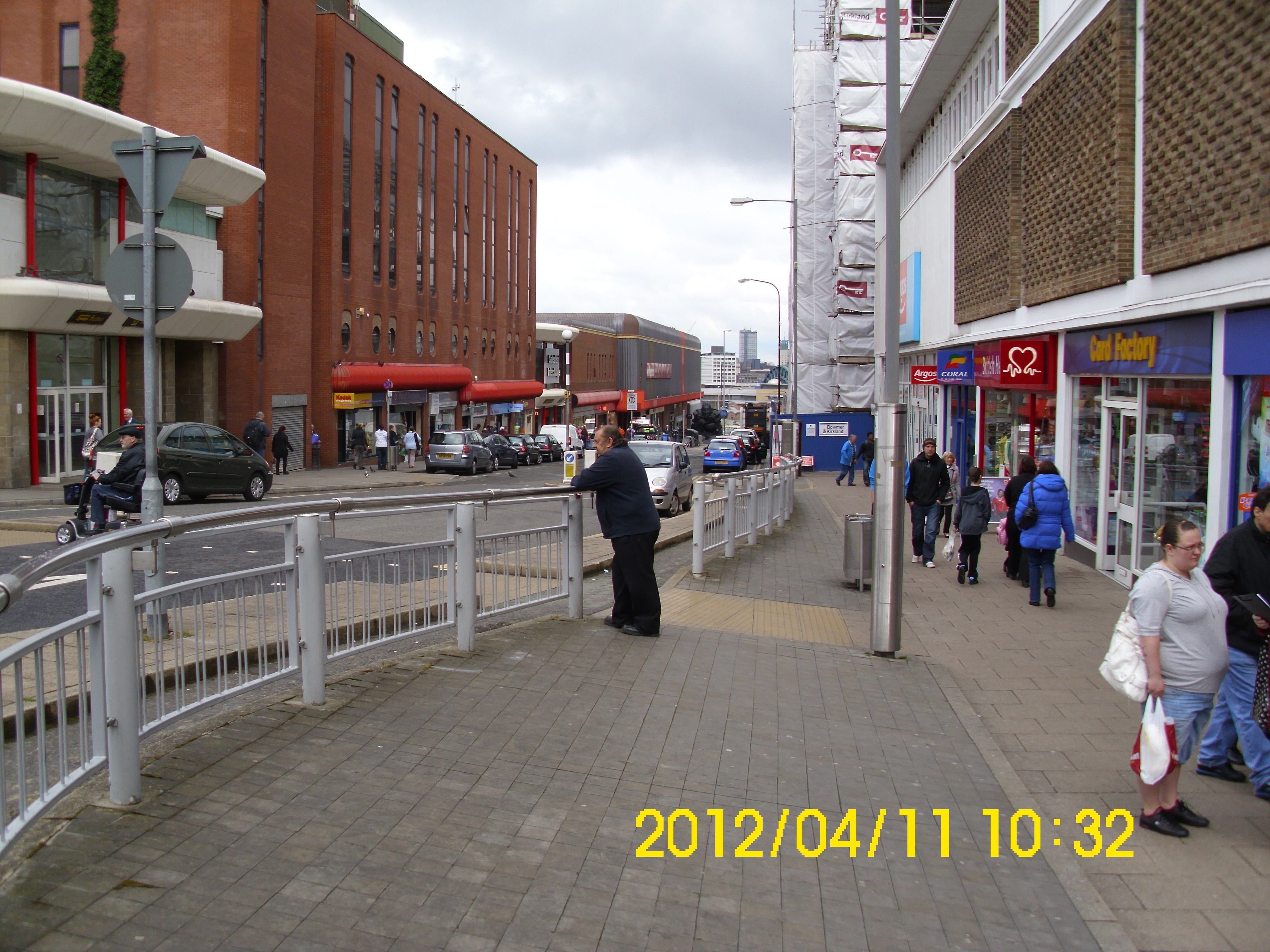
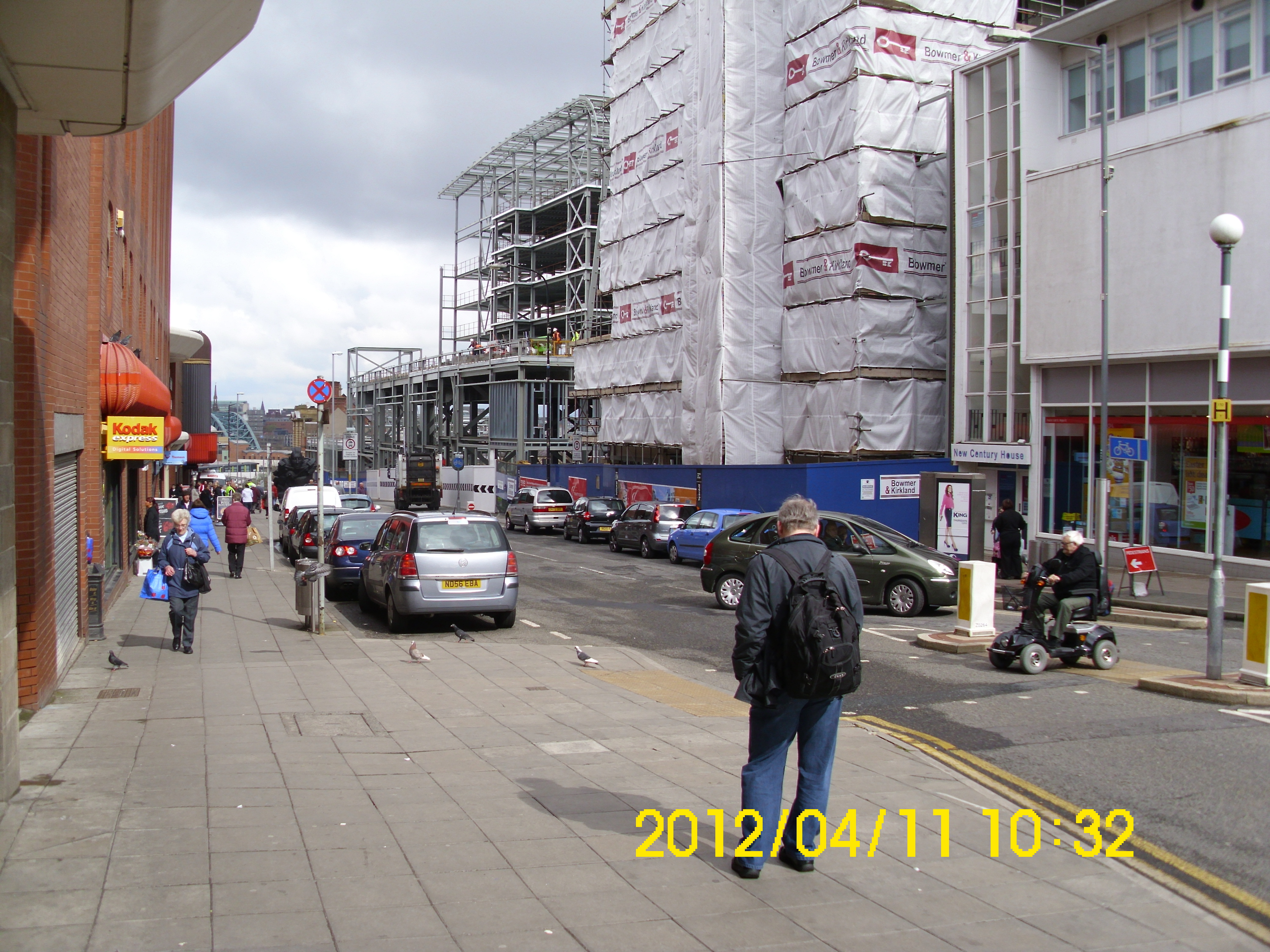
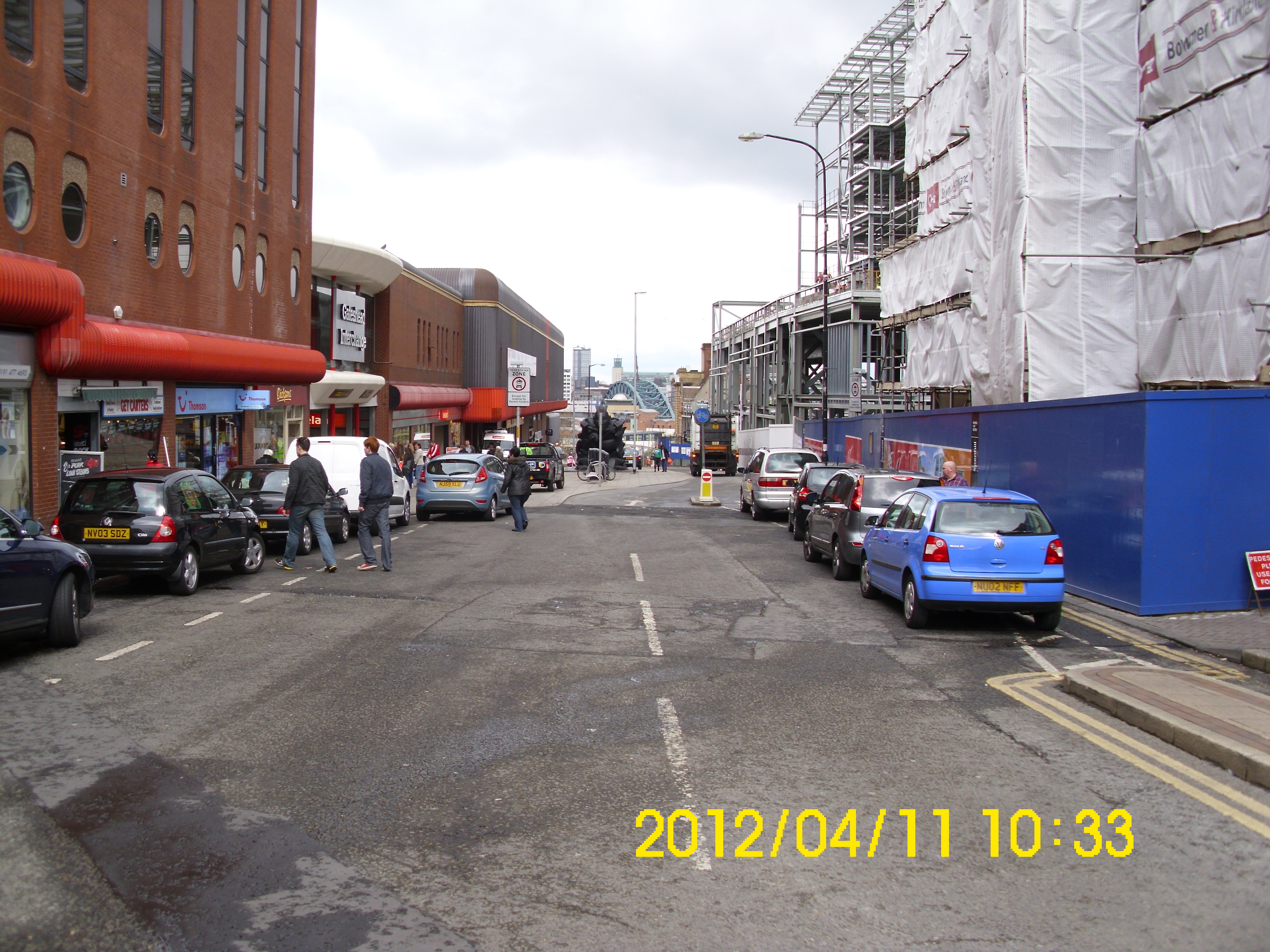
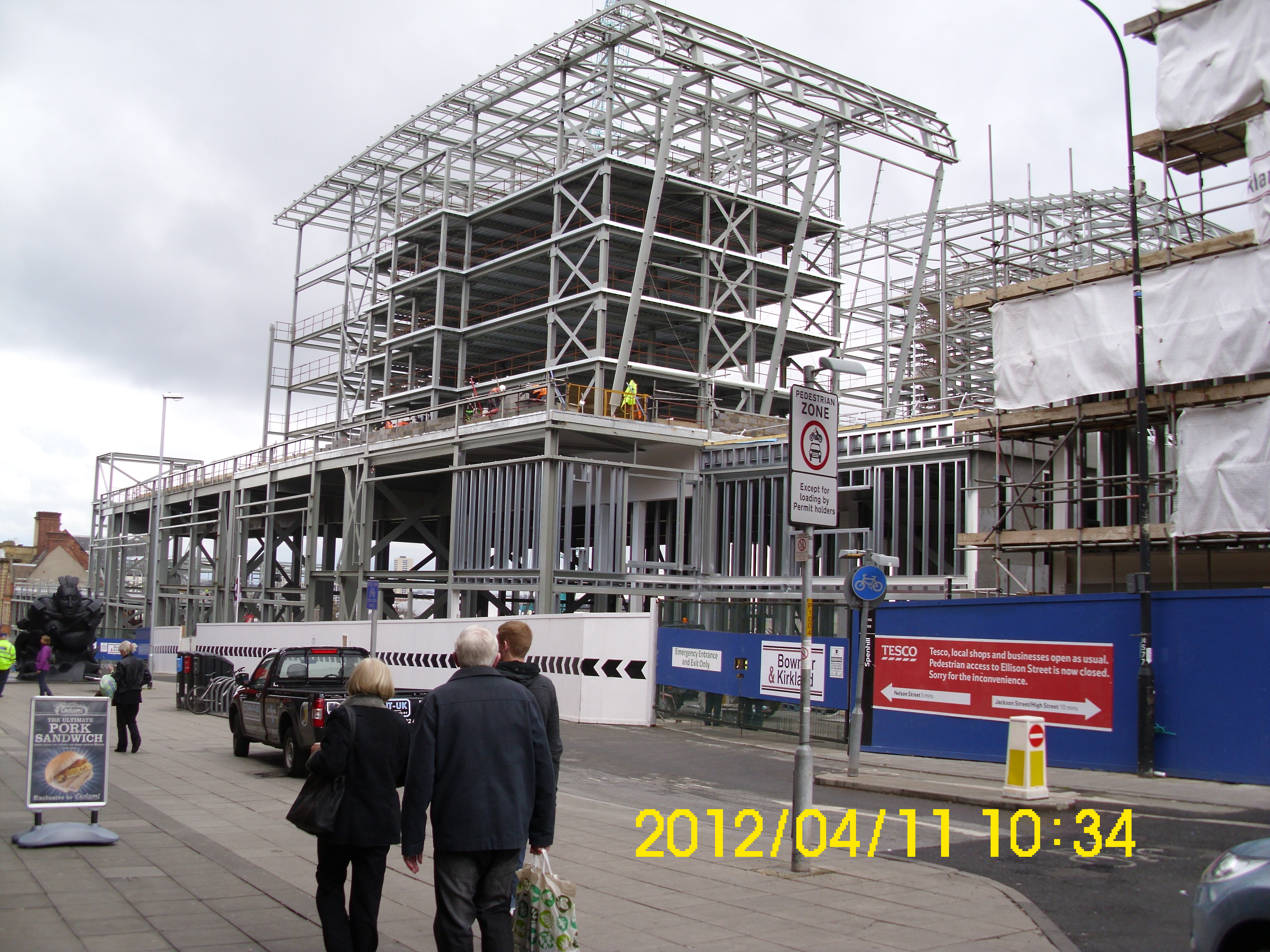
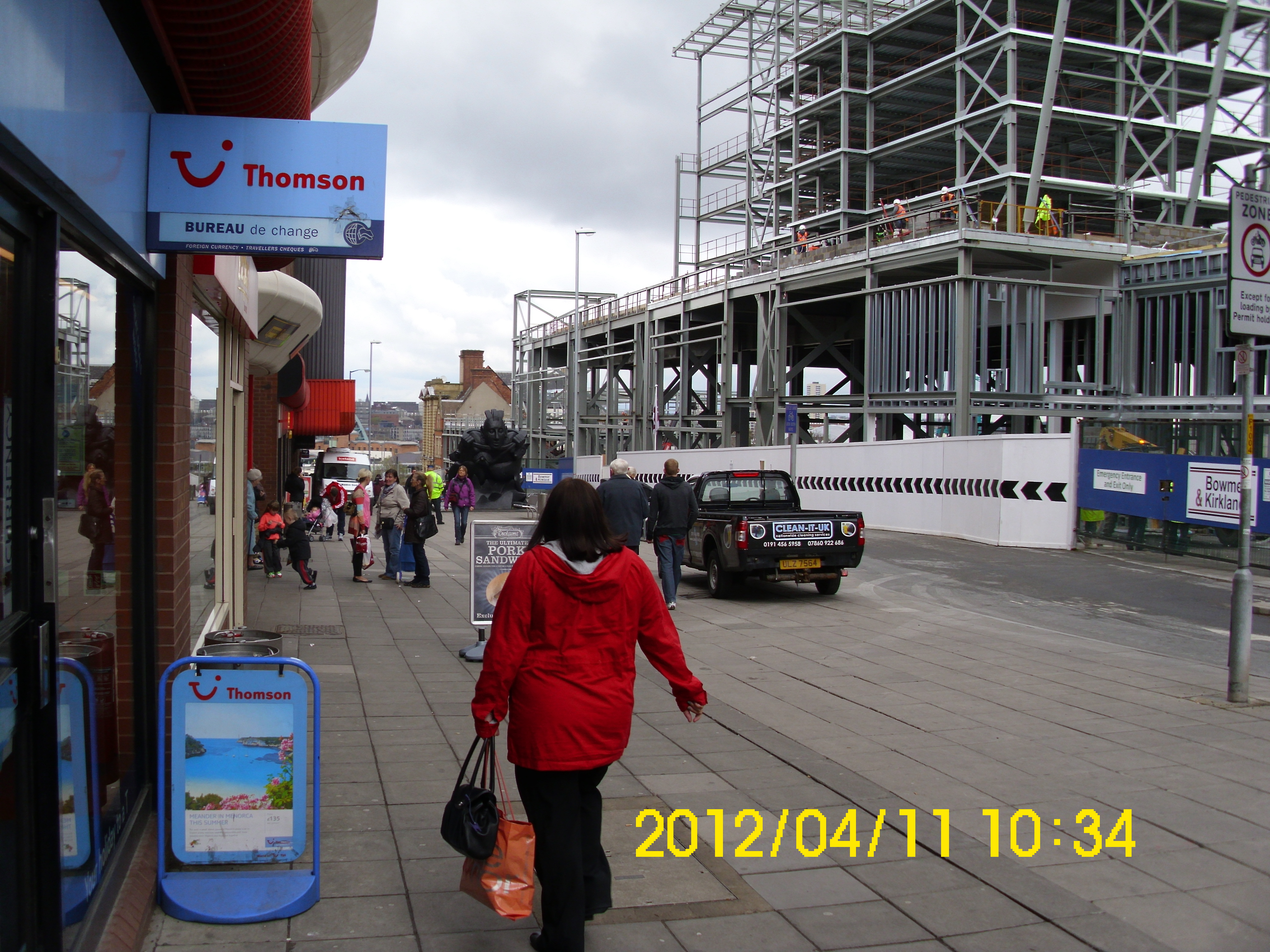
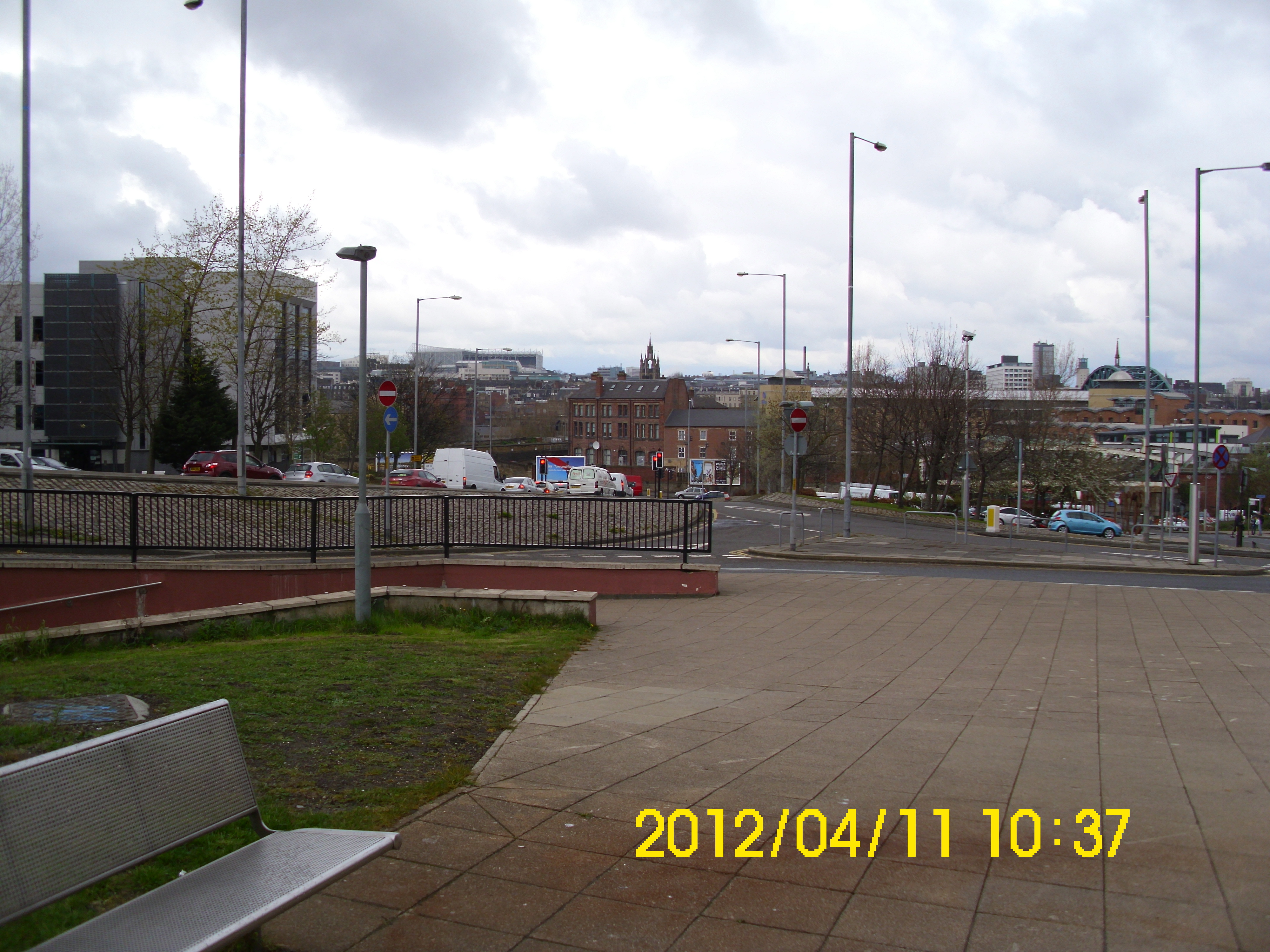
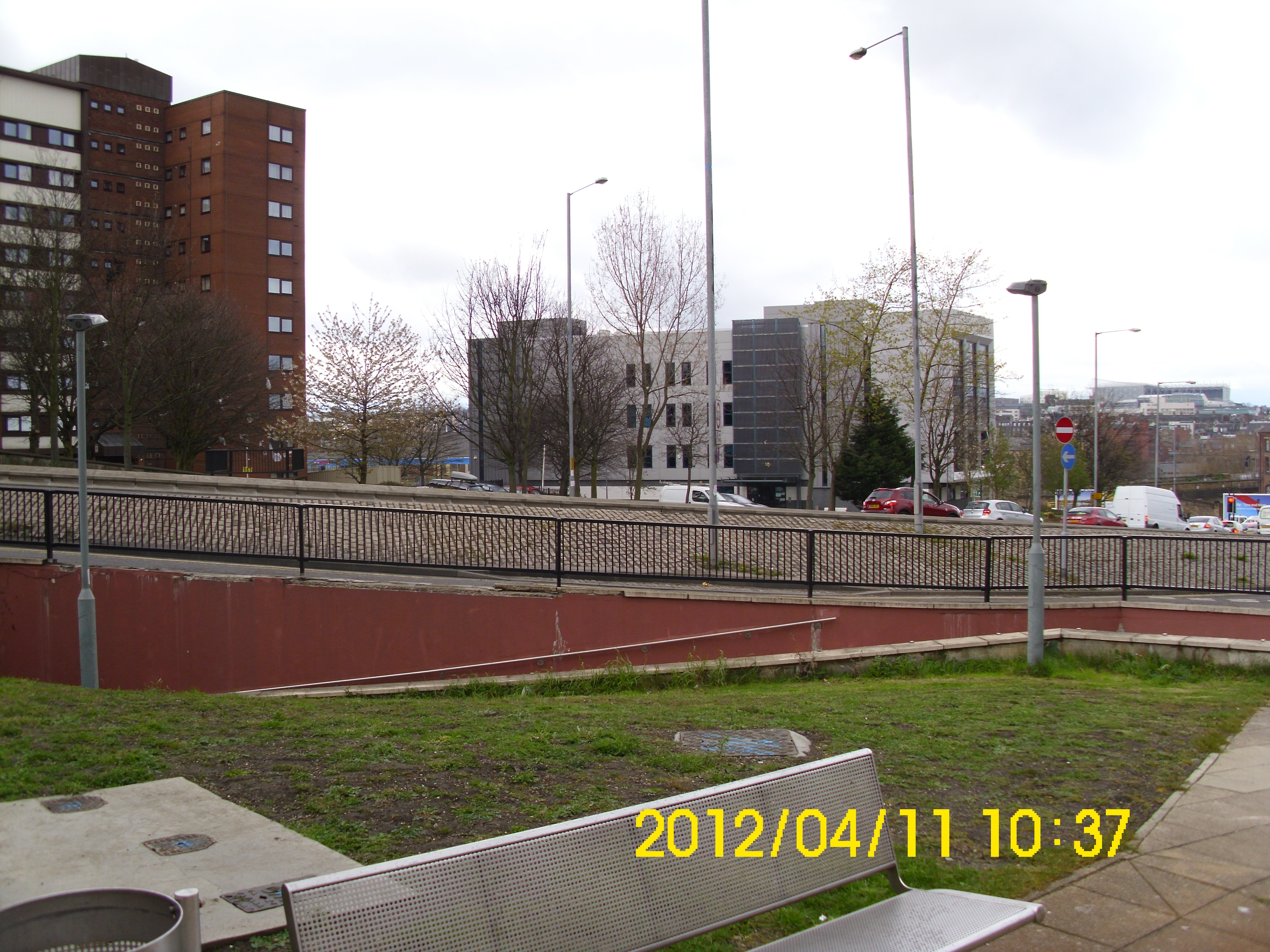
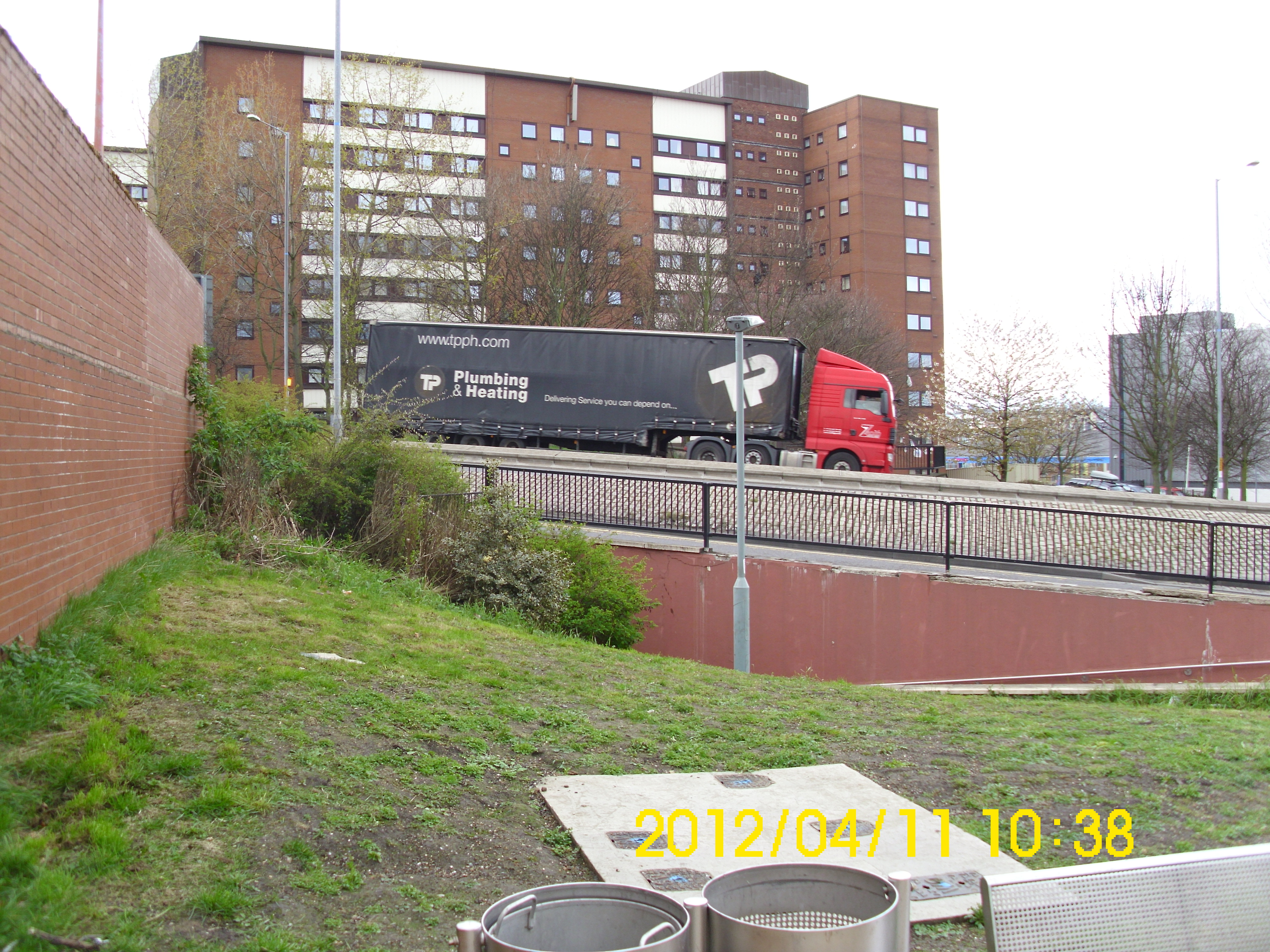
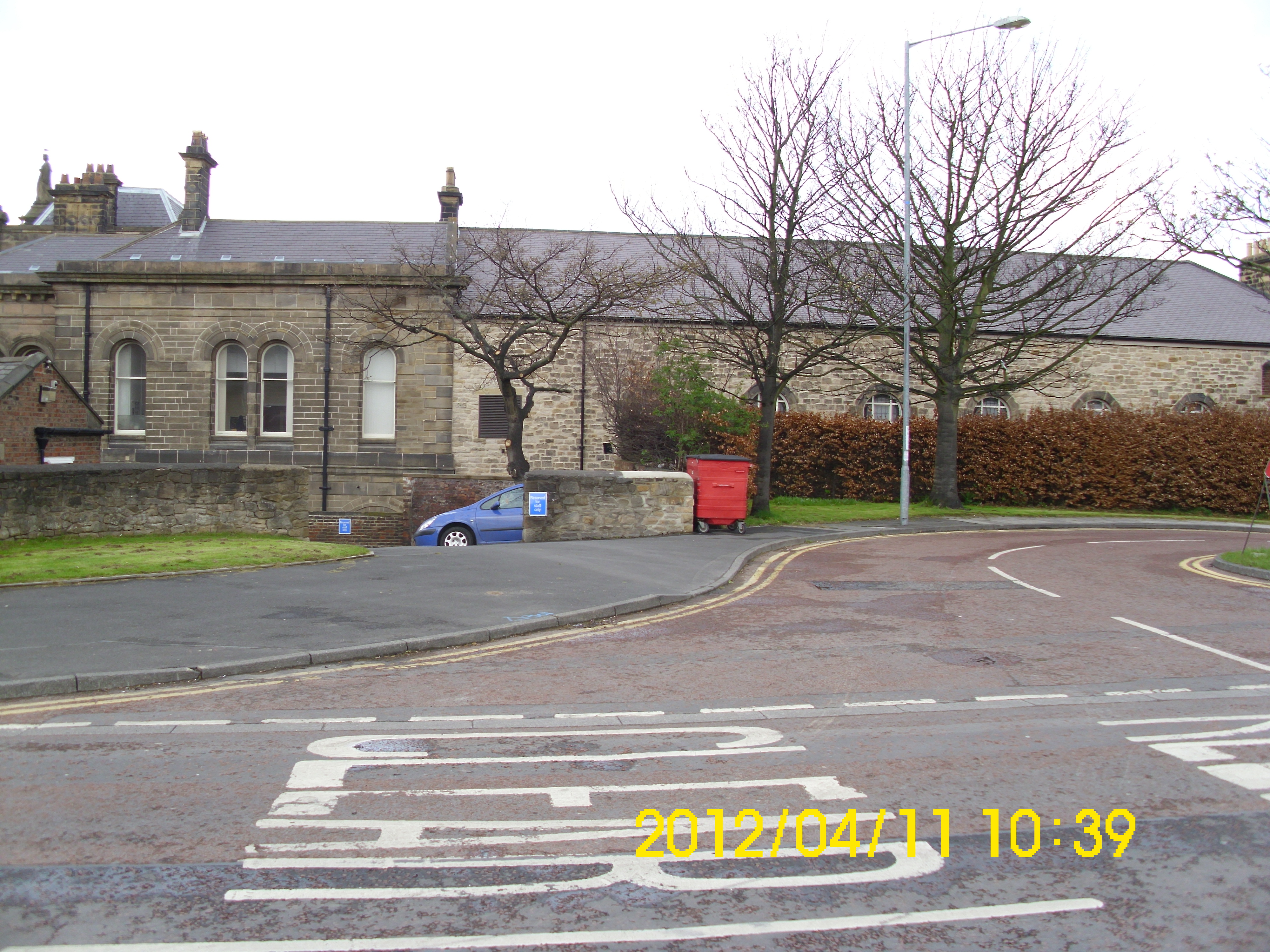
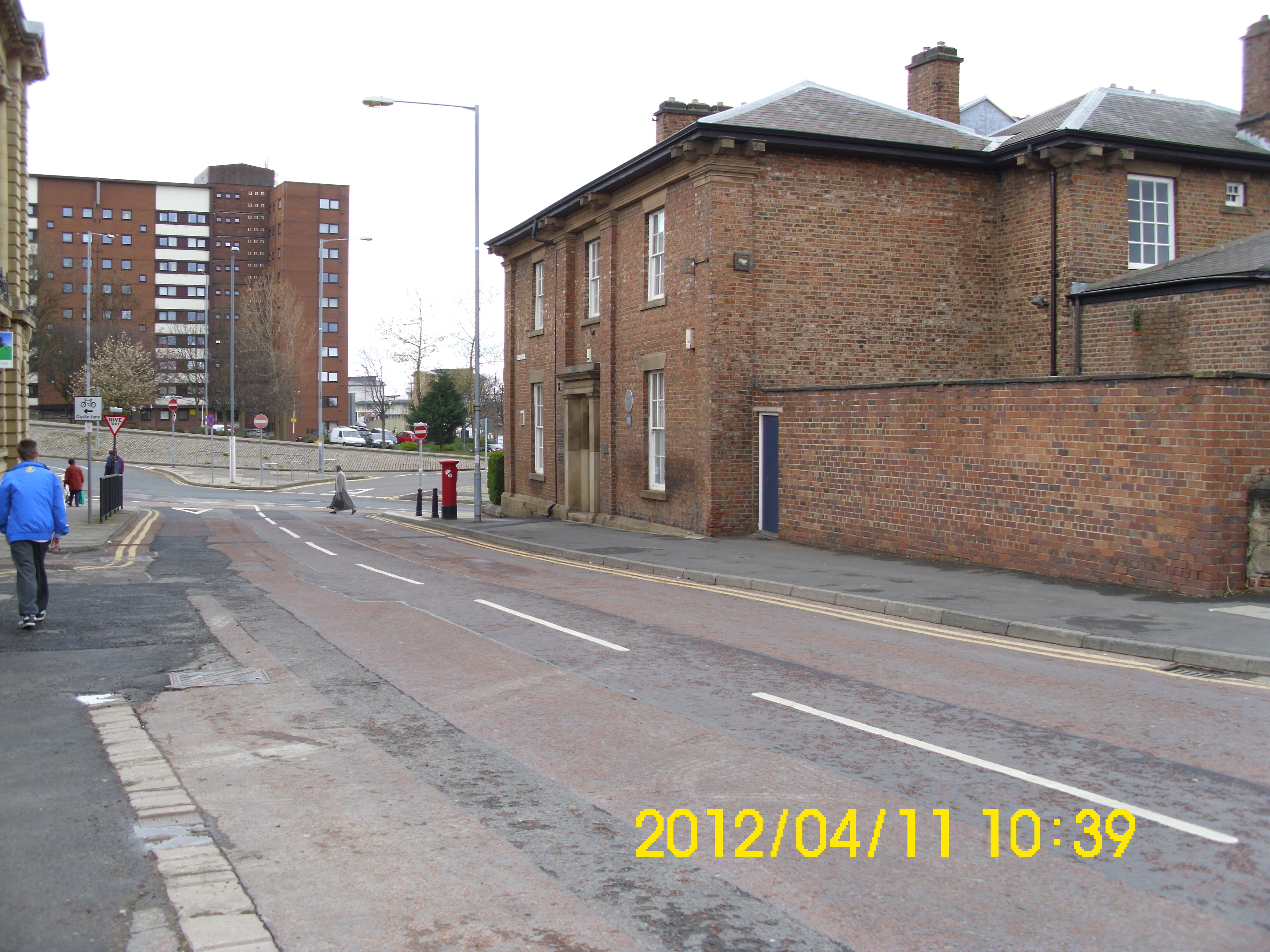
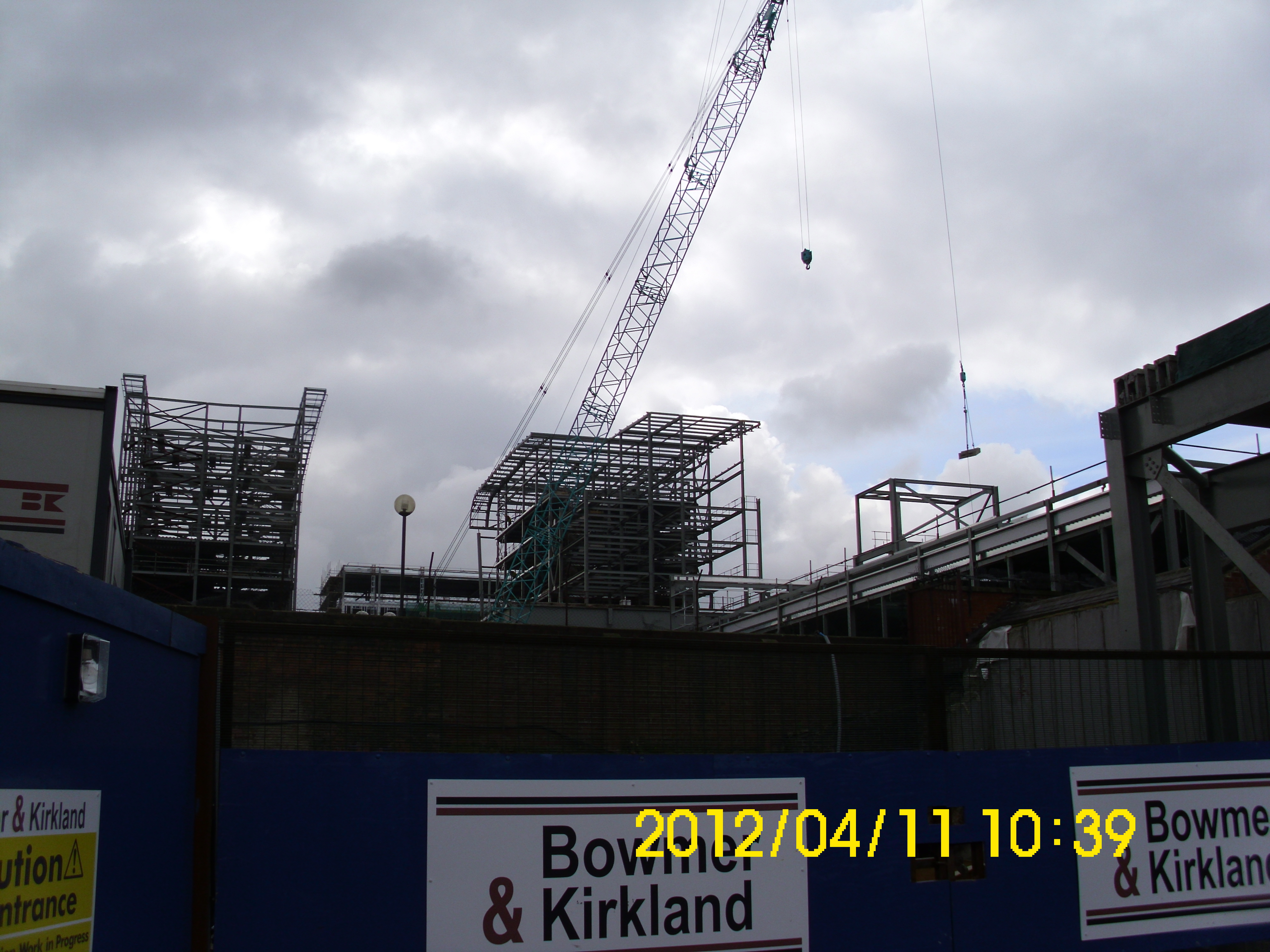
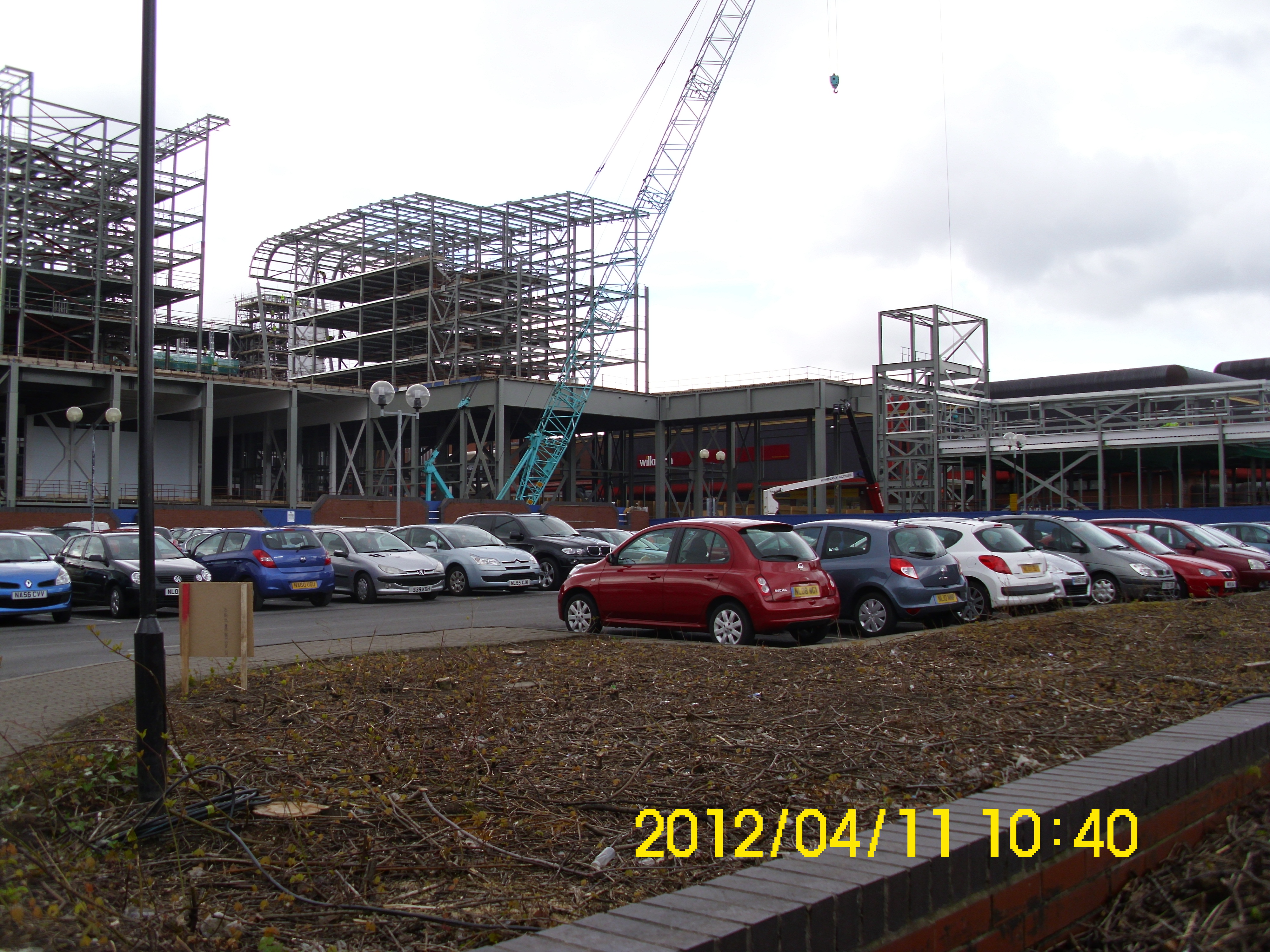
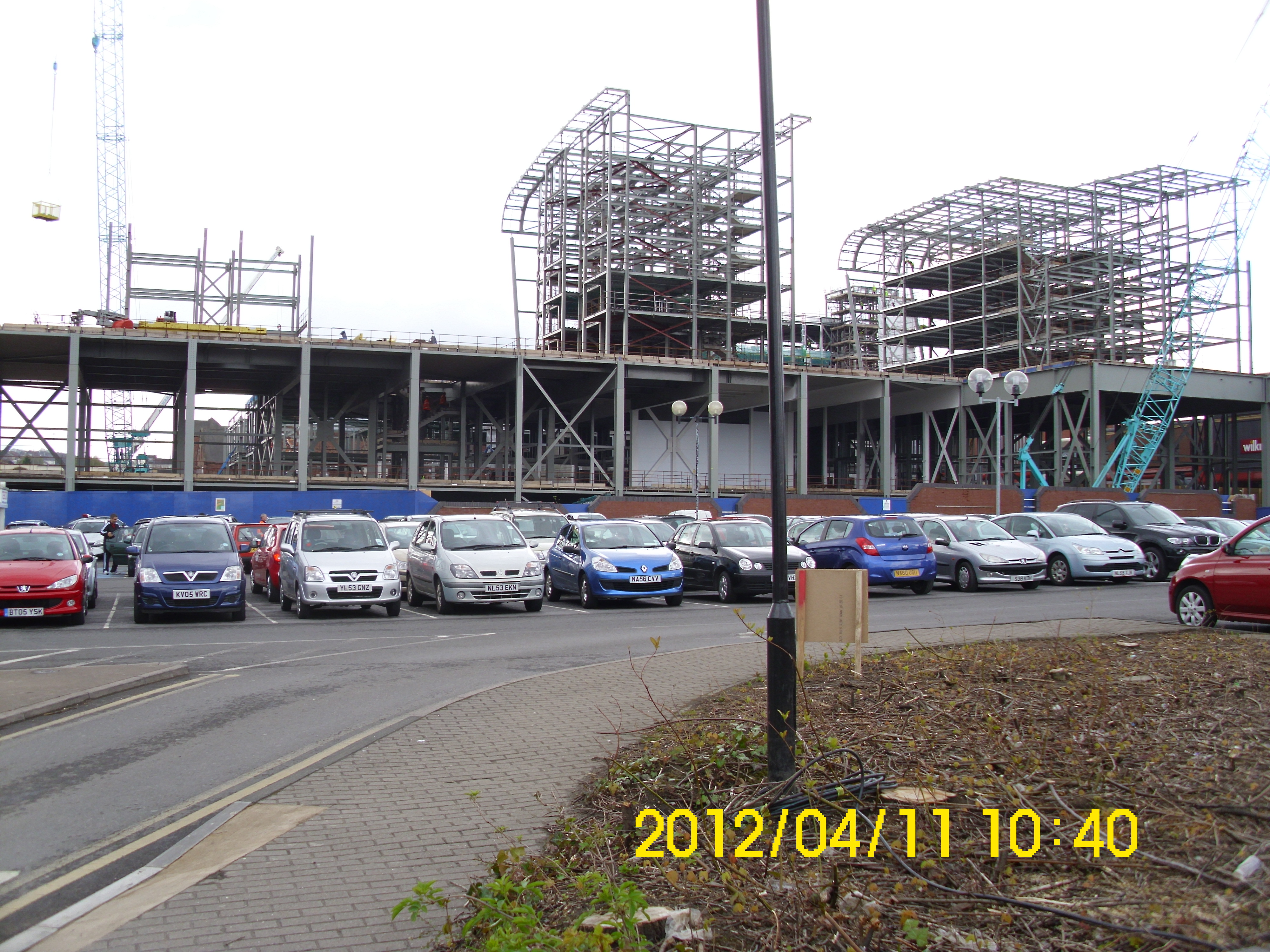
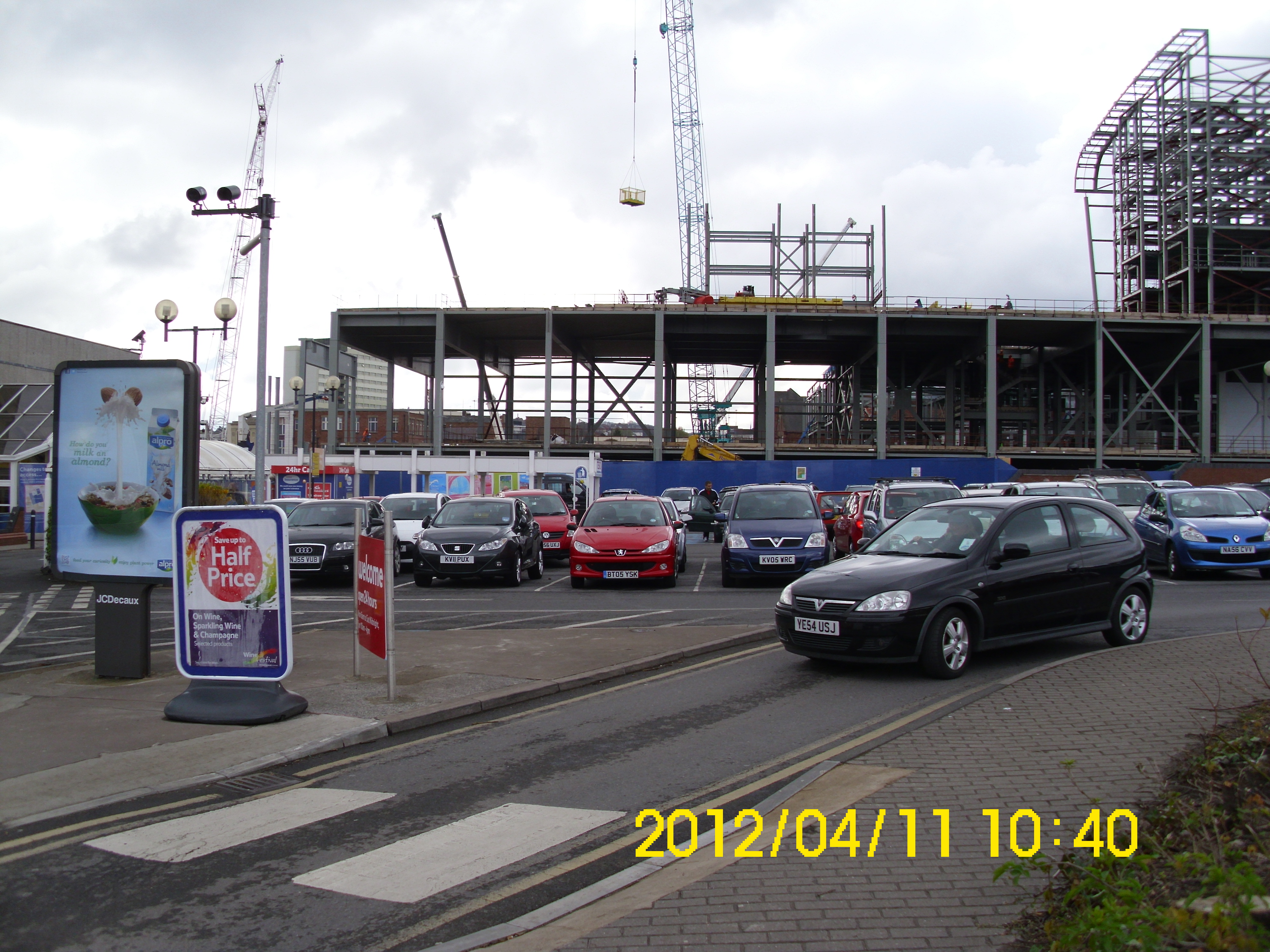
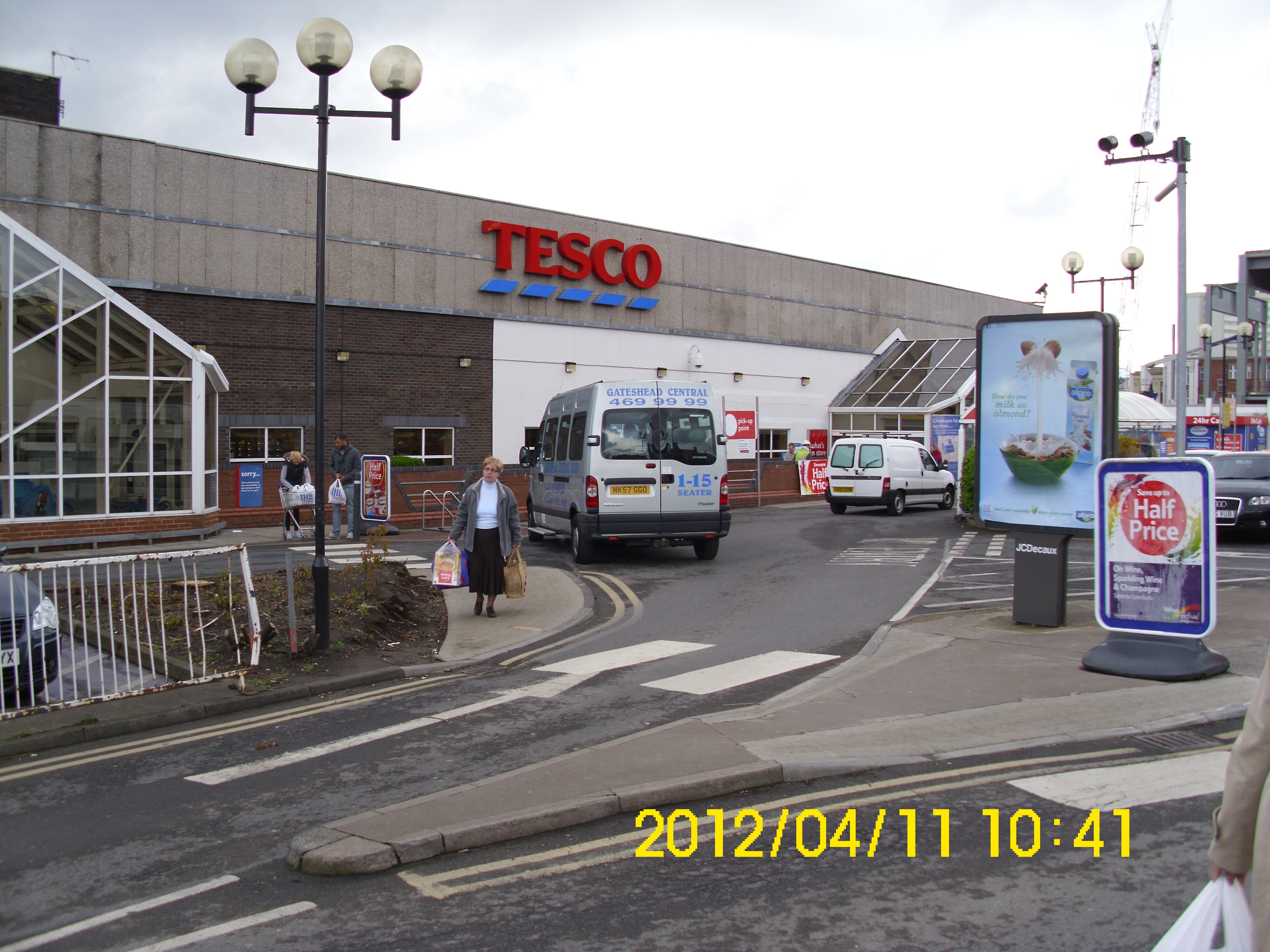
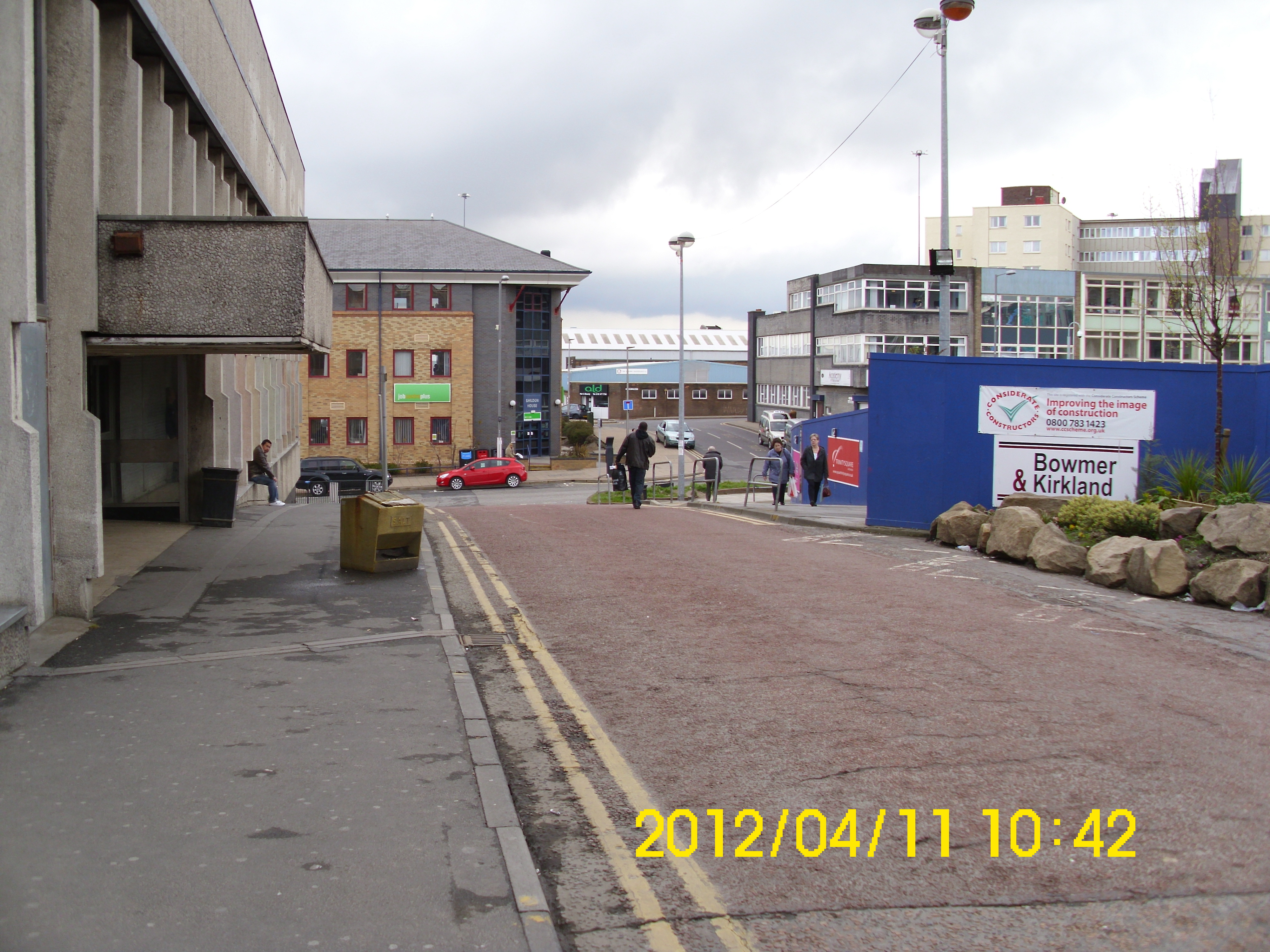
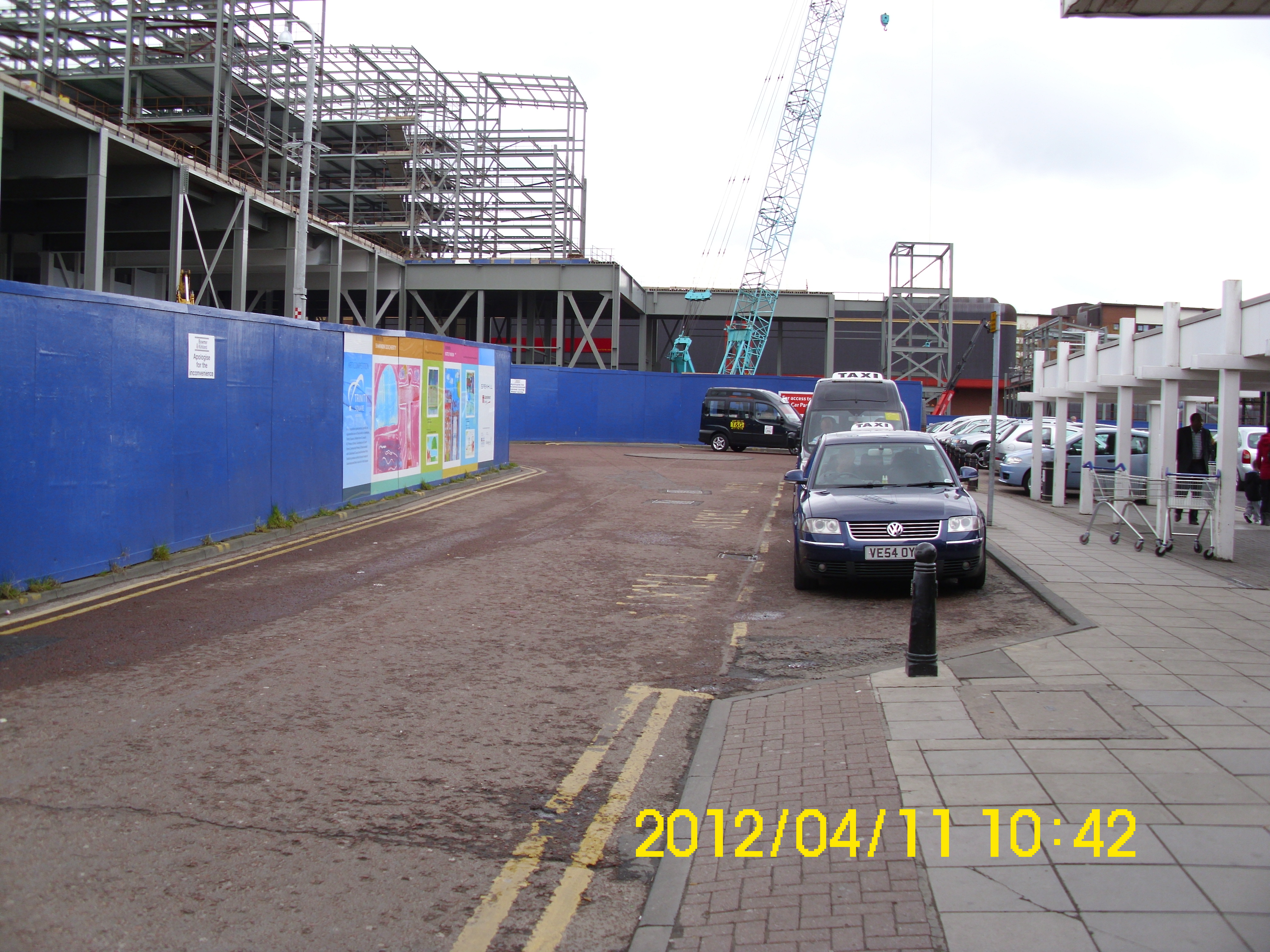
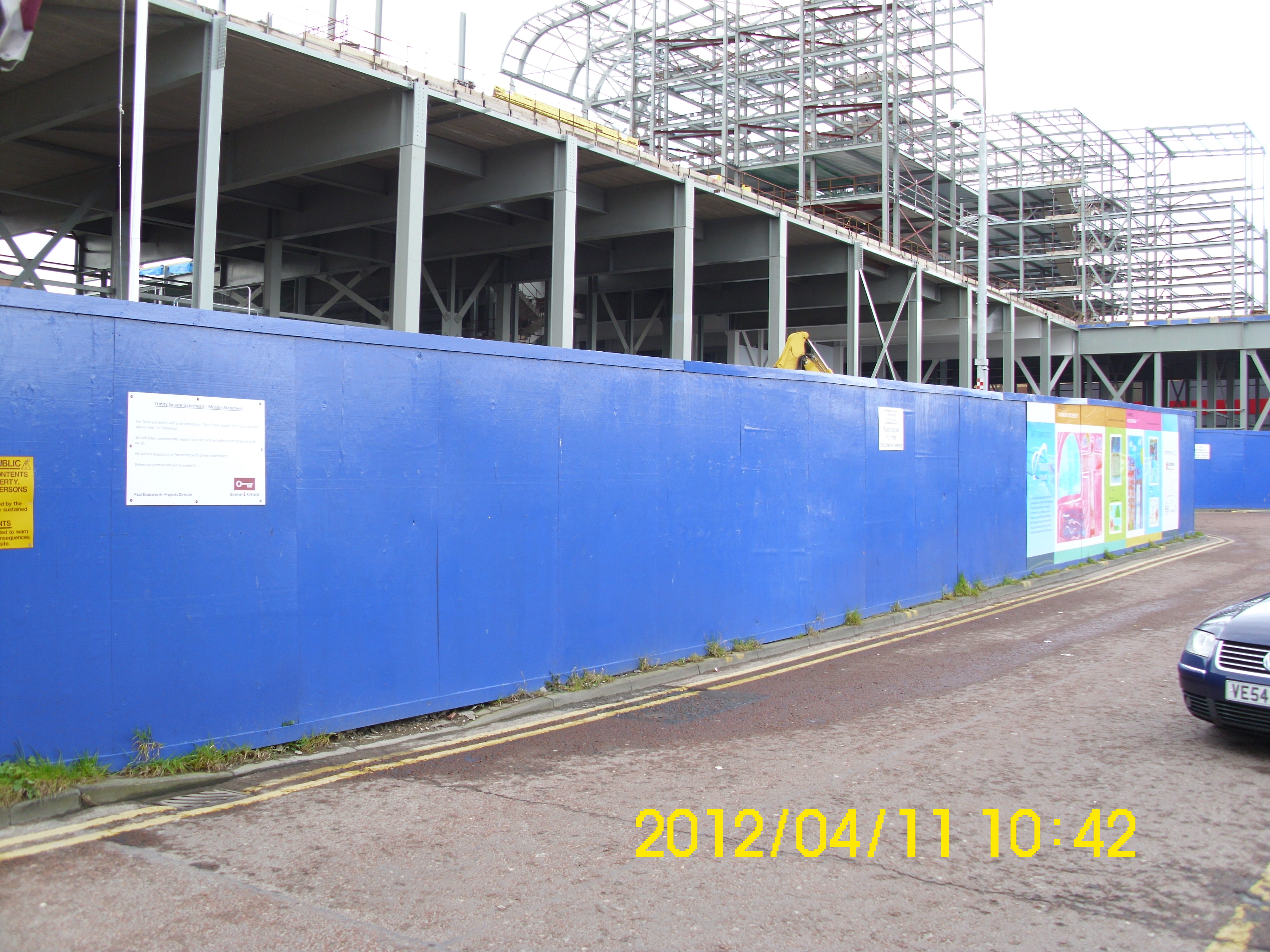
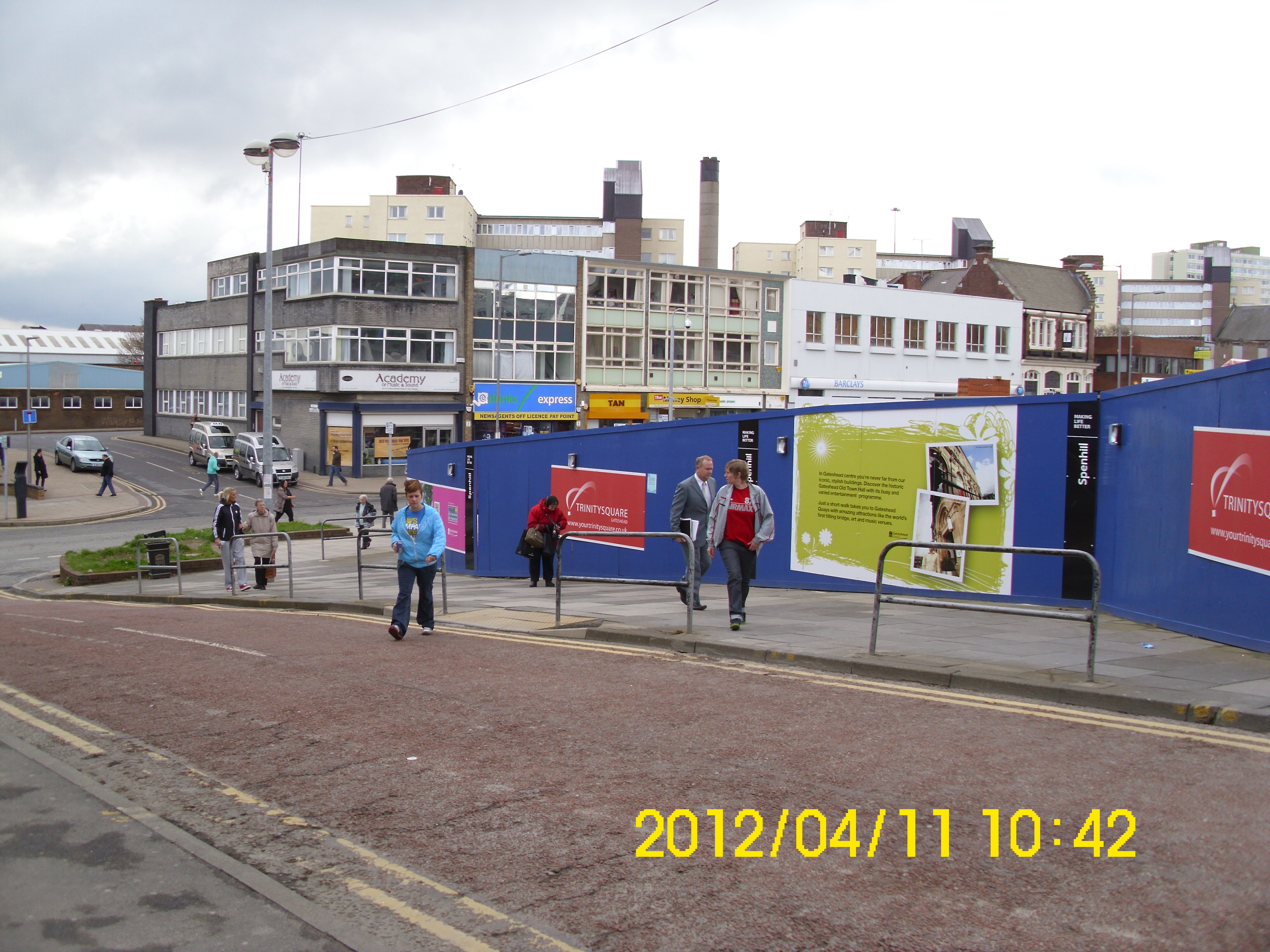
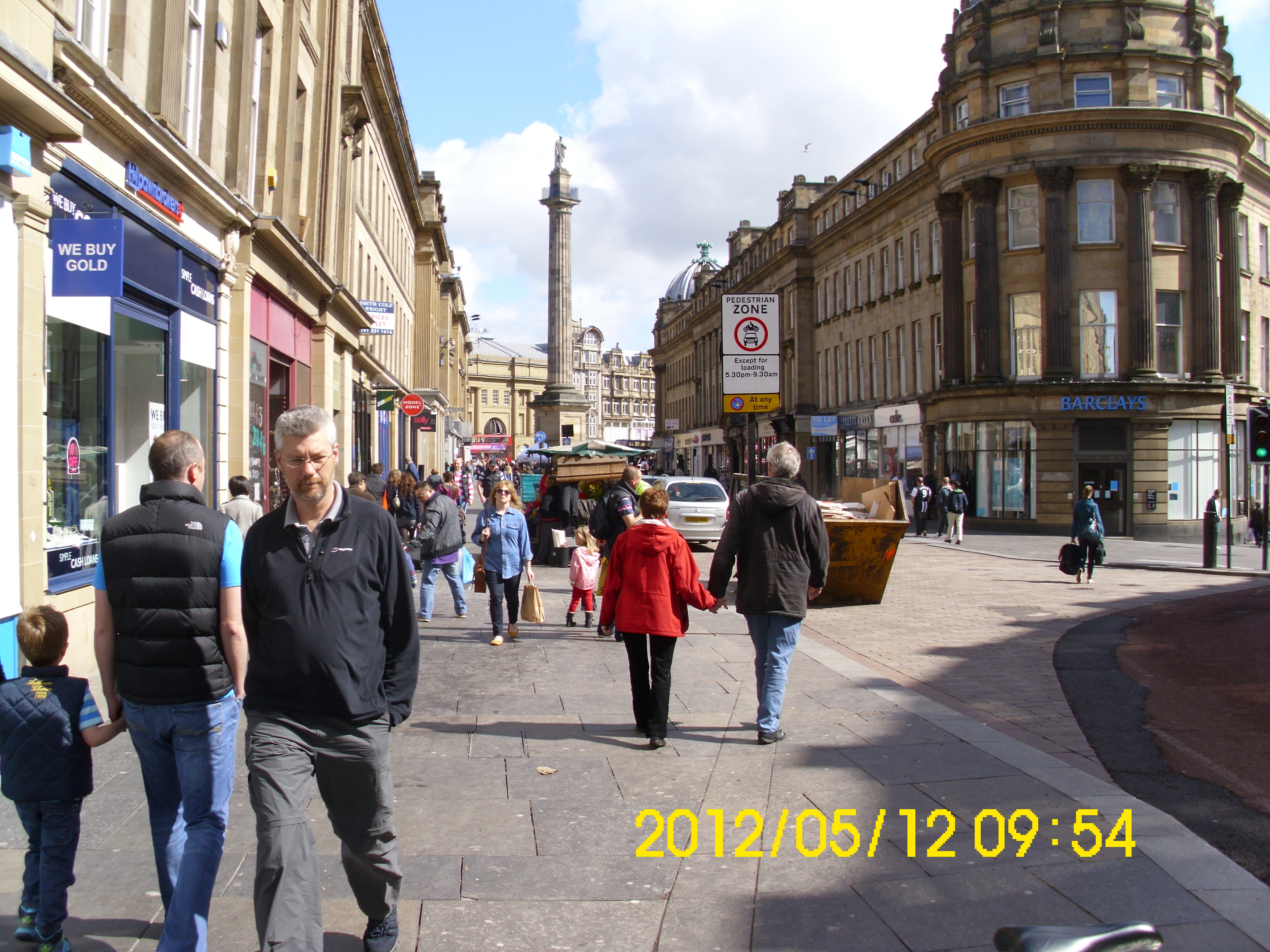
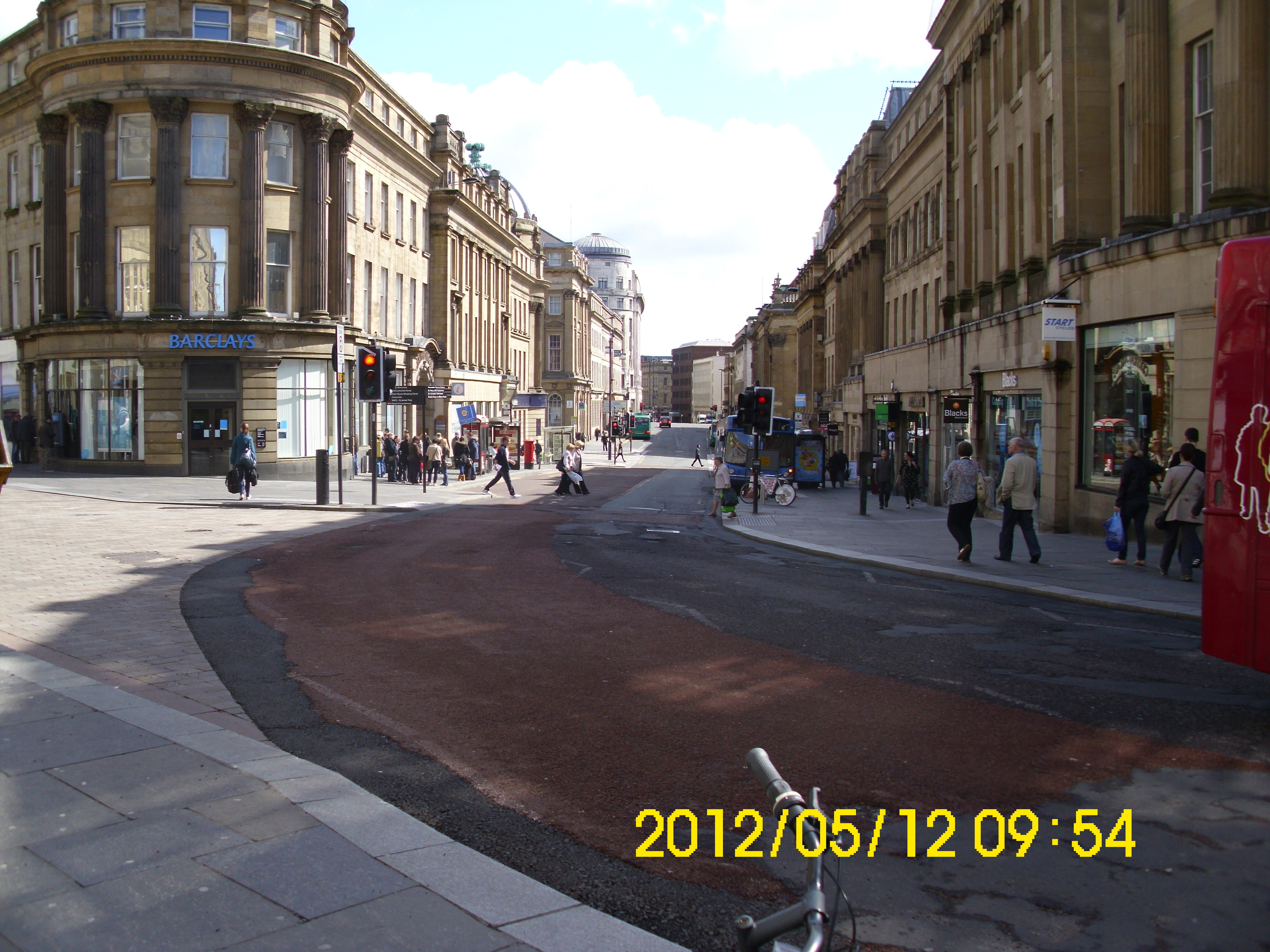
A walk in Gateshead in 2012.
The views are in the order of my route on the annotated map. Start is at bottom of the map.
Click on link to view photo, use Back Button <- to return here.
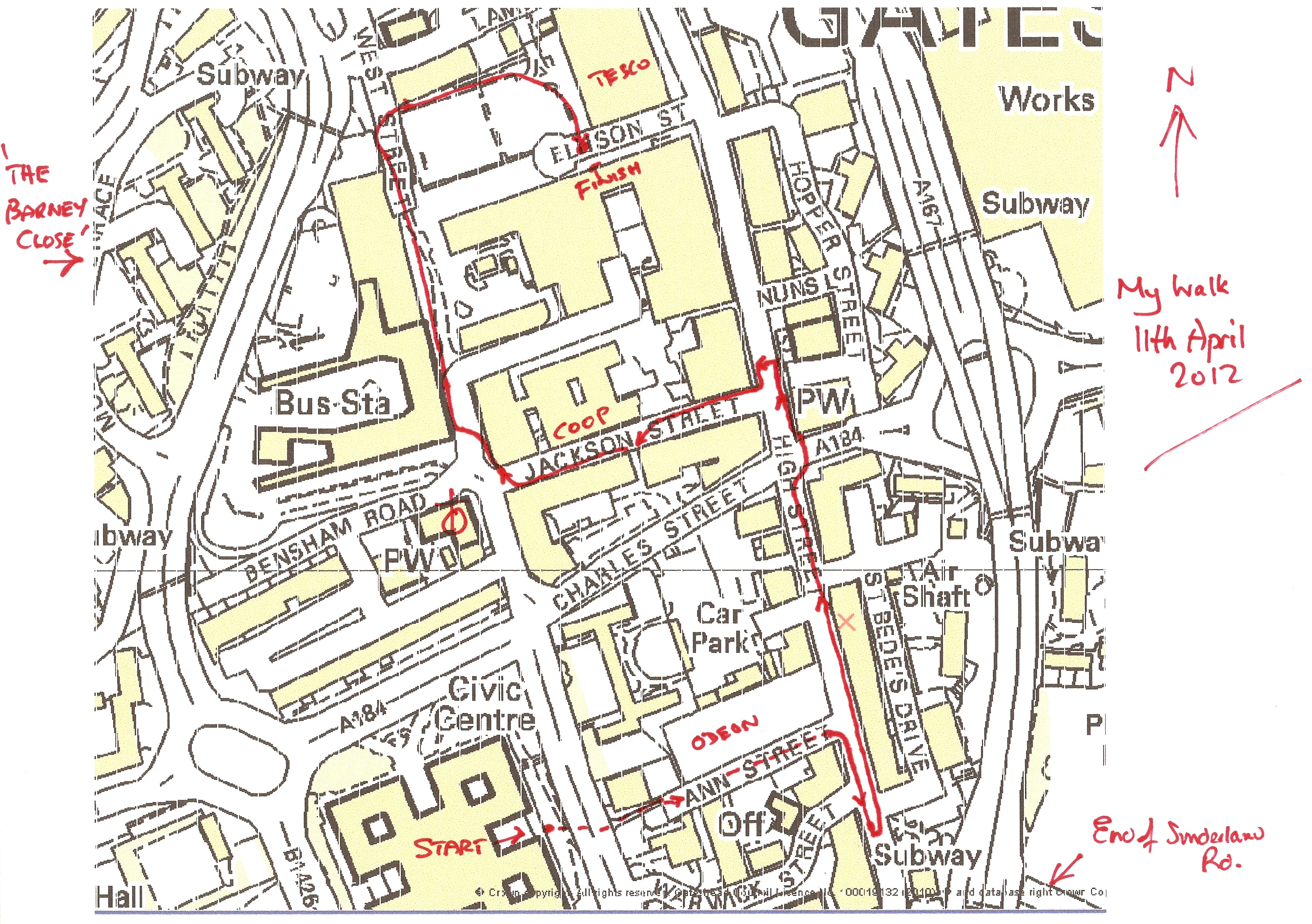
Start
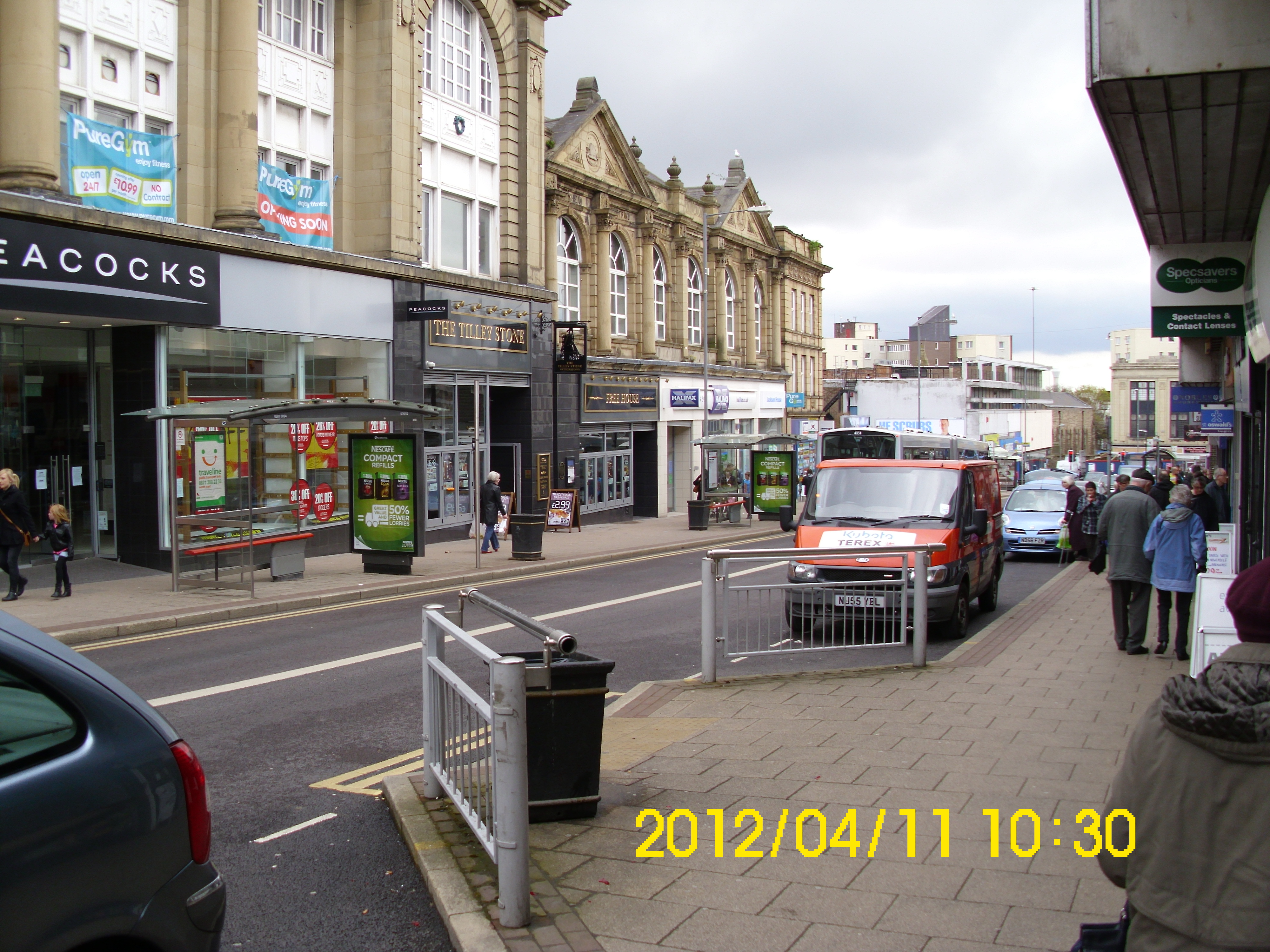
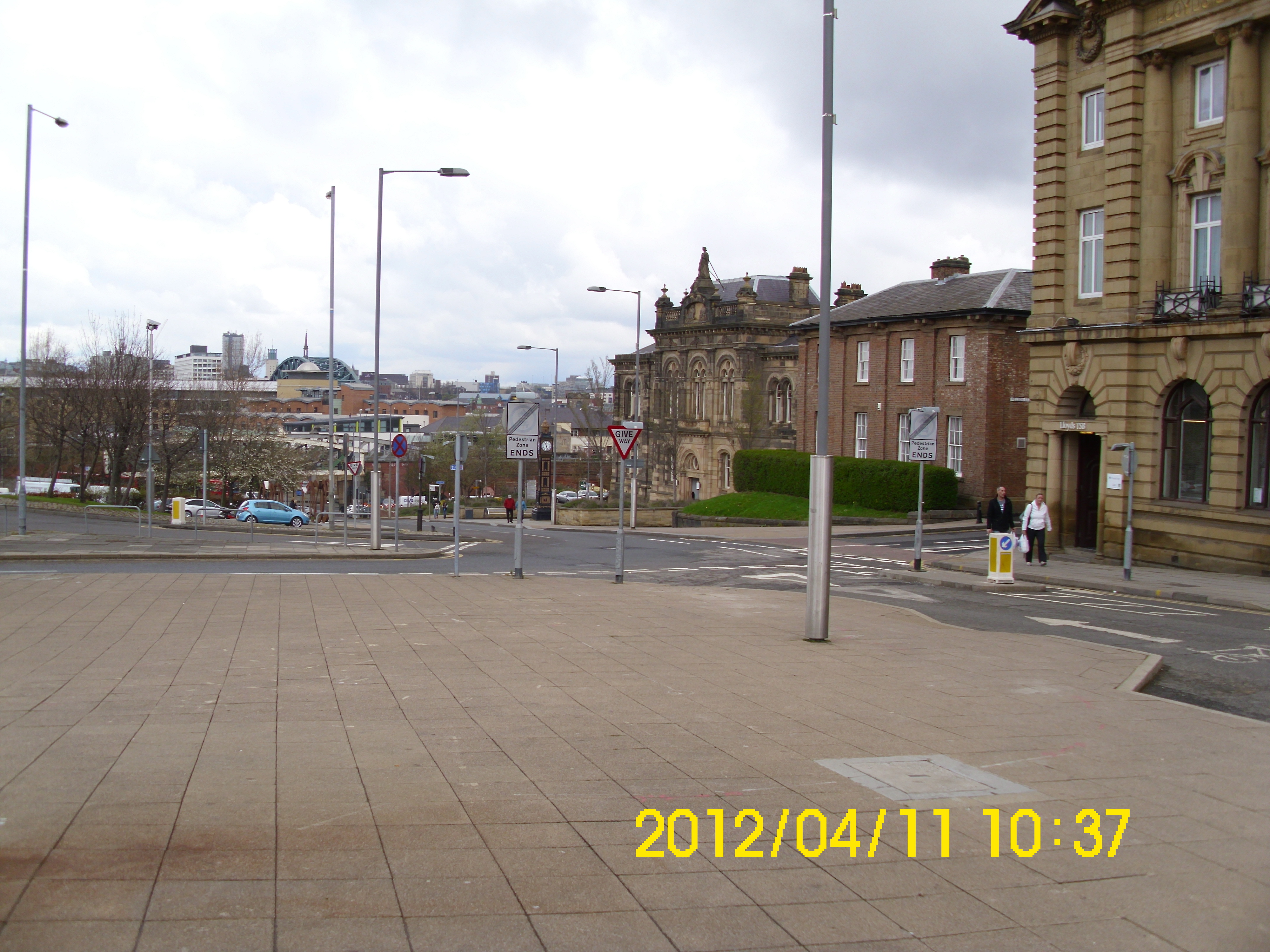
View from outside Civic Centre across what was High West St., to top of Nelson St.
Ditto, but looking South.
Ditto, but showing corner of Regent’s Court Flats.
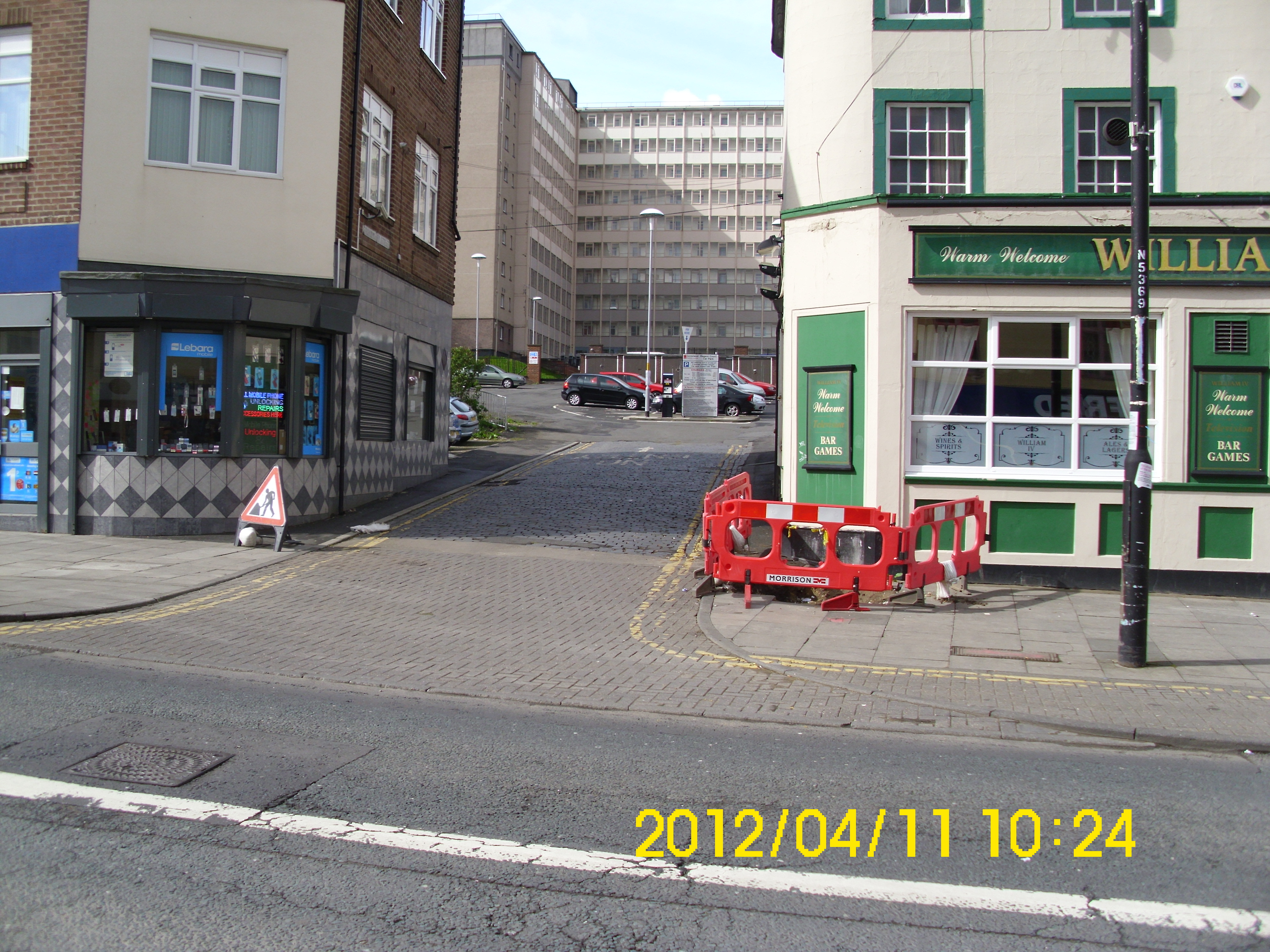
View down the (now cul-de-sacced) Nelson St.
From top of Nelson St.
View across void that used to be Odeon Cinema, to Gateshead High St.
Similar, but showing corner of Regent’s Court Flats.
Moved down Nelson St a little. Amazing how big Odeon used to be.
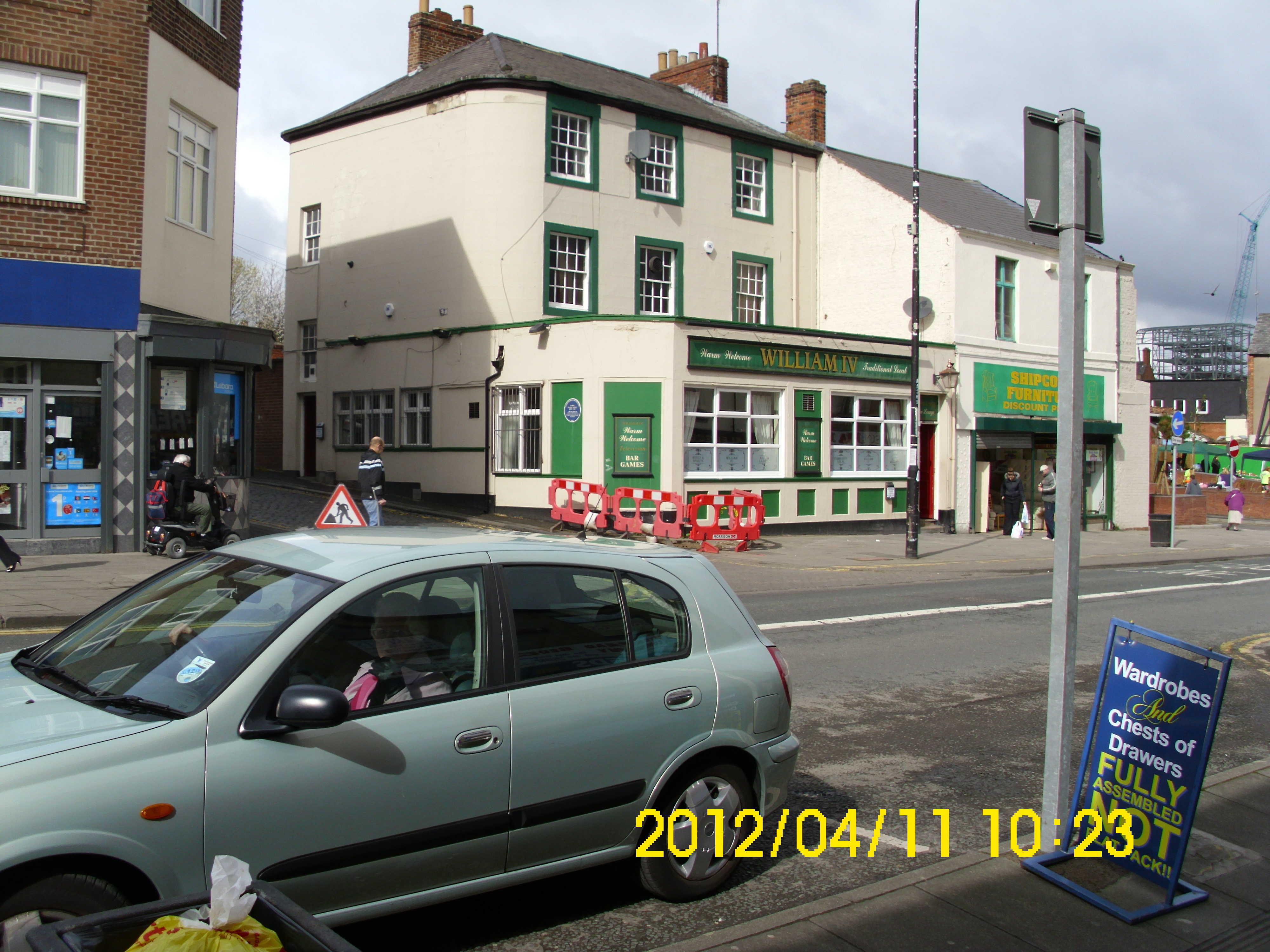
Bottom of Nelson St – can’t remember what this pub used to be called.
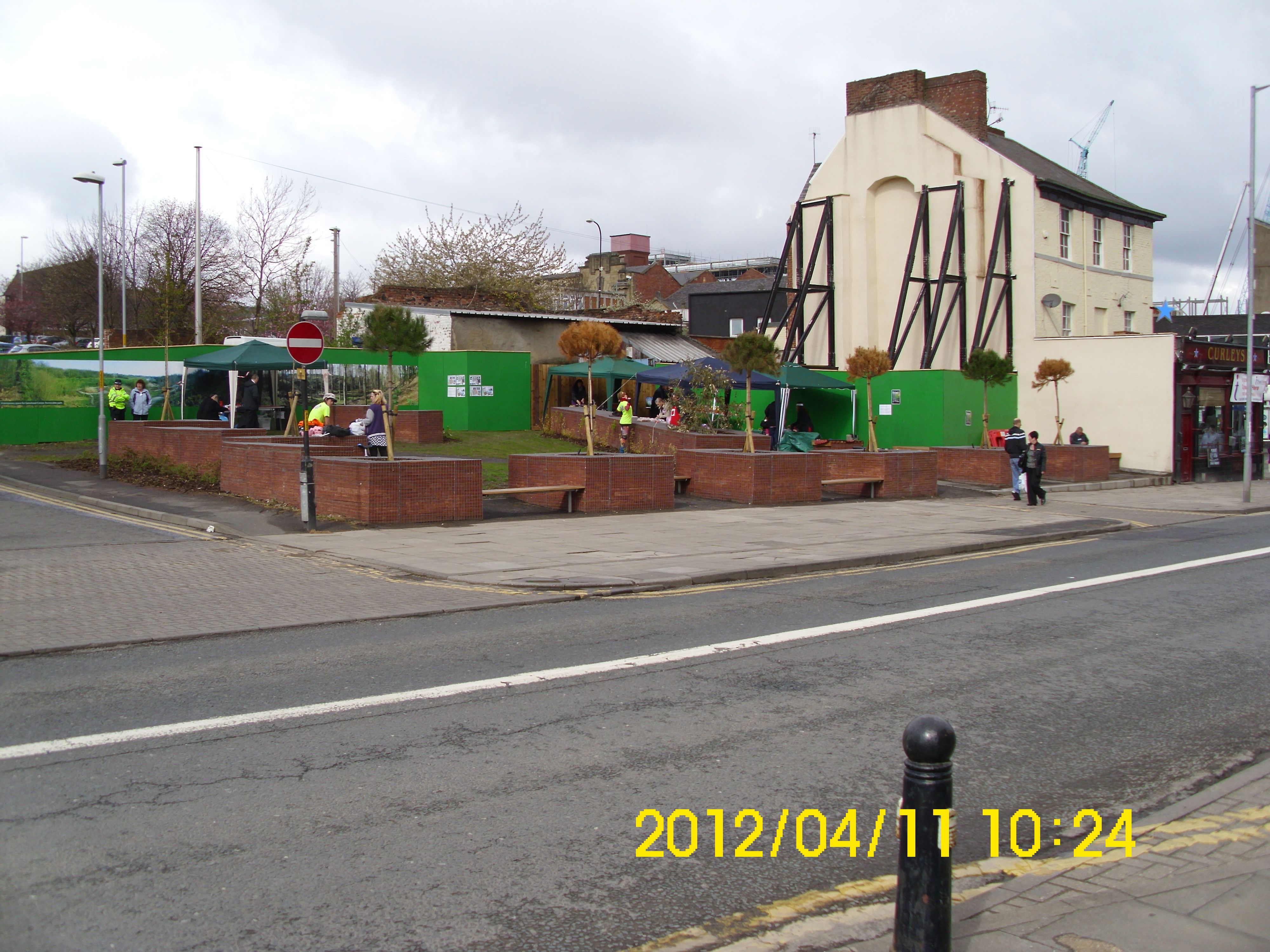
Attempt to ‘beautify’ derelict Odeon site, shows how long this land has been empty.
View up to end of what used to be Sunderland Road.
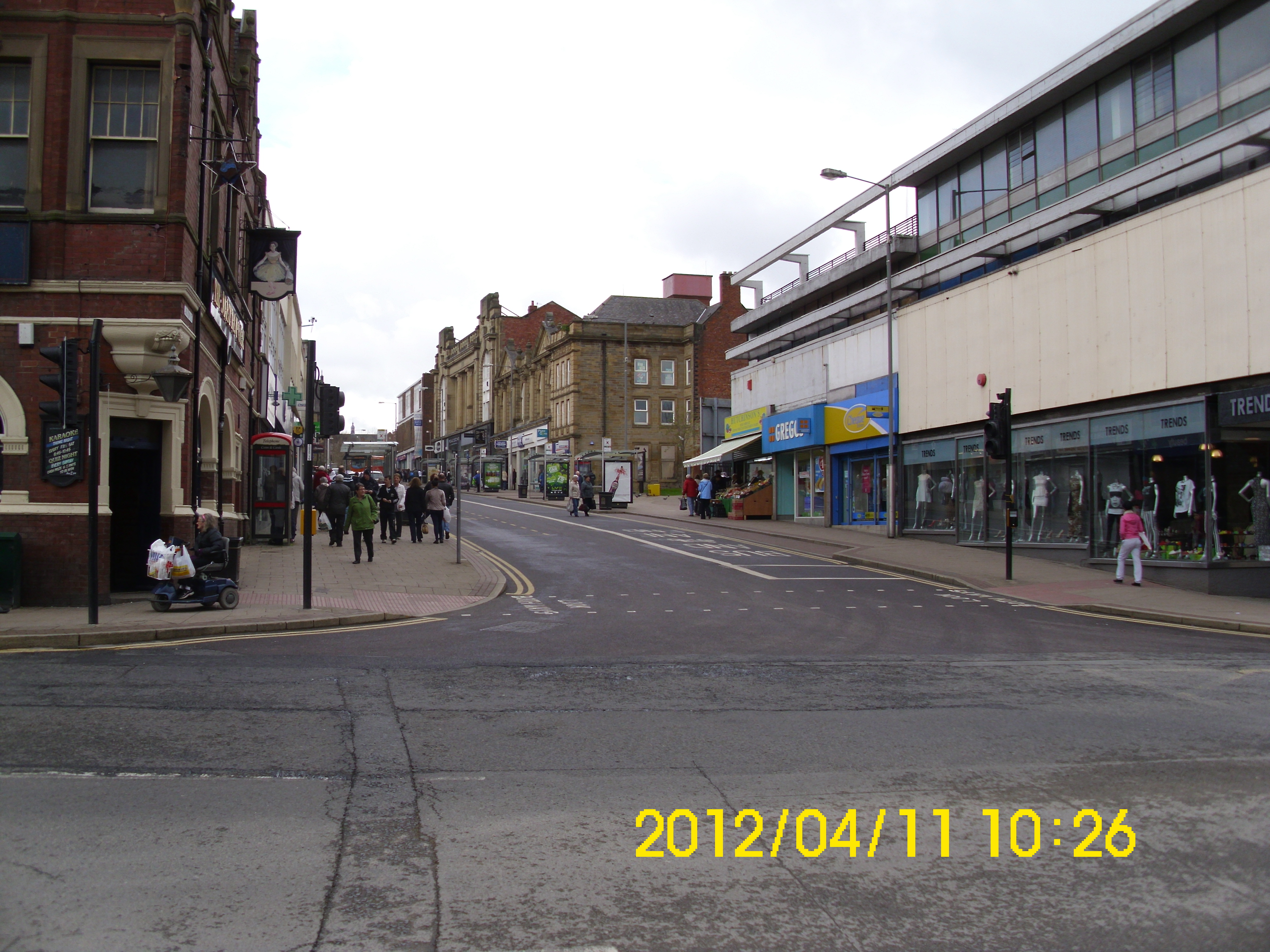
Yes, do recognize this pub. Looking South to ‘top’ of High St.
View ‘along’ now blocked-off Sunderland Rd.
View north from same position.
View of would have been front of Odeon.
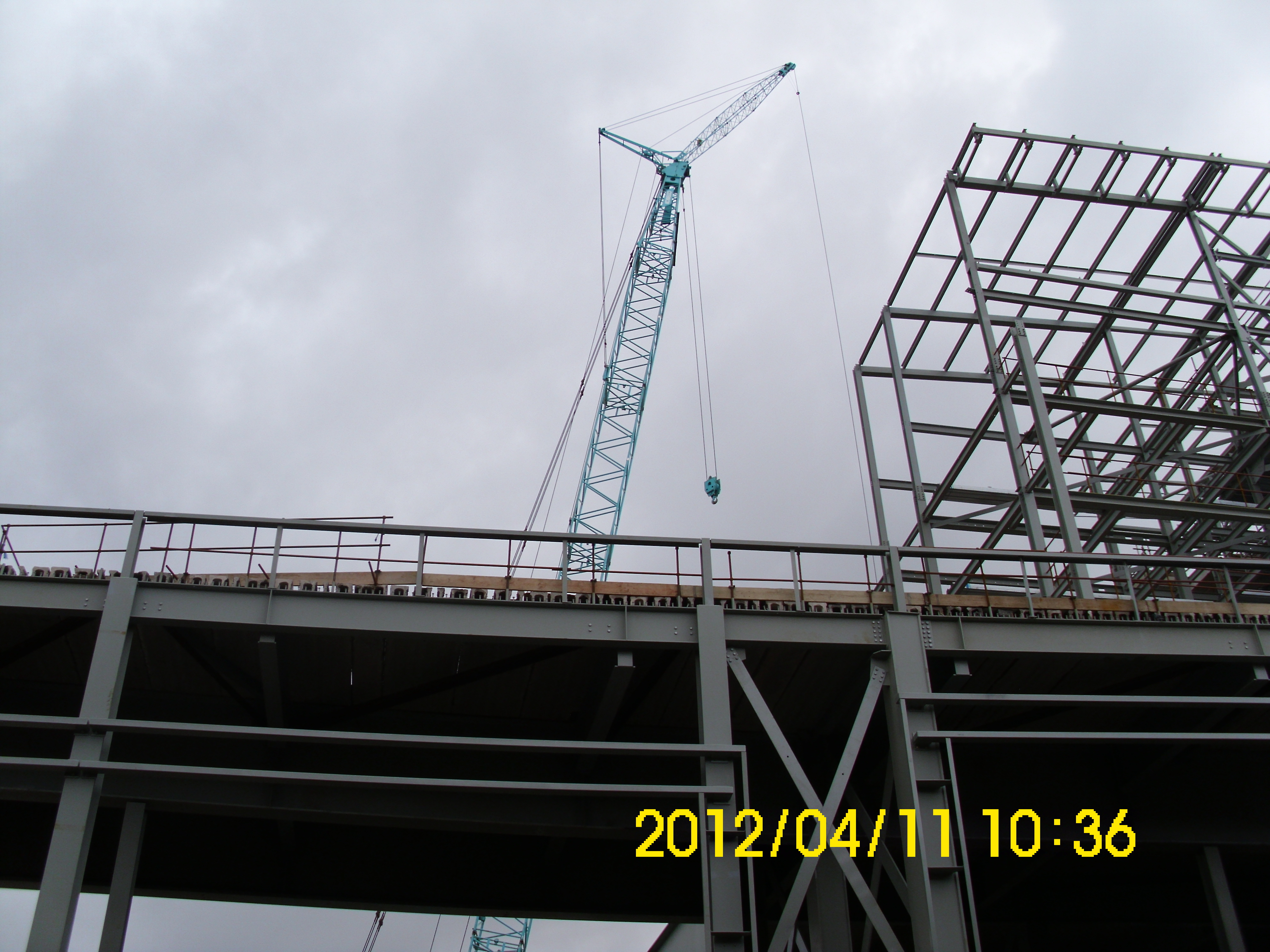
View north from same position. Construction crane at ‘Trinity Square’ clearly seen.
Mum & Dad’s old watering hole – still seems popular.
Regent’s Court flats again!
Back of RH side of High St., going north – this pub still same name. I remember there were underground toilets in the middle of street here. The ‘Ladies’ toilets had a missing frosted-glass brick in the roof, and myself and other ‘little devils’ from ‘All Saints’ school, used to peep down at some unfortunate woman’s bum, as she sat on the toilet. Various unprintable epithets from the poor victim would result as a consequence of our laughing and ‘comments’.
If you want a pee now, find a bush, as there is no replacement apparent on the High St.
Alas! Block containing Law’s Herbal Store is no more.
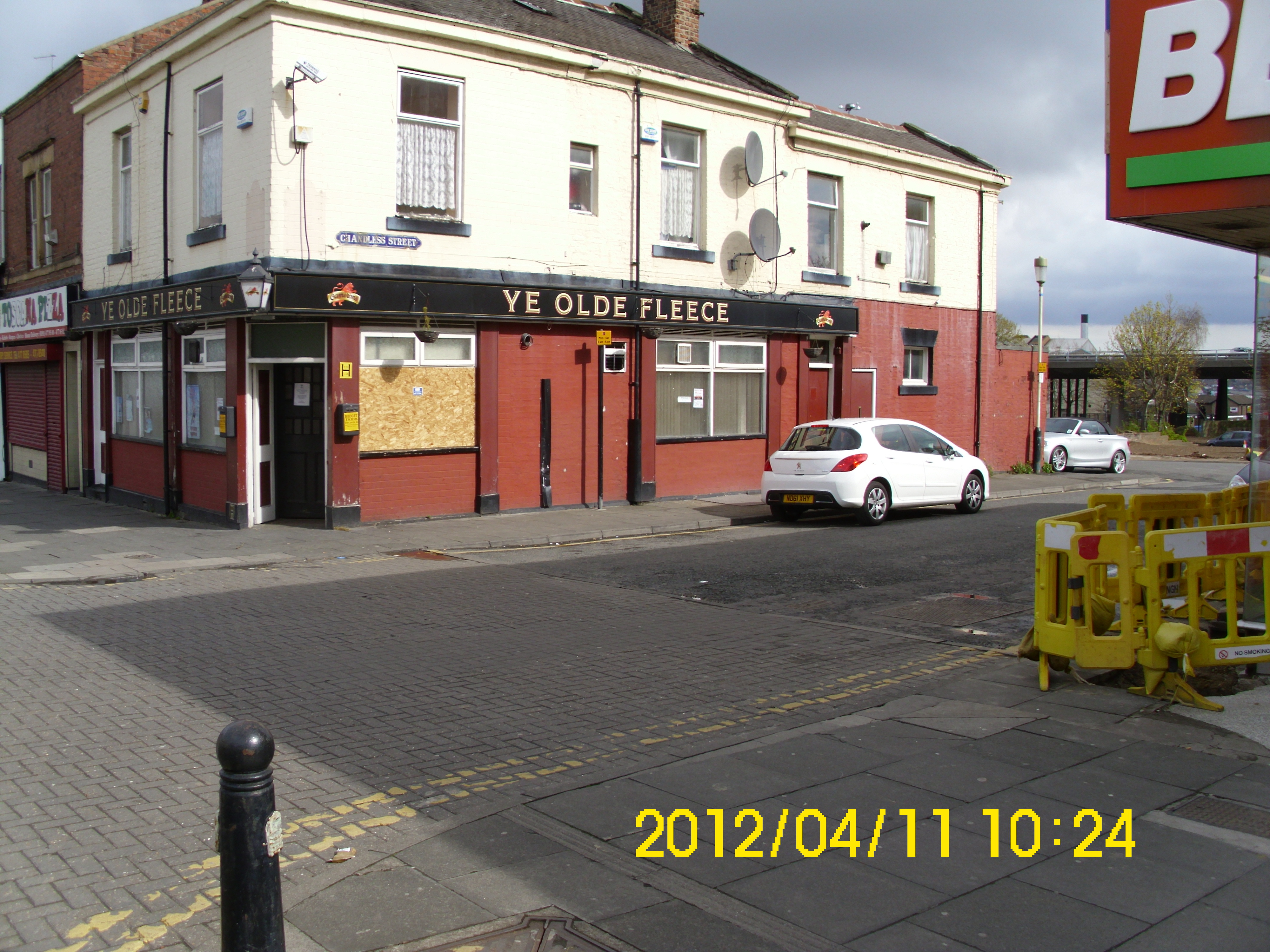
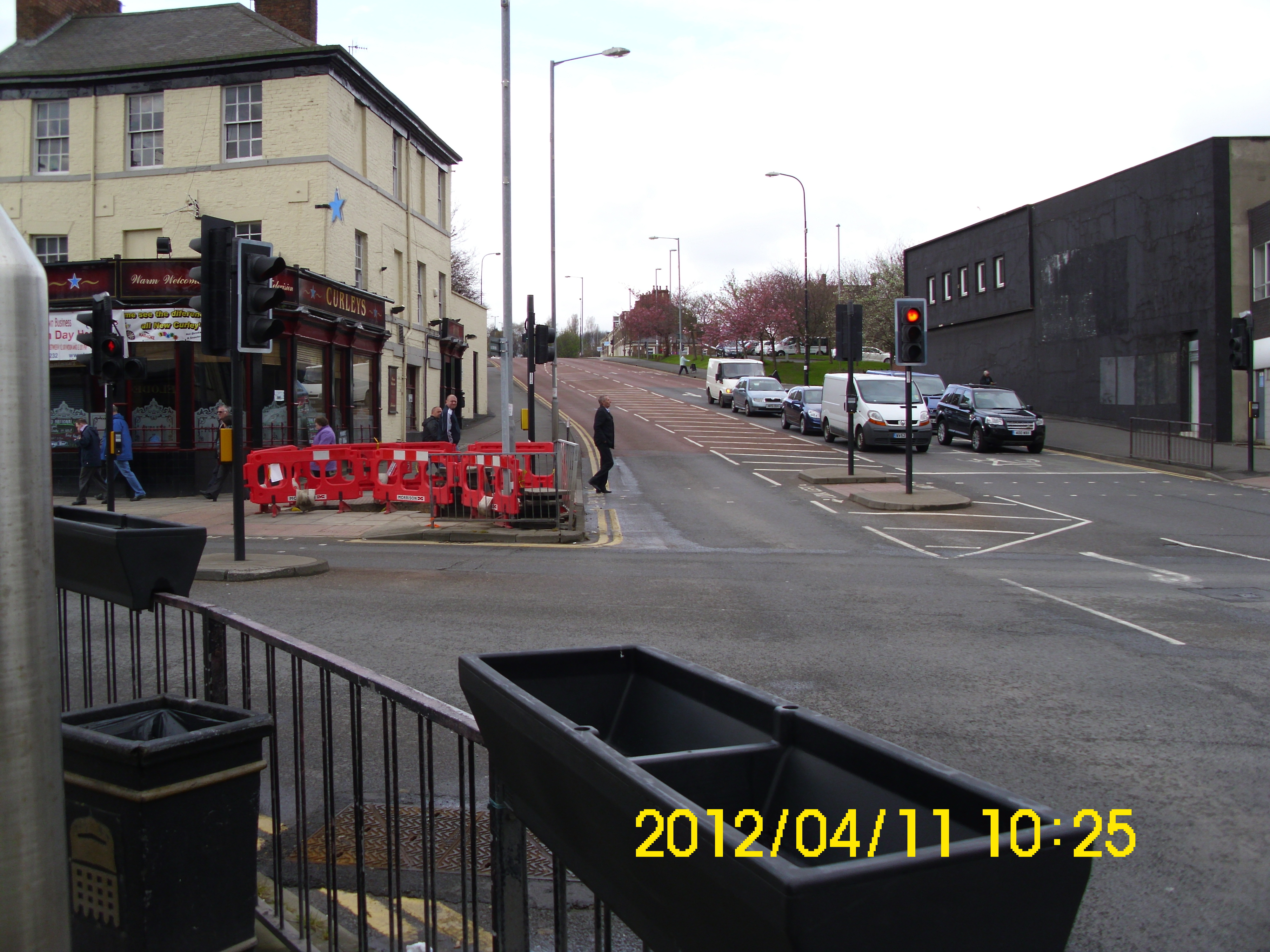
Curley’s is another pub that still clings onto life.
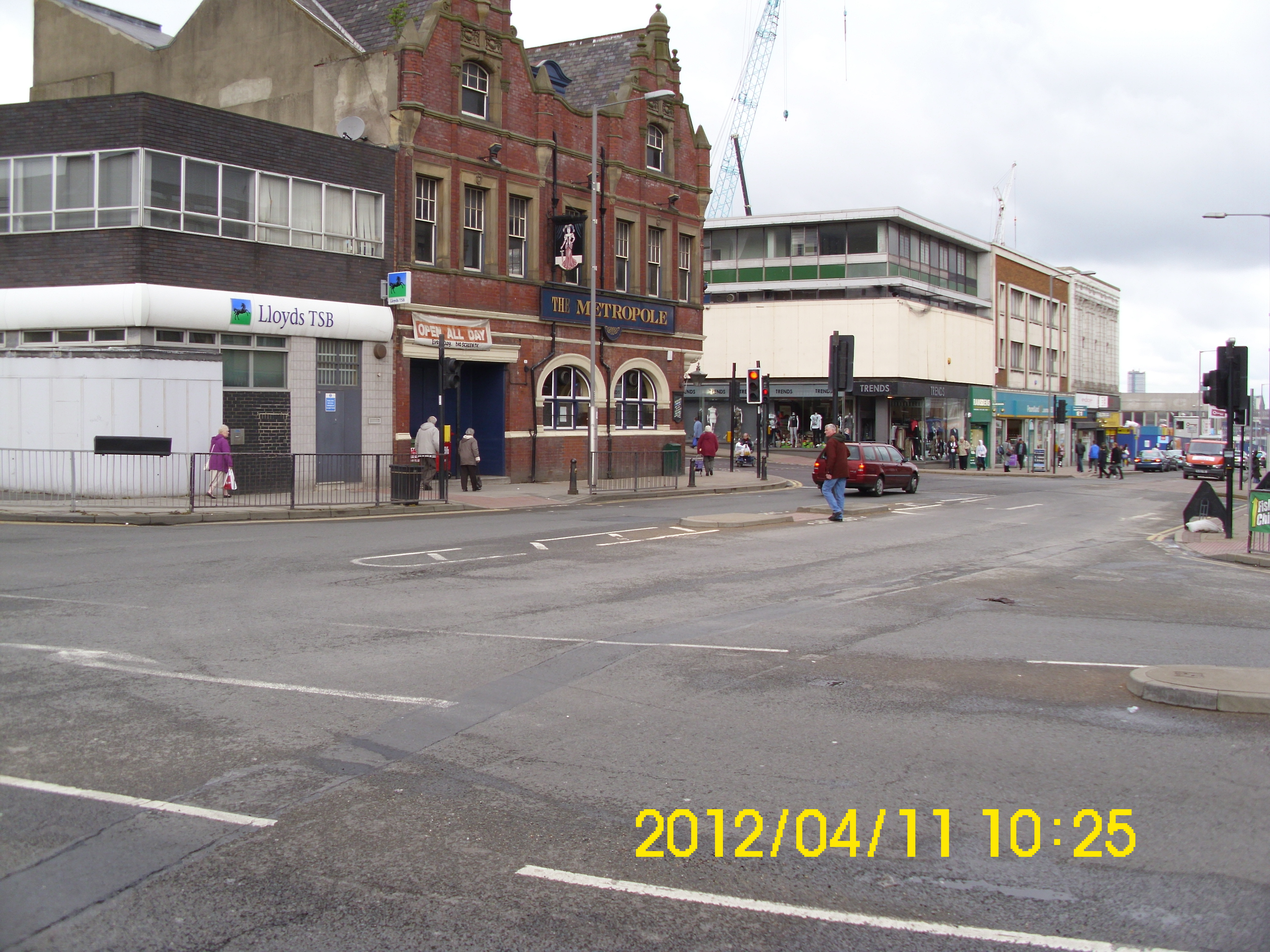
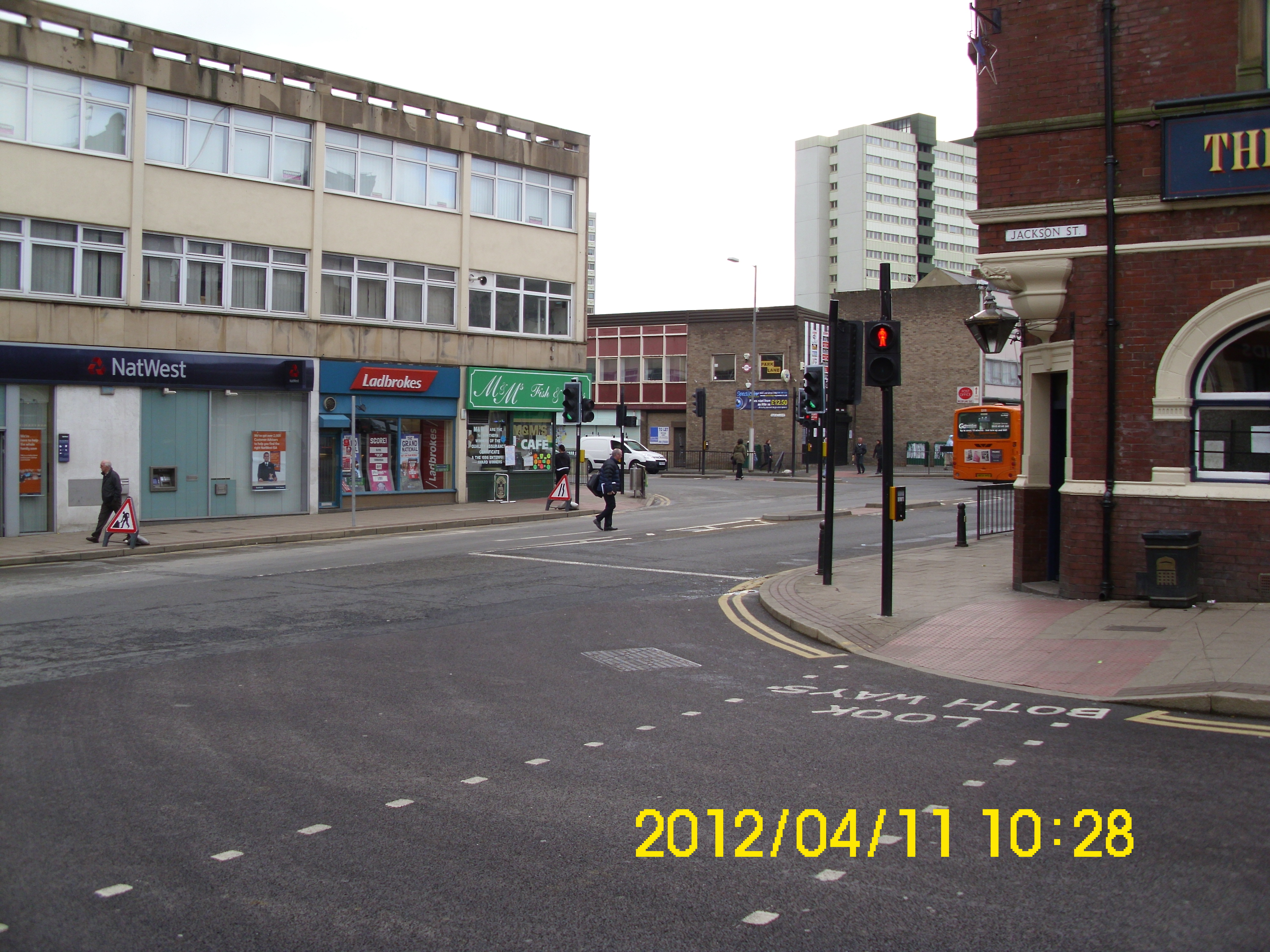
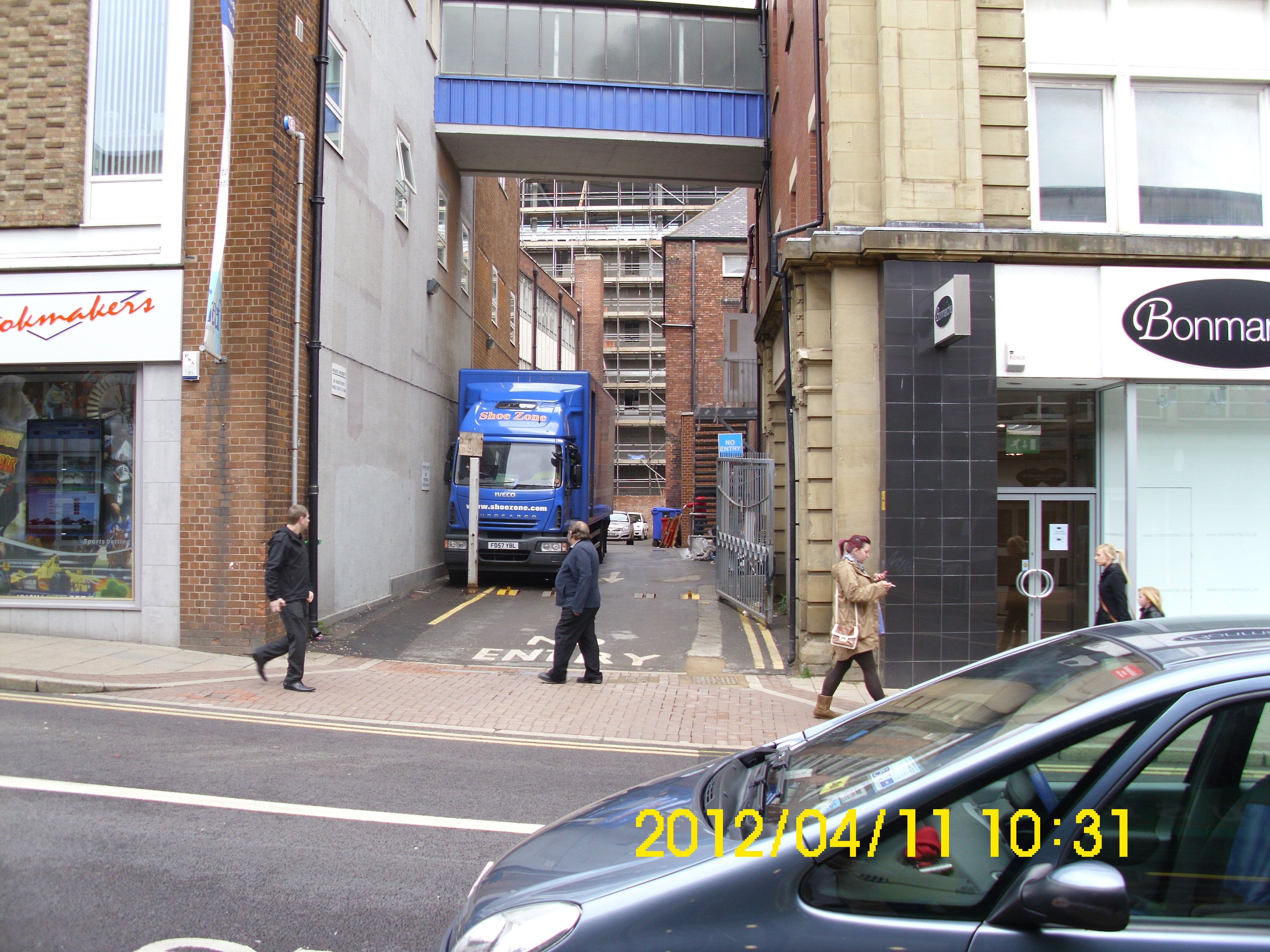
View of bottom of Jackson St, with Metropole still surviving.
This is now main thoroughfare east-west through Gateshead. Boilermakers club at top on right is gone though. (I saw Bobby Thompson – ‘the litte waster’ there – cracking!)
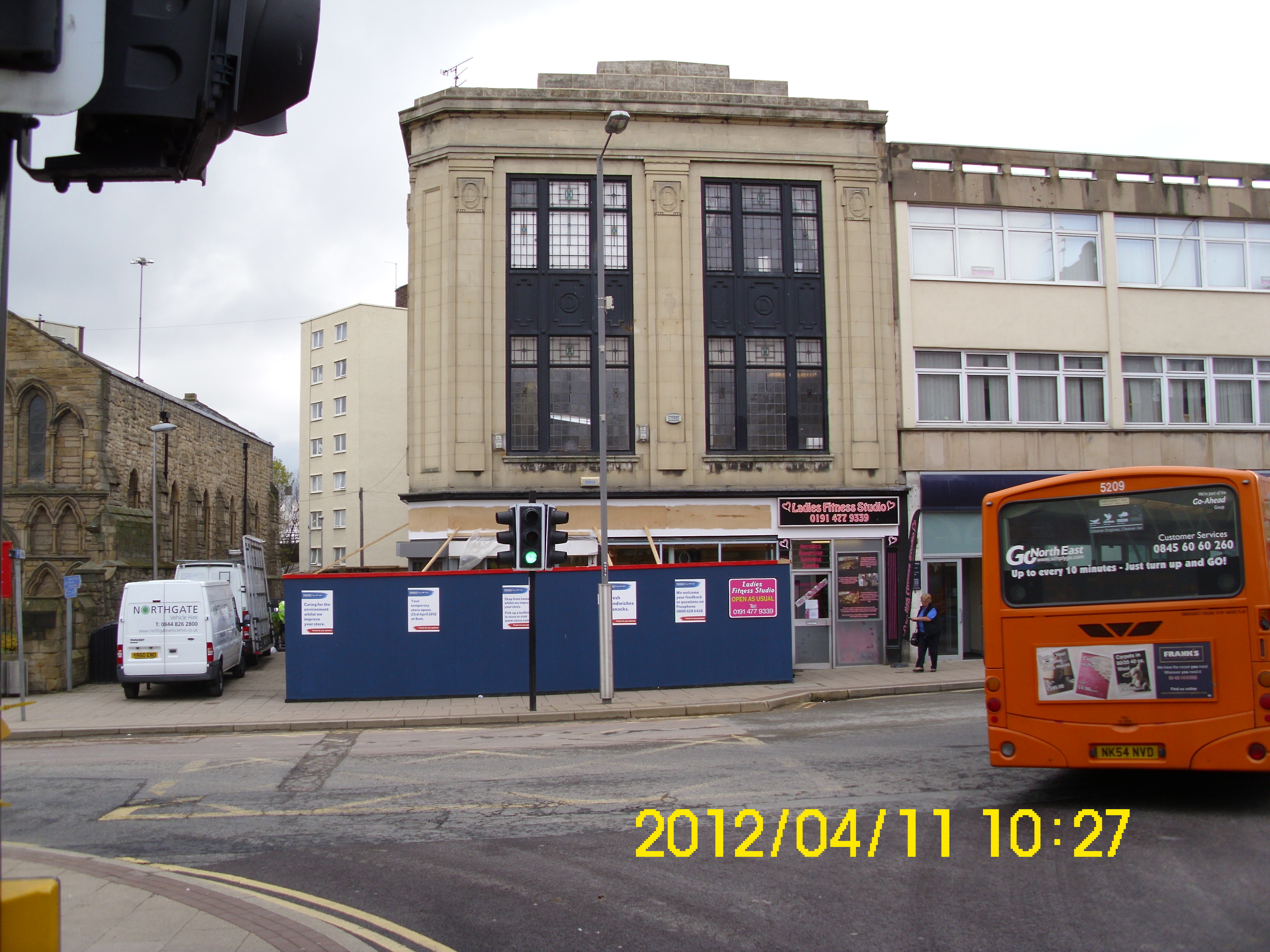
View west up Jackson St.
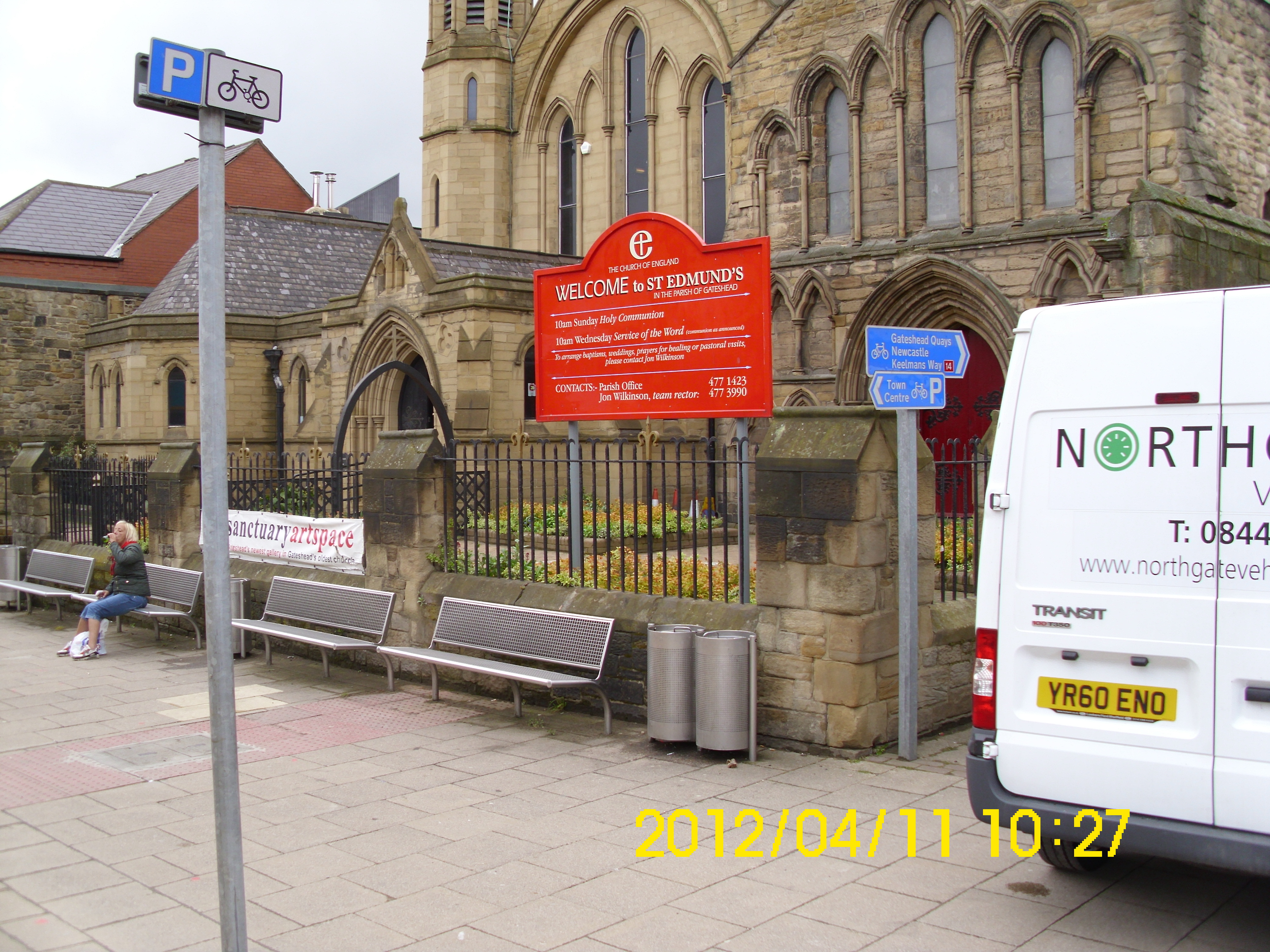
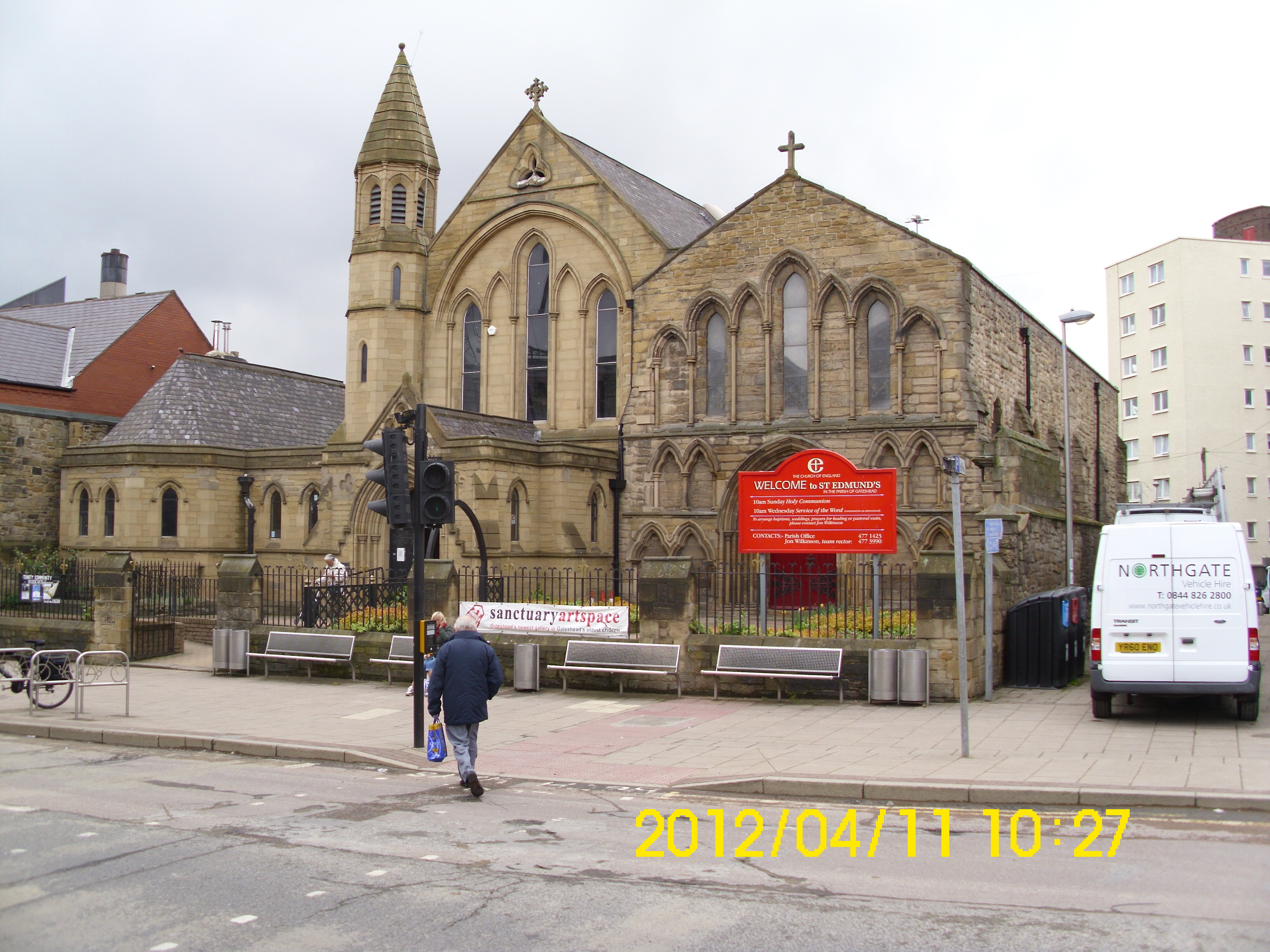
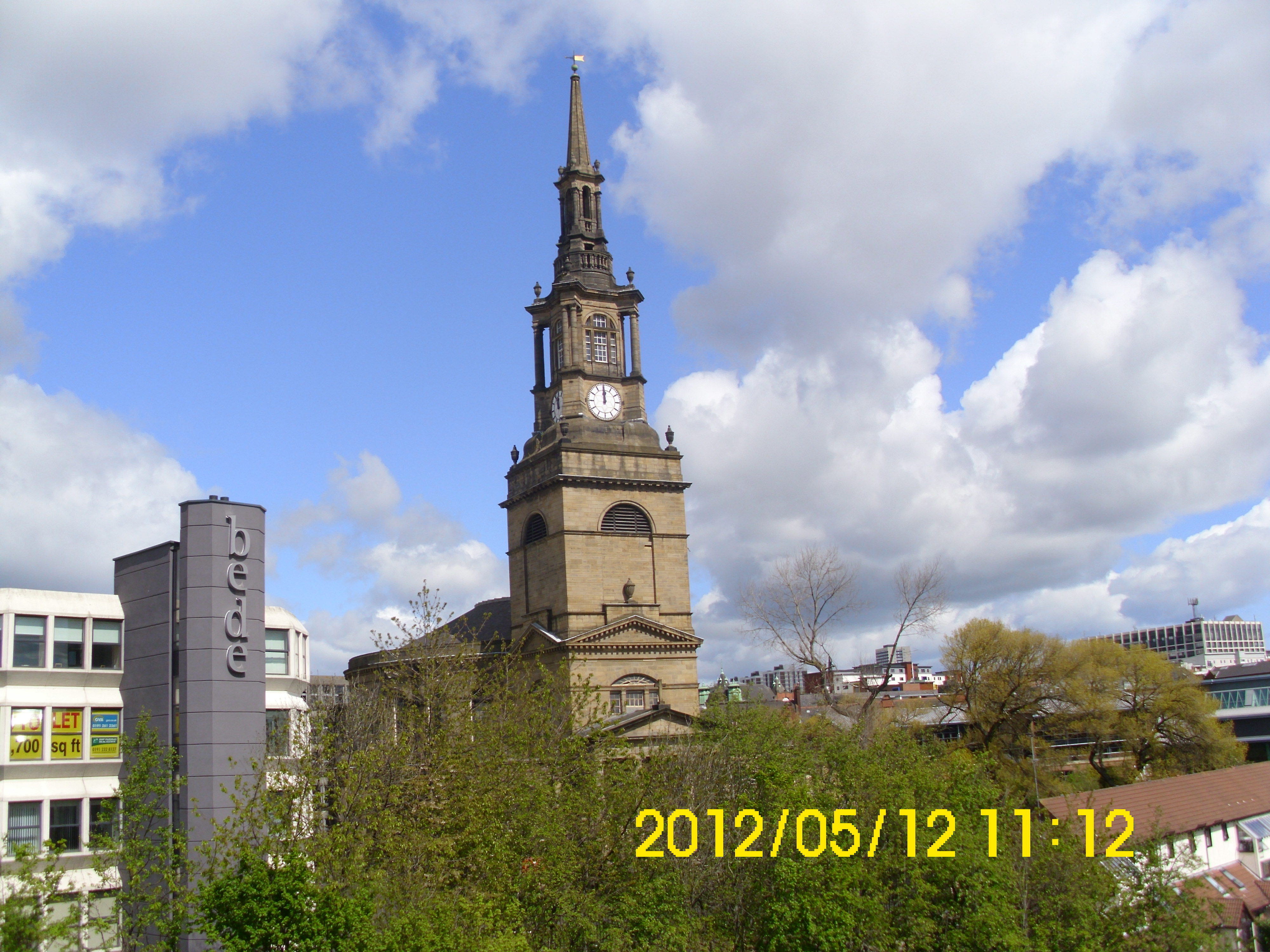
Apparently, the old Holy Trinity church is actually called St Edmunds??
Oldest section clearly visible here.
Doggarts – your old mate Patricia Donnelly’s place of work a long time ago..
View across to M & M – I had Fish, Chips and Mushy peas here this morning.(sit down in cramped cafe) Fish was beautiful.
View west up Jackson St.
The demise of the Co-op is complete. None of these historic buildings are now occupied by the Co-op.
Ditto.
Ditto.
View east down Jackson St.
New construction of Trinity Square can clearly be seen here.
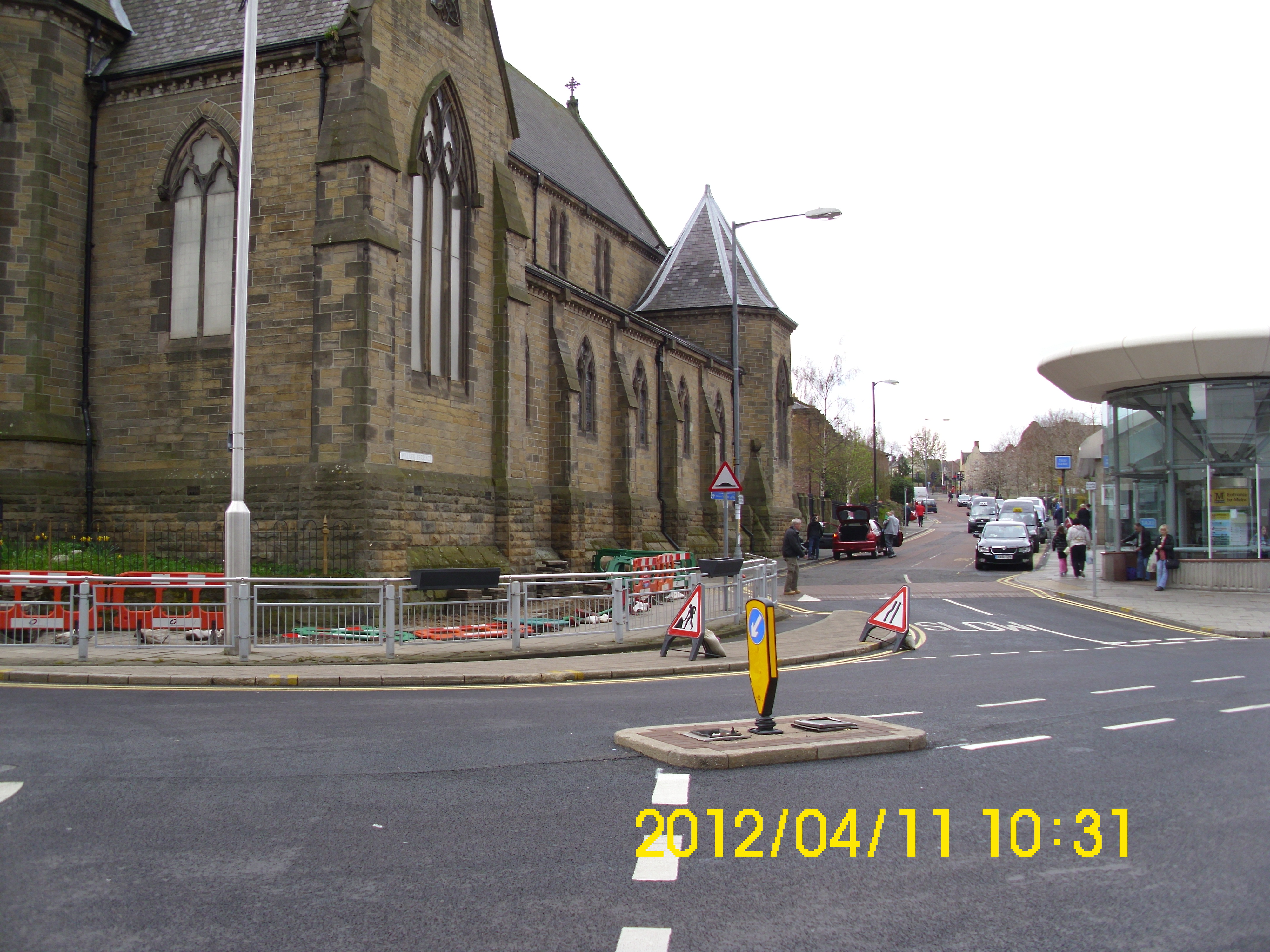
Corner of St.Joseph’s Church.
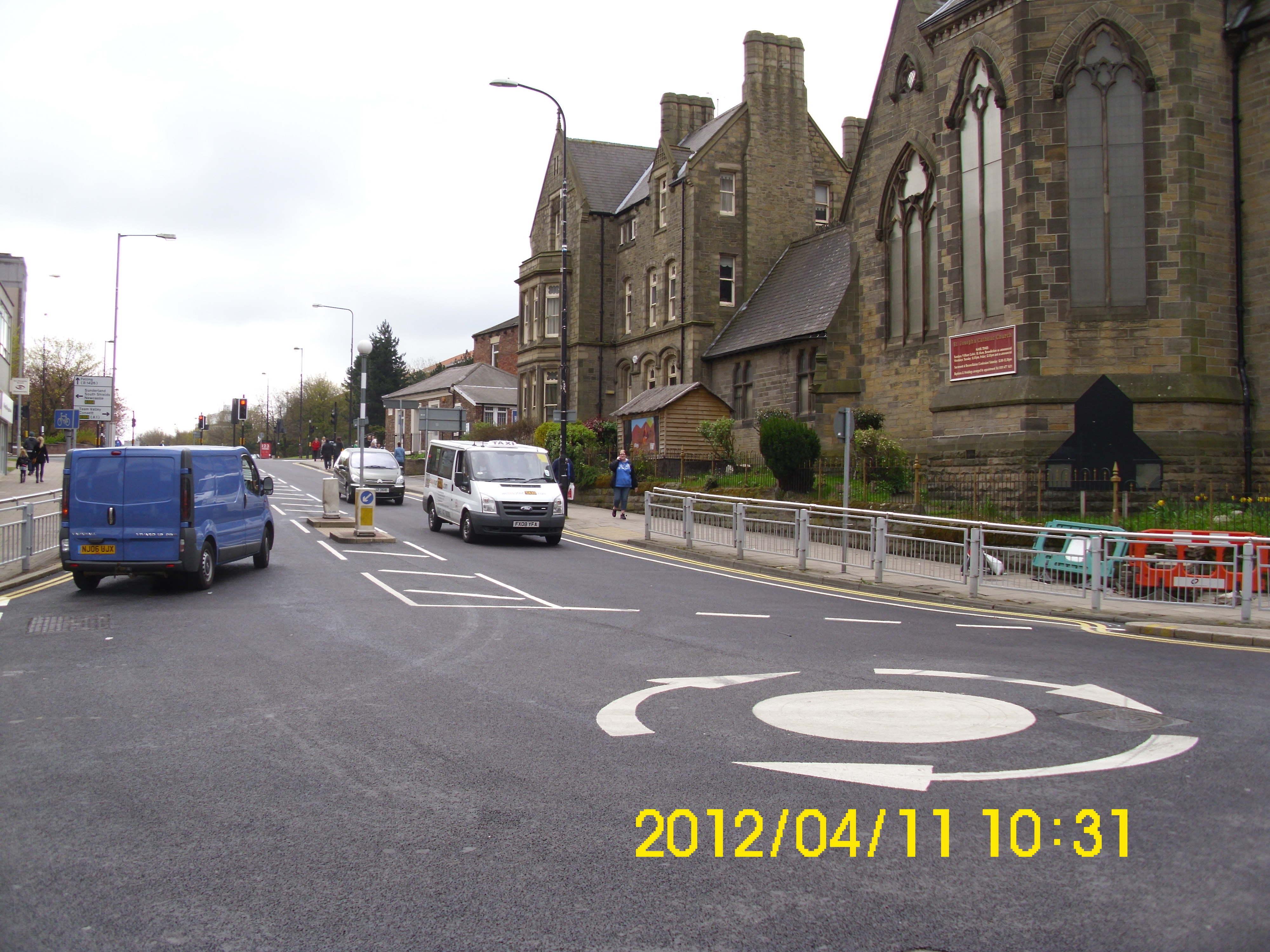
View of Church and High West St.
Church and Metro Interchange.
Metro Interchange
Ditto and looking south down towards Newcastle.
Ditto.
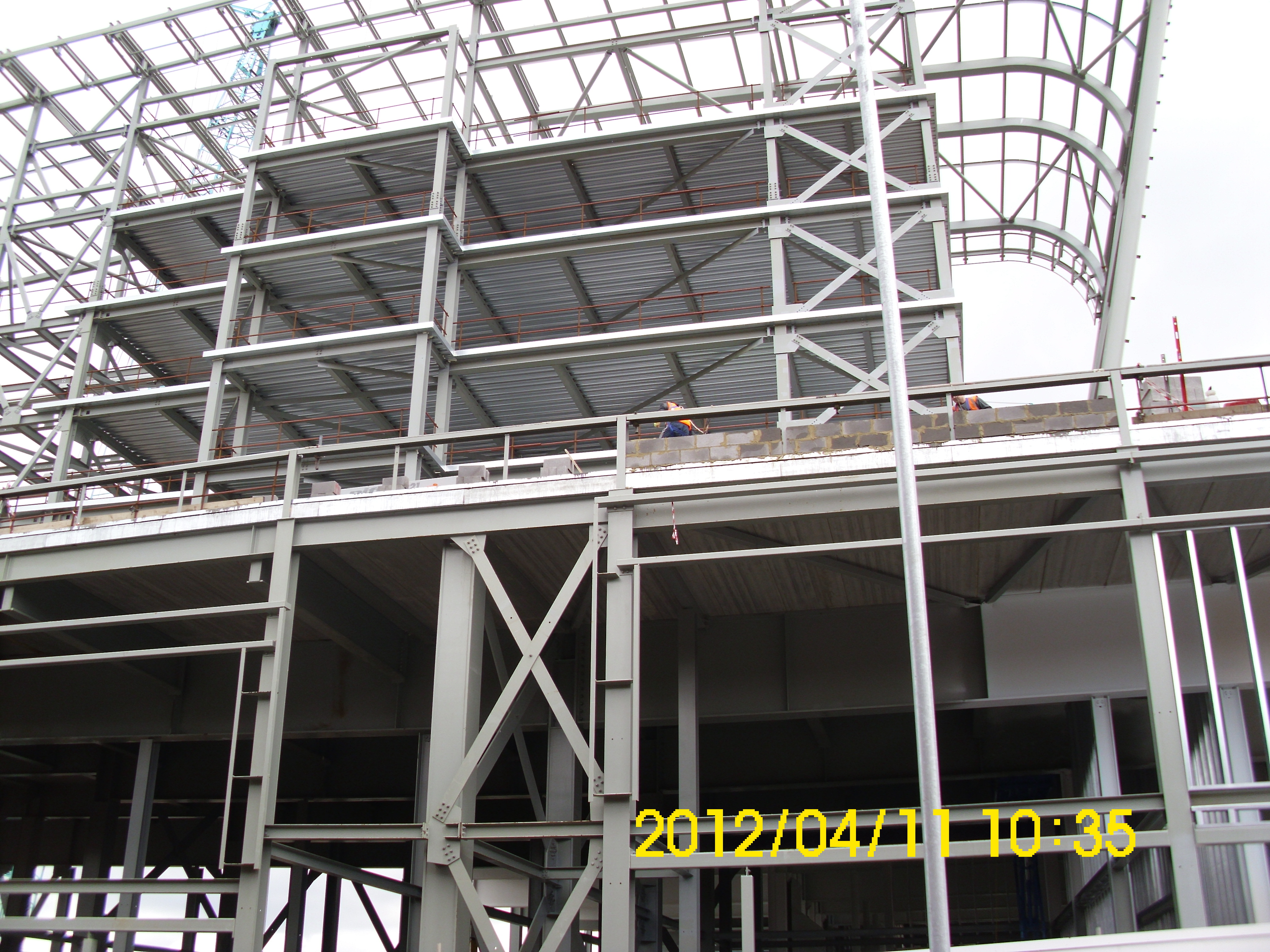
Across the road now, and looking at new construction on site of ‘Get Carter’ film.
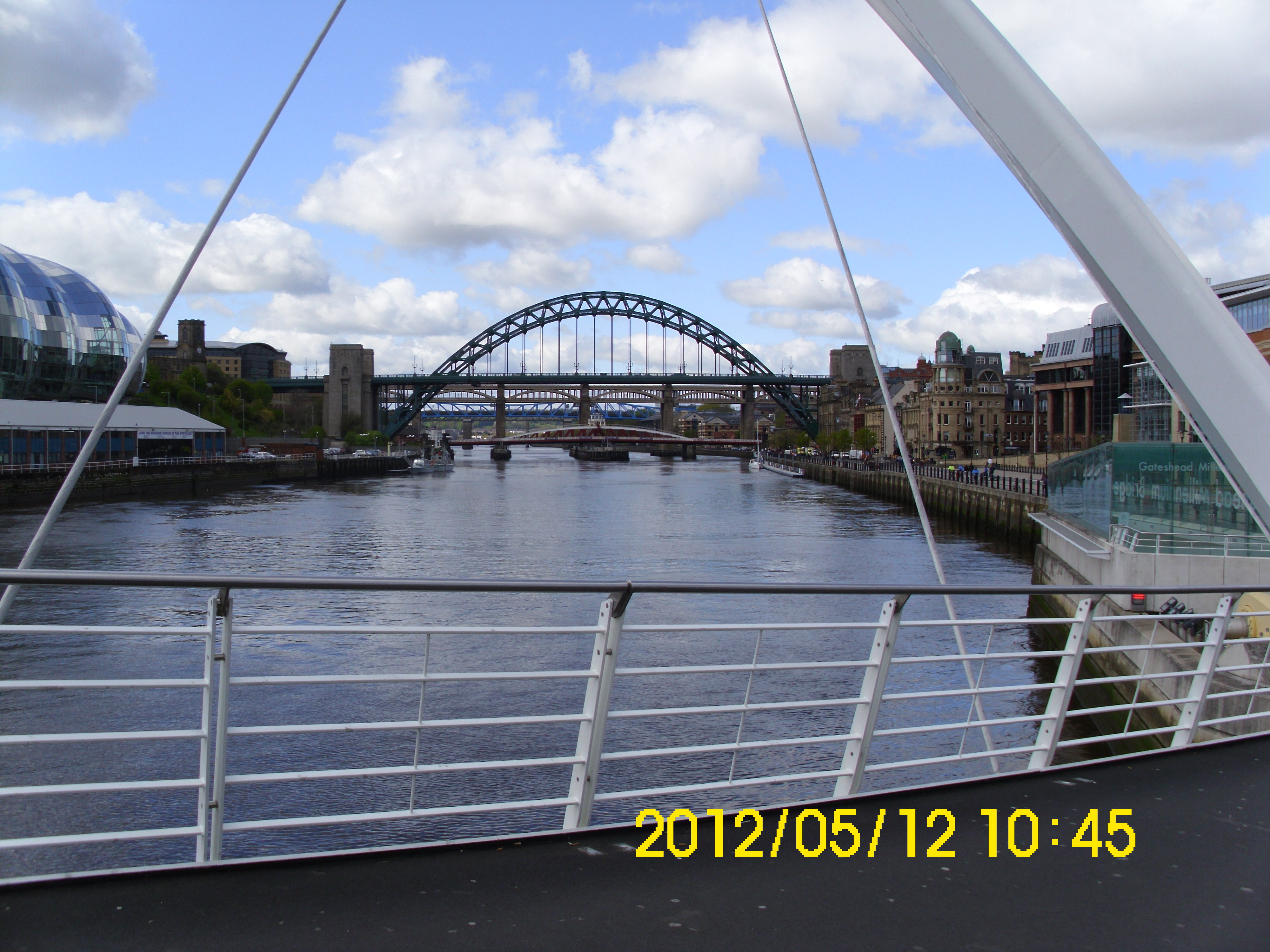
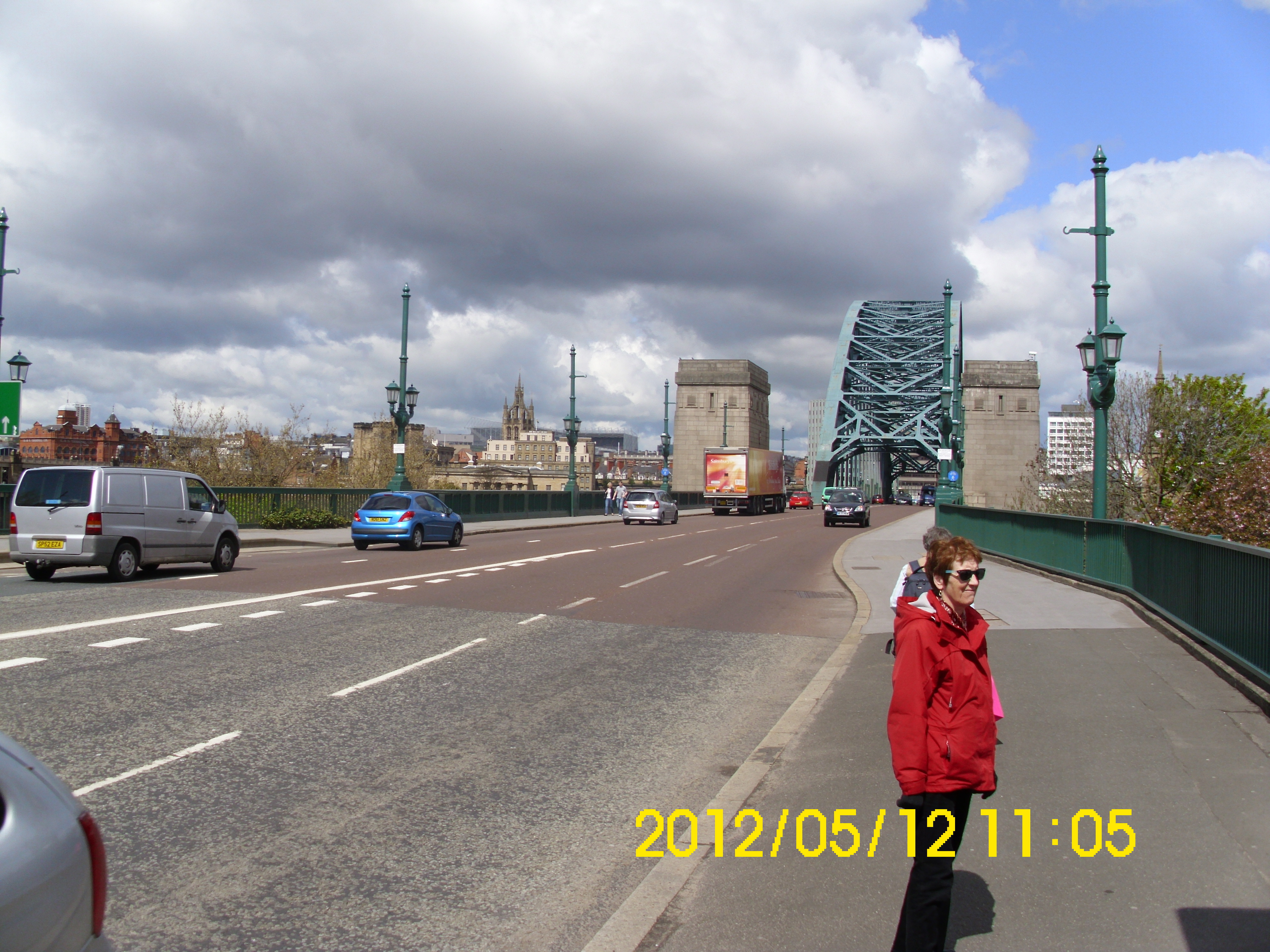
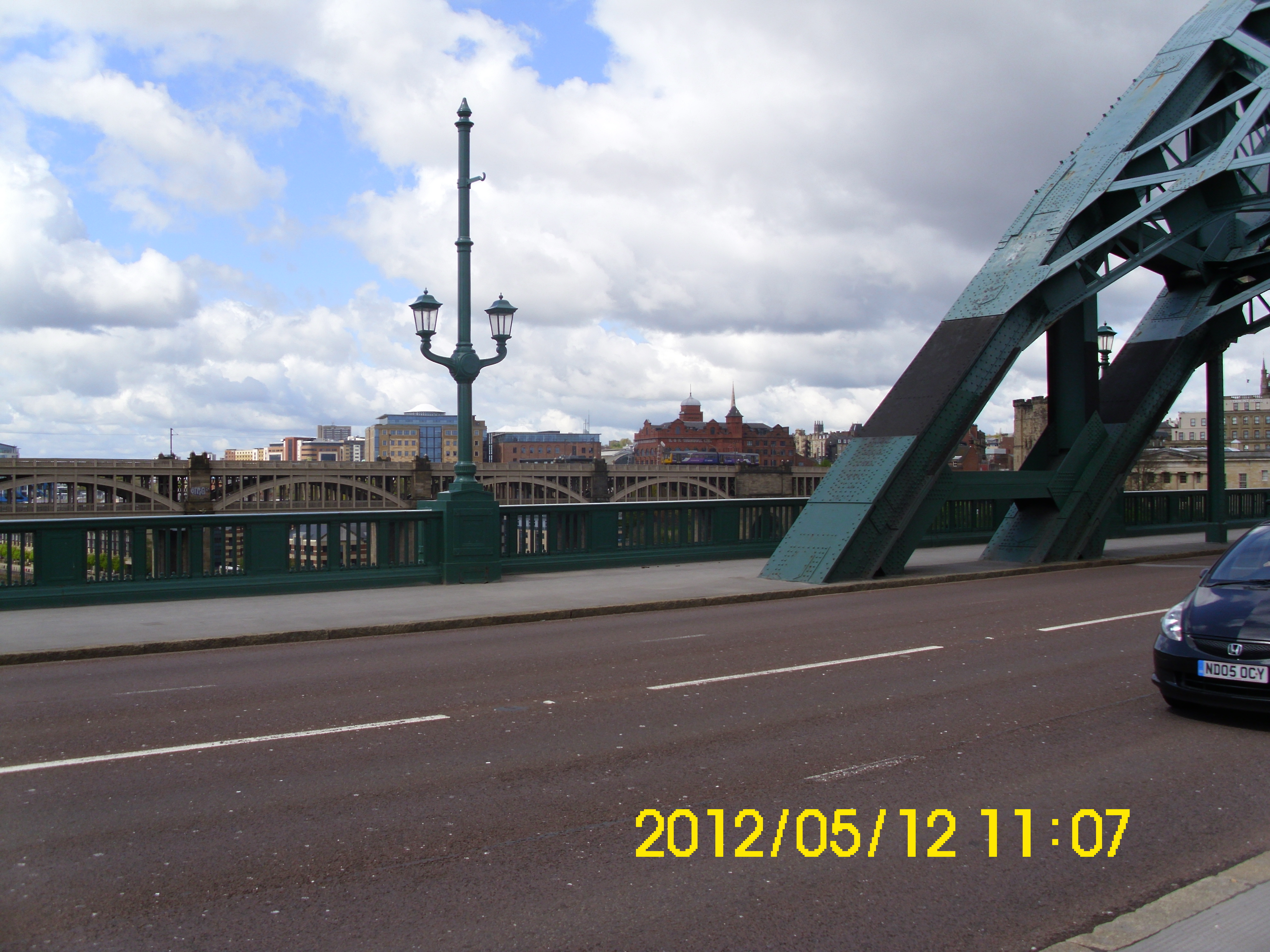
Straight down West St., good view of Tyne Bridge.
Is this going to be another ‘White Eliphant’ I wonder?
It’s certainly big enough.
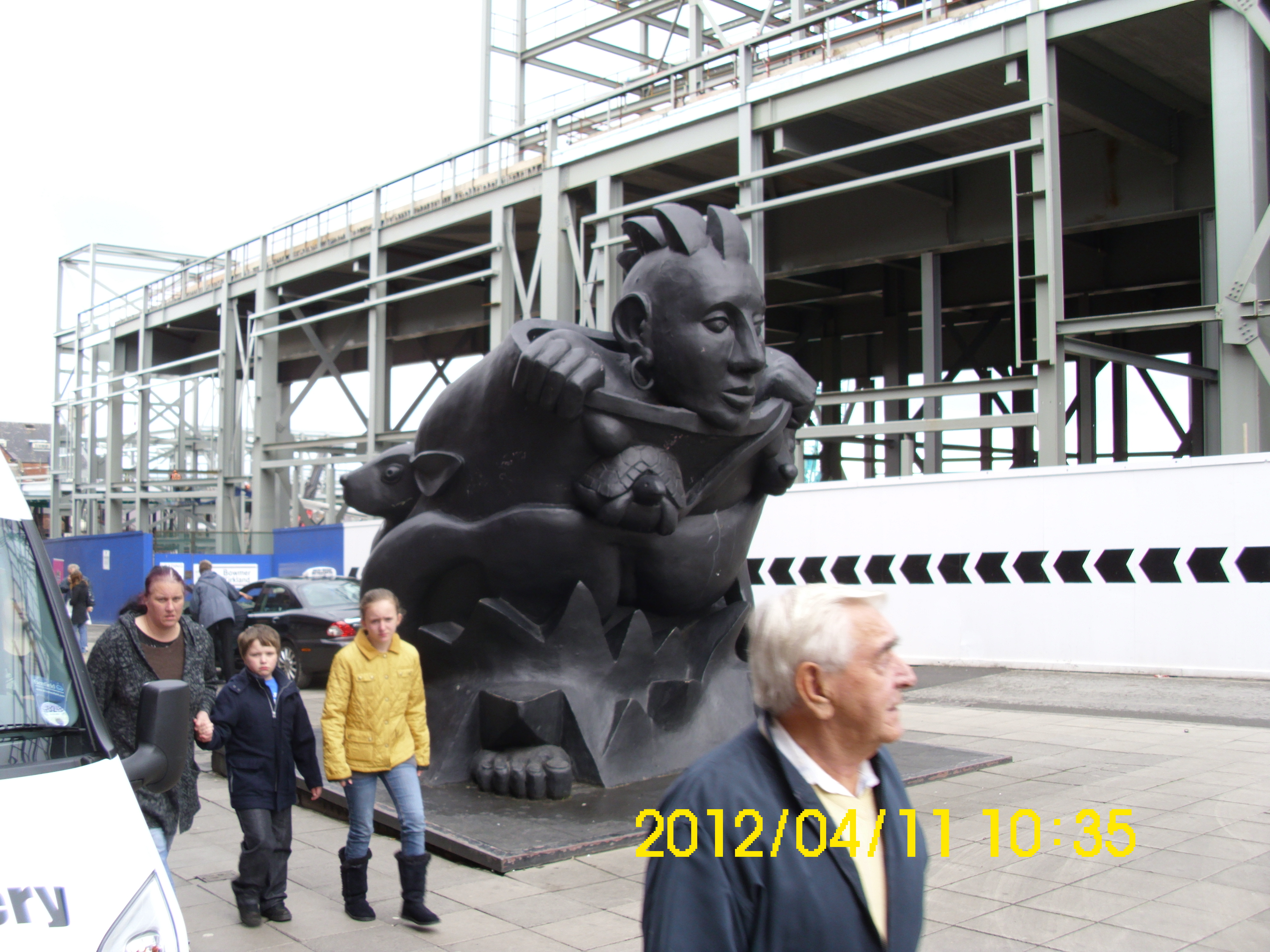
Wow!
Who left that there?
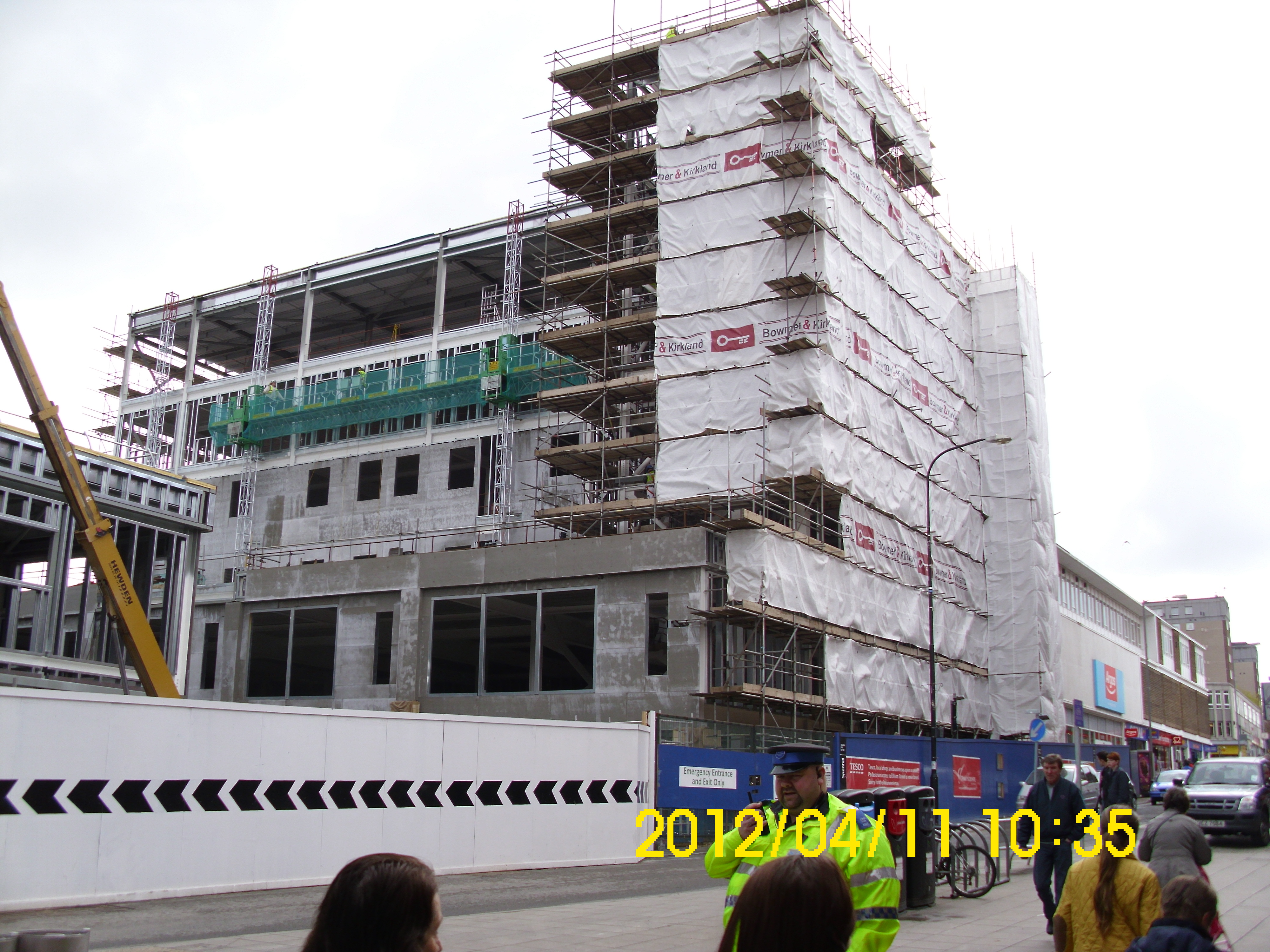
See how new building abuts 60’s Coo-op building.
Ditto
One of the large cranes on the site.
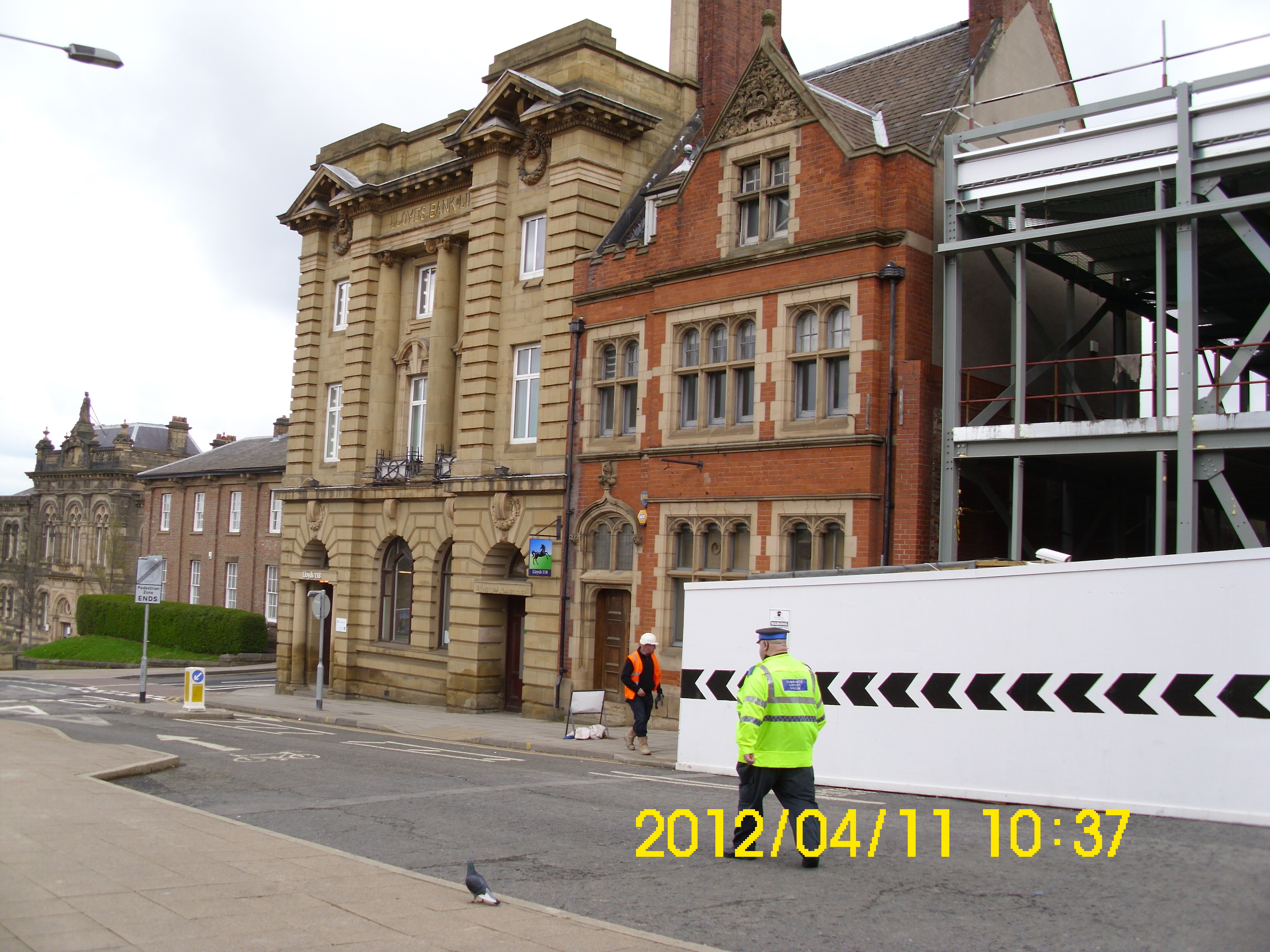
This man is determined to get into all my pics. Old Post Office and Lloyds buildings still there.
Panoramic view of bottom of West St.
Now slighly west.
More west. Bit of Last block of Barn’s Close flats clearly visible.
Last Block.
Back view of old Town Hall. (and cop station)
View back along showing old Rent Office.
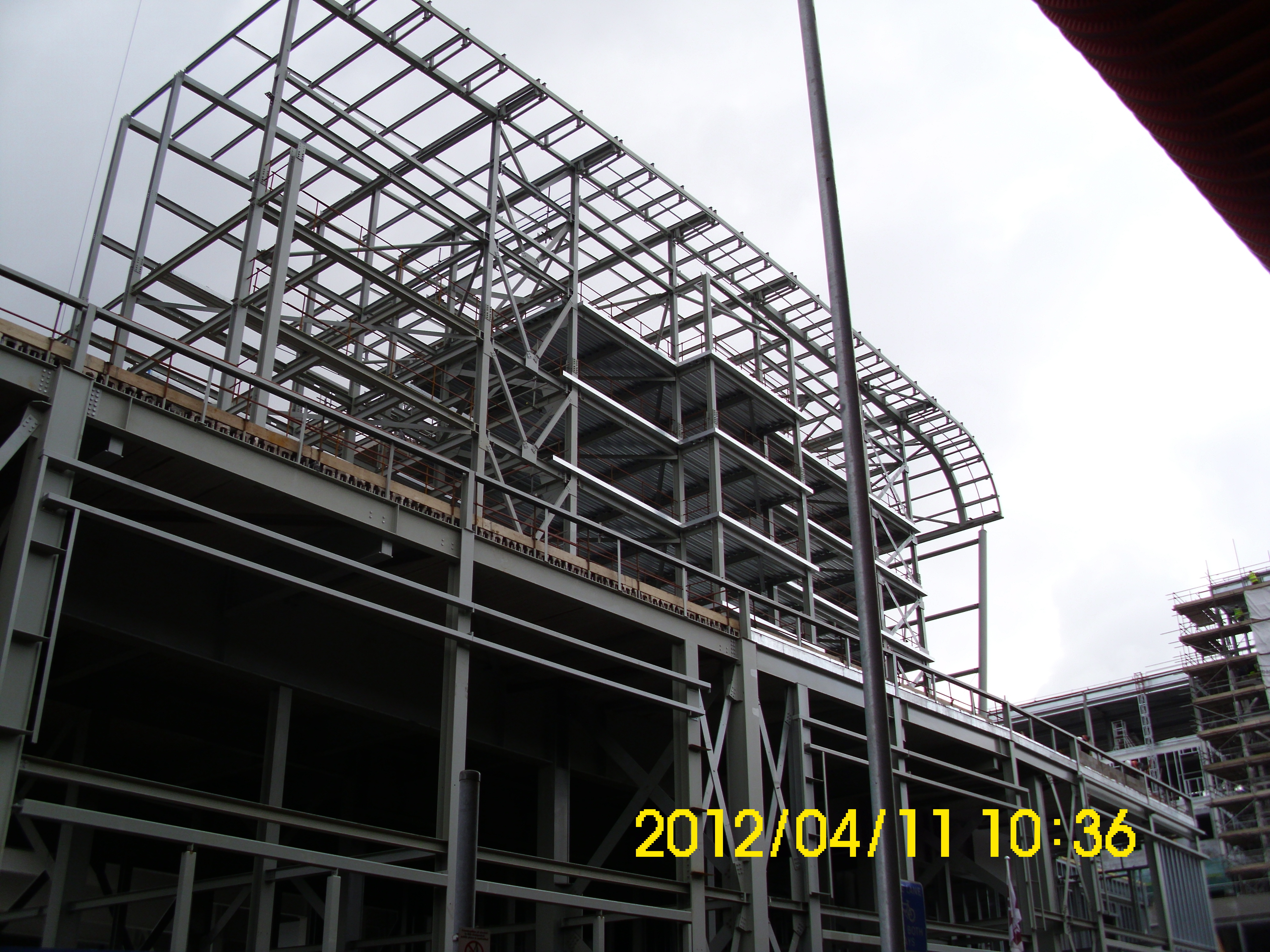
View south of new construction
View SW of new construction.
Another view south.
Ditto.
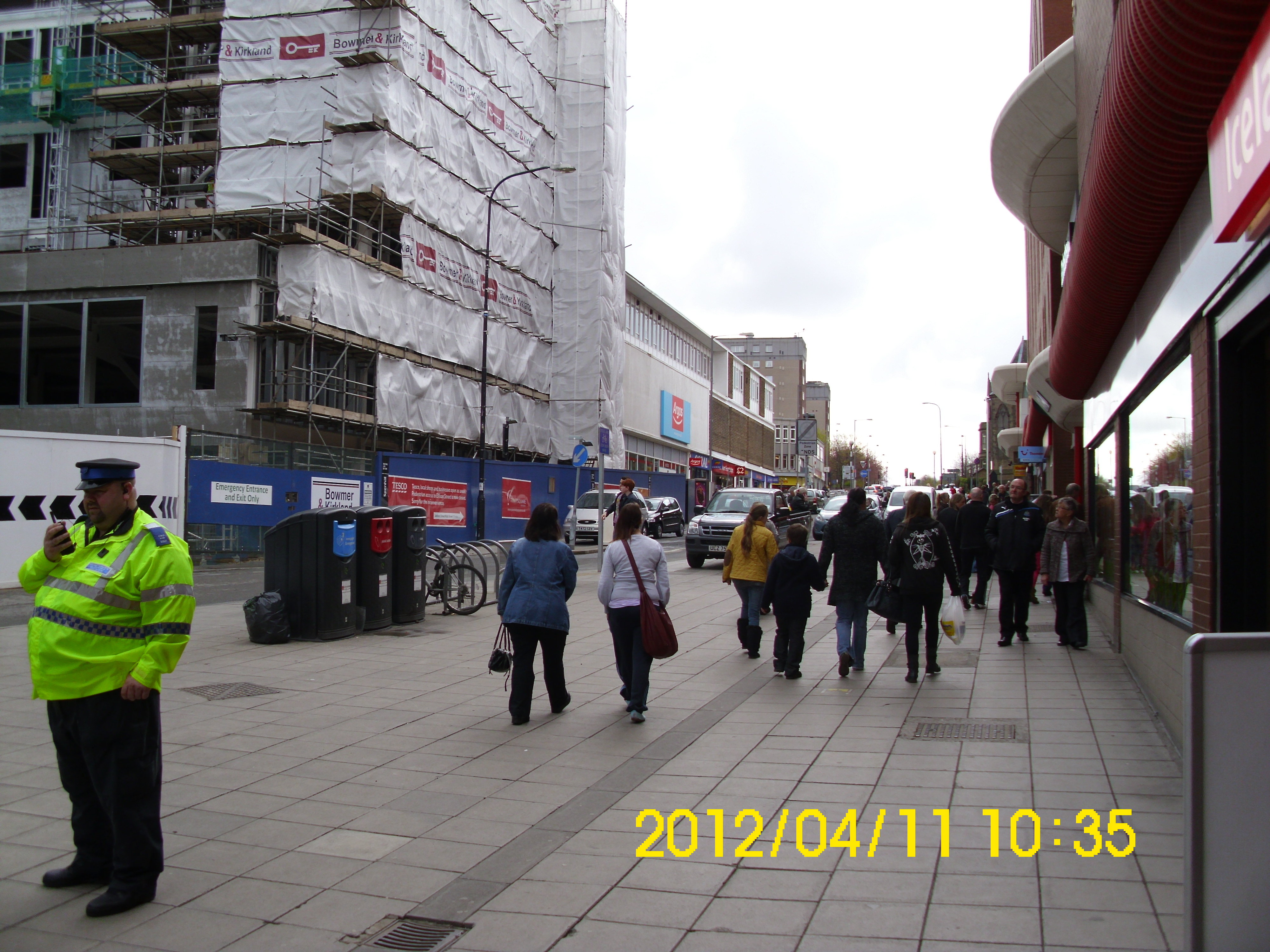
Back view of Tesco’s on site at junction of Ellison St., and High St
View east to High St., from all that is accessible of Ellison St.
View west along Ellison St from same position as above.
God, it’s so dreary. I was almost pleased the batteries in my camera gave up at this point.
Printable version of annotated map.
Annotated Map.
An interesting article on the state of affairs during my early life in Gateshead.
20th Century Gateshead
A short film of activities, together with Jimmy Nail singing ‘Big River’. Watch on YouTube Big River
 joesportugal