‘Acidentes’ e Incidentes.
Porquê a referência acentuada aos acidentes? Porque, como sabemos pelos velhos e sábios pais que nos ensinaram, e pelos seus pais, e pelos pais antes deles – “os acidentes quase nunca acontecem”.
Existe geralmente alguém, ou mais provavelmente o comportamento separado, mas combinado, de alguém e de outros, que, à primeira vista, não são partes no “acidente”, todos “contribuem” para o “acidente”.
Fale com um polícia de trânsito – não há “acidentes” de trânsito, certamente não no Reino Unido, alguém, talvez mais, desempenhou um papel no incidente. Assim sendo, o que antes era a abreviatura ‘RTA’, agora RTI – Incidente de Trânsito Rodoviário. E acredito com razão.
A lógica “difusa” pode ser aplicada, perante uma medida de responsabilidade a todos os envolvidos, quer estejam presentes ou não.
Dê uma vista de olhos nesta fotografia. o que acha?
[English]
‘Accidents’ and Incidents.
Why the accented reference to accidents? Because as we know from the wise old parents that taught us, and from their parents, and parents before them – ‘accidents hardly ever happen’.
There is usually someone, or more likely the separate, but combined behavior of someone and others, who, at first glance are not party to the ‘accident’, all ‘contribute’ to the ‘accident’.
Talk to a traffic cop – there are no road traffic ‘accidents’, certainly not in the UK, someone, maybe more, have played a role in the incident. Therefore, what used to be the shorthand ‘RTA’, is now an RTI – Road Traffic Incident. And I believe rightly so.
‘Fuzzy’ logic can be applied, given a measure of responsibilty to all concerned, whether they be present or not.
Take a look at this photograph. what do you think?
Click on photo to enlarge it.
Clique na foto para a ampliar.
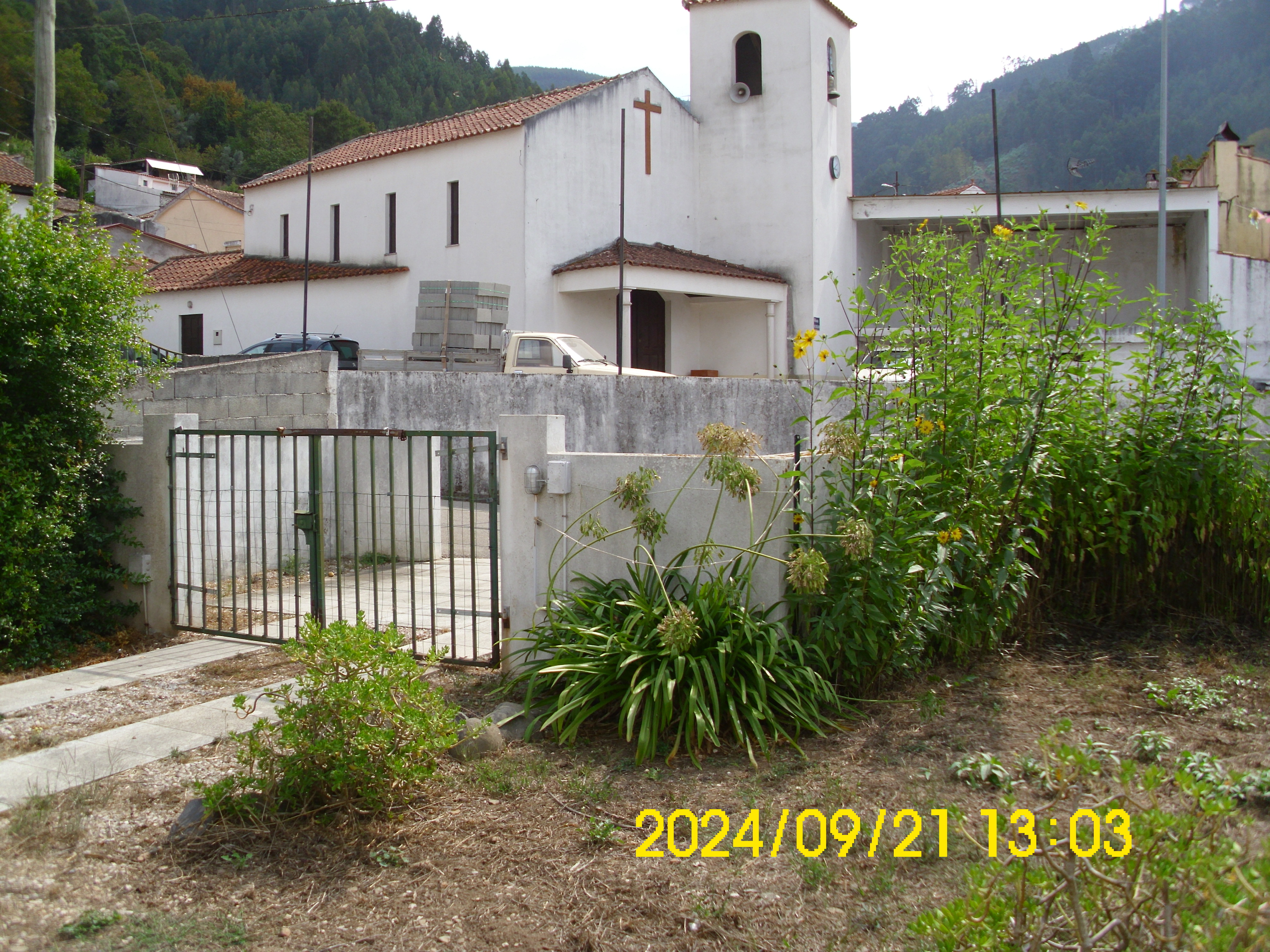
Eu tenho um cenário para ti. Um idoso está a falar com um amigo por cima de uma vedação. A conversa termina e o tipo volta para a estrada, mesmo no caminho de um camião carregado, não muito diferente do acima. O condutor pisa forte no travão e para o veículo antes de atingir o idoso.
A energia cinética armazenada na pilha mal protegida de blocos empilhados demasiado alto atrás dele faz com que a pega fraca, aplicada incorretamente, se rompa e os blocos sejam catapultados para a frente, atingindo o senhor idoso. Morre mais tarde no hospital.
Há algum tempo, um familiar meu próximo veio passar uma curta estadia. Testemunhou mais do que um incidente com o exemplo do comportamento do “velho cavalheiro” e, pior, de pessoas muito mais jovens, a fazerem exatamente a mesma coisa. Ele observou que isto cheirava a “solipsismo”. [procure!]
Uma perspectiva interessante, pensei.
Tenho aqui as minhas próprias opiniões sobre quem é o culpado, e também o “grau” da sua respectiva culpabilidade.
Diga-me o que pensa.
Esteja ciente de que existe a tentação de sugerir que a “teoria da probabilidade” poderia ser utilizada para distribuir graus de culpa. Isto seria errado, pois na verdade todos os “acidentes” têm “cenários” diferentes.
Lógica difusa(Wikipedia)
[English]
I have a scenario for you. An elderly guy is talking over a fence to a friend. Their conversation ends, and the guy steps back onto the road, right into the path of a loaded truck, not unlike that above. The driver steps hard on his brake, and brings his vehicle to a stop before hitting the elderly gentleman.
Kinetic energy stored in the badly-secured stack of blocks piled too high behind him, result in the feeble strap, incorrectly applied, snapping, and blocks catapulting forward, hitting the elderly gent. He dies later in hospital.
Some considerable time ago, a close relative of mine came for a short stay. He witnessed more than one incident of the example of the ‘old’ gent’s behaviour, and worse, by folks much younger, doing exactly the same thing. He had remarked that it smacked of ‘solipsism’. [look it up!]
An interesting perspective, I thought.
I have my own opinions about who is being culpable here, and also the ‘degree’ of their respective culpability.
Tell me what you think.
Be aware that there is a temptation to imply that ‘probability theory’ could be used to apportion degrees of guilt. This would be wrong, as in fact all ‘accidents’ have different ‘scenarios’.
Fuzzy Logic (Wikipedia)
 joesportugal