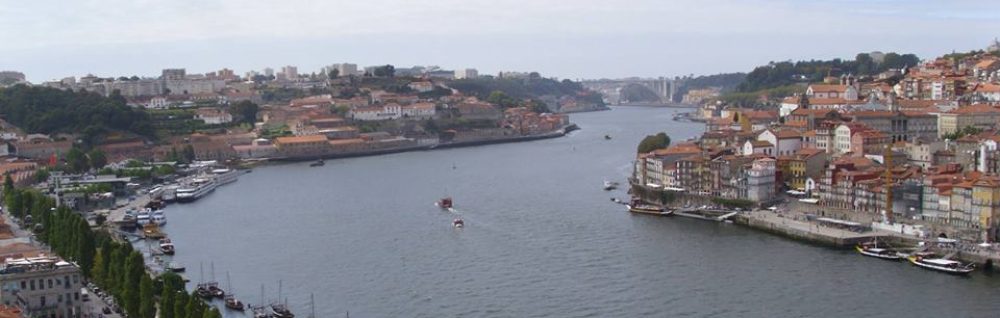
Senhora de Alegria
Only one way there, same way back, but well worth a visit. If you are hungry, even better, the restaurant grub is superb (See note at end).
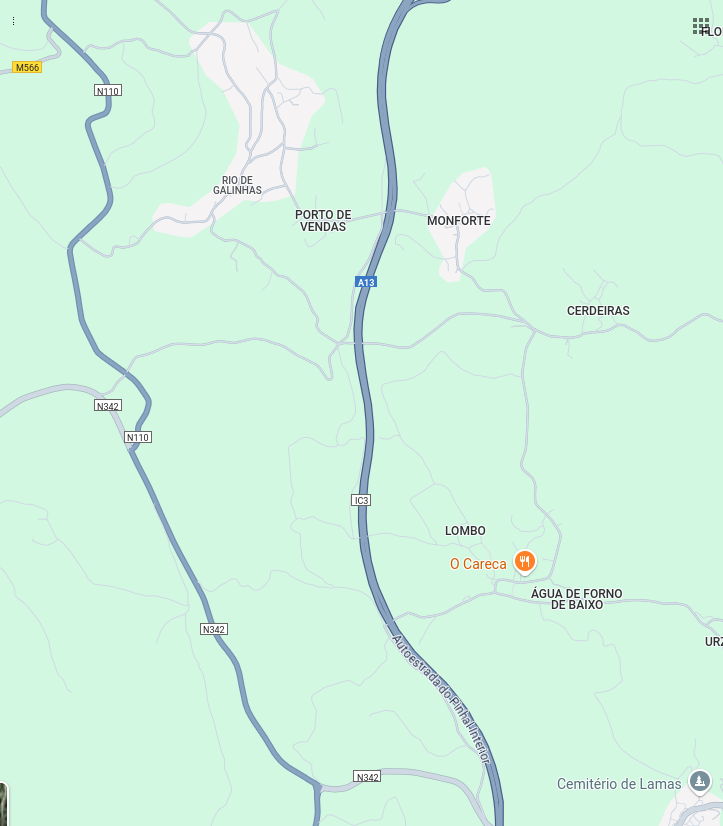
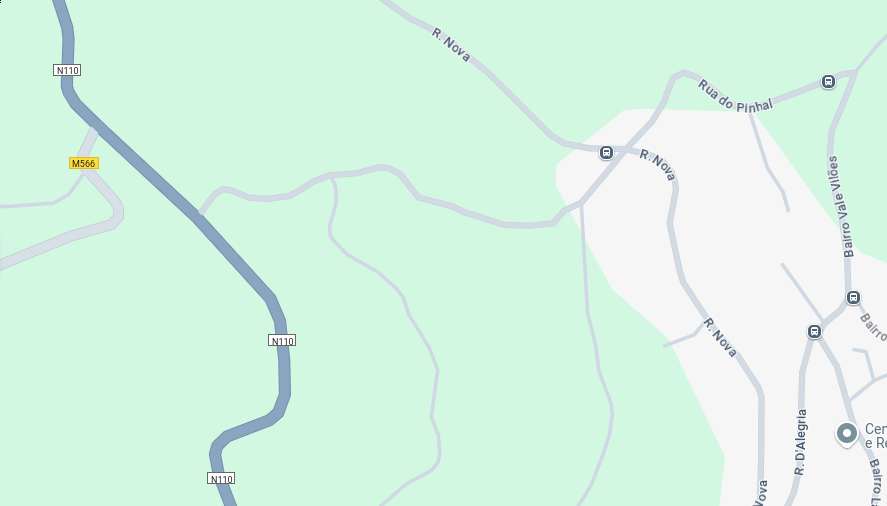
I’ve appended my map photos of my route from just west of Miranda-do-Corvo to the northern section of Rio De Galinhas (Chicken River, but no river in sight and no chickens. I consulted a local, who grinned and said ‘Not in my lifetime, there hasn’t been.’ I suspect he has been asked the same question by ‘outsiders’ before.)
Plus further photos of maps with more detail. [Maps taken from Google Maps]
Maps appended at end of blurb.
A quite verbose description given here, translated using Google Translate by me from website:
https://acercadecoimbra.blogs.sapo.pt/coimbra-senhora-da-alegria-de-145238
Few authors refer to it, with the exception of Fr. Luiz Cardoso in his Geographical Dictionary of 1747. And yet, its antiquity is undeniable. It is located at the top of a ridge, from where you can see and feel an infinity of villages around, surrounded by the tributary stream of the Dueça and now by highway 13. traveled on foot by devout pilgrims.
The hill has the suggestive name of Crasto or Castro, taking us back to times of a remote past, with prehistoric dwellings or defense fortifications at the time of the Christian reconquest, as happened in this region of Bera, namely in the neighboring Torre de Bera. . In front of you is the village of Almalaguês, about a kilometer away. Here you can still hear the beat of one or another loom, but this activity that was once important and made Almalaguês the largest center for handcrafted weaving in Europe is now in decline. Had there been a city council in Coimbra aware of the cultural values of its territory, it would have conveniently protected the Almalaguês weaving mill and what remains of the Bera tower.
In the absence of written sources, it is the chapel itself that will dictate its history. The building is modest, with a single nave, of considerable size for a chapel, chancel and sacristy attached to the north. In the middle of the nave there is a cylindrical pulpit over a Doric column, carved in limestone, with fluting and two friezes with winged heads of angels. There is an inscription that reads that the chapel was built in 1634 by the parish priest Teodósio Abreu. A portal from the 18th century opens on the façade, attesting to another intervention. It has a certain nobility in its austerity: a door surmounted by a triangular pediment and decorated with side earrings, in the tradition of the time of King João V, creased corners of stonework and a discreet little bell.
At the top of the nave are two side altars in popular and late neoclassicism. The cross arch, made of stonework, opens onto the chancel where the altarpiece with the image of the holder stands out. It has two spiral columns per band, covered by foliage, bunches of grapes and birds pecking the berries. The finish is a composition of different elements crowned by a medallion with the initials AM. It’s a pity that all this is repainted in white and glitter, with only some old polychrome left in certain angel heads.
The ceiling of the chancel was covered by a wooden cladding with twenty coffers, of which there is currently only a small part surrounding the altarpiece. The coffers, from the 18th century renovation, displayed paintings and couplets of allegories to piety, meekness, prudence, justice, fortitude, temperance, charity, humility and purity. Those that remain, placed around the altarpiece, illustrate some litanies of the Virgin Mary.
The walls of the chancel are lined with a charming panel of cut tiles from the second half of the 18th century, from the Coimbra workshop in Salvador de Sousa e Carvalho. The scenes represented are: the Adoration of the Magi, Adoration of the Shepherds, and Nossa Senhora da Conceição; Birth of the Virgin, Annunciation and Visitation.
The Senhora da Alegria, as well as a mutilated saint, from the 15th century, in a collateral altarpiece, attest to the antiquity of this sacred place. The image of the Lady, made of wood, dates from a difficult time to define, perhaps the 14th or even 13th century. Only a scientific examination can help. She supports the Child on her left forearm and with her right hand makes a gesture of blessing. It presents a slight curvature to the right, which may have been a use of the trunk in which it was carved.
Another reason of interest in this sanctuary are the ex-votos, from the 18th and 19th centuries.
The hermit that Luiz Cardoso tells us about no longer lives here, but Senhora da Alegria continues to receive devotees, on her feast days, which is Easter Monday, and always, as we have witnessed. It remains the same spiritual charm that so attracted the people of past centuries.
Nelson Correia Borges
In: Correio de Coimbra, no. 4718, of 12.06.2018
Maps (Click on any photo to see an enlarged view)

Segue-se um percurso alternativo, a partir da A13.
The following shows an alternative route, from the A13.
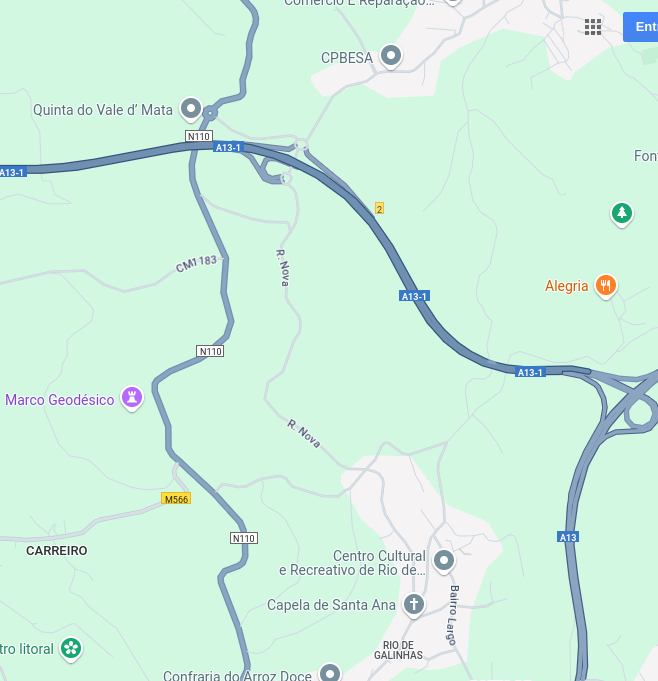
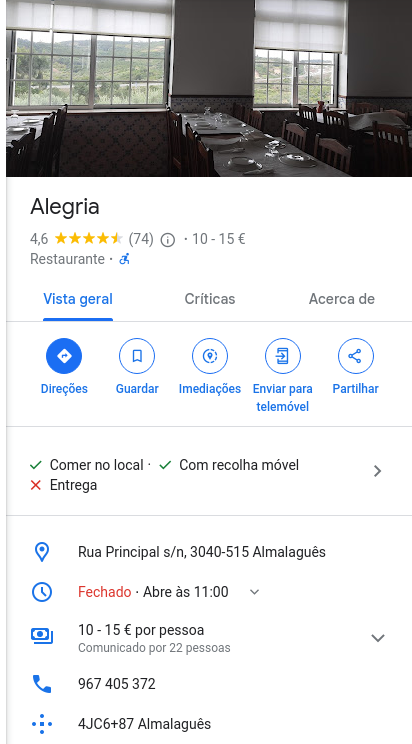
Se quiser comer, faça reserva. Ir por um “capricho”, sobretudo ao início da hora de almoço, é decididamente “duvidosa”.
If you wish to eat, make a reservation. Going on a ‘whim’, especially early at lunchtime is decidedly ‘dodgy’.
Comments. Should you wish to comment, please do so, and simply ignore’ the ‘Block’ bullshit.
Please see what I think about WordPress’s idea of what a ‘comment is here: What is a comment?
 joesportugal